Adaptive Architecture Now Shapes Dynamic Environments


The Dawn of Living Buildings
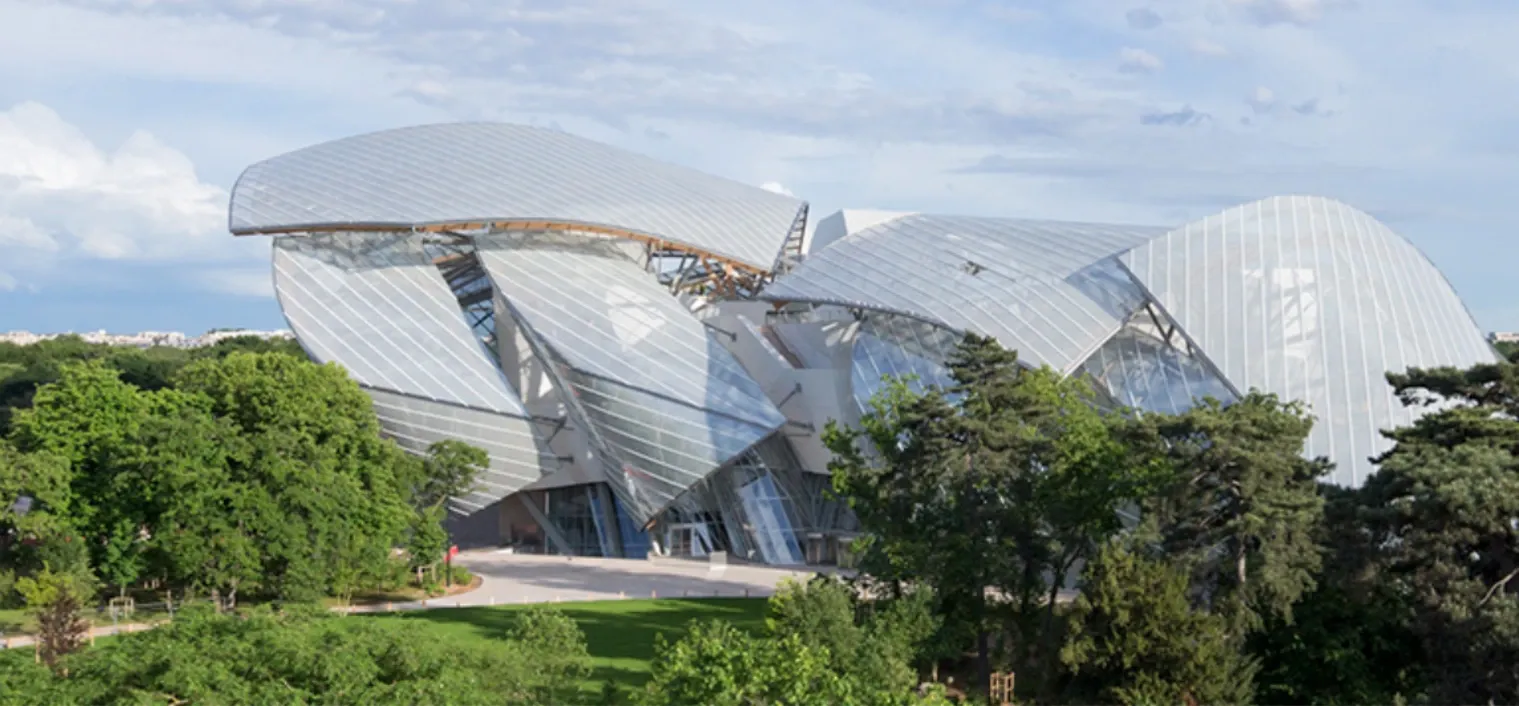
We are witnessing a fundamental paradigm shift in the relationship between buildings and their inhabitants. Static, immutable structures—the defining feature of architecture for millennia—are gradually giving way to a new generation of responsive, intelligent, and truly adaptive buildings. This emerging field of adaptive architecture represents nothing short of a revolution, creating structures that can perceive, learn, and evolve in response to environmental stimuli, occupant needs, and real-time data. These are not mere buildings; they are dynamic environmental partners that actively participate in creating healthier, more efficient, and more personalized spaces. As we confront the dual challenges of climate change and rapid urbanization, adaptive architecture offers a powerful toolkit for creating a resilient and truly symbiotic built environment. This article explores the core technologies, groundbreaking applications, and profound implications of this architectural transformation, demonstrating how adaptive principles are reshaping our world from the inside out.
A. The Foundation: Core Technologies Enabling Adaptation
The emergence of adaptive architecture is powered by a convergence of several advanced technologies that serve as the nervous system, senses, and muscles of these living buildings.
A. Advanced Sensor Networks and IoT Integration
The foundational layer of any adaptive structure is its sensory apparatus. Pervasive, low-cost sensors embedded throughout a building continuously monitor a vast array of parameters.
-
Environmental Sensors: These track external and internal conditions including temperature, humidity, air quality (CO2, VOC levels), light intensity, and barometric pressure.
-
Occupancy and Behavior Sensors: Motion sensors, infrared counters, and even anonymous video analytics monitor space utilization, occupant movement patterns, and crowd density without compromising individual privacy.
-
Structural Health Monitors: Sensors embedded in the foundation, frame, and facade measure stress, strain, vibration, and material fatigue, enabling the building to report on its own structural integrity.
B. Artificial Intelligence and Machine Learning Brains
The raw data from sensors is processed by AI algorithms that serve as the building’s cognitive center. Machine learning enables the system to move beyond simple pre-programmed responses to sophisticated, predictive adaptation.
-
Pattern Recognition: The AI learns daily and seasonal cycles of occupancy and environmental conditions, anticipating needs before they are explicitly demanded.
-
Predictive Optimization: By analyzing weather forecasts, energy price fluctuations, and scheduled events, the system can pre-cool a building before a heatwave or store energy in anticipation of peak demand charges.
-
Continuous Learning: The system refines its responses over time, learning from occupant overrides to create increasingly accurate and personalized environmental profiles.
C. Kinetic Components and Robotic Elements
The physical manifestation of adaptation comes from kinetic systems that allow the building’s form and components to move.
-
Responsive Building Envelopes: These include facades with motorized shading systems, electrochromic glass that changes tint, and operable building skins with panels that open and close like gills to regulate air flow and light.
-
Reconfigurable Interior Systems: Moving partitions, adjustable floor plates, and robotic furniture systems allow interior spaces to transform completely based on changing needs—from an open-plan office to private meeting rooms, or from a living room to a home theater.
D. Integrated Energy and Climate Systems
Adaptive architecture deeply integrates mechanical systems with the building’s form and intelligence.
-
Dynamic HVAC Distribution: Instead of conditioning entire floors, smart vents and localized climate zones direct heating and cooling only to occupied areas, dramatically reducing energy waste.
-
Phase-Change Materials (PCMs): These substances are integrated into walls and ceilings, where they absorb excess heat by melting and release it by solidifying, acting as a thermal battery that smooths out temperature fluctuations.
B. Transformative Applications Across Building Typologies
The principles of adaptive architecture are being applied across various building types, each with unique requirements and opportunities for innovation.
A. The Workplace Revolution: Offices That Optimize Themselves
The modern office is becoming a laboratory for adaptive technologies focused on enhancing productivity, collaboration, and employee well-being.
-
Personalized Environmental Bubbles: Instead of a one-size-fits-all approach, systems can create micro-climates around individual workstations, allowing employees to set their preferred temperature and lighting conditions without affecting neighbors.
-
Acoustic Adaptation: Sound-absorbing panels and white noise systems automatically adjust their properties based on ambient noise levels and occupancy density, maintaining optimal acoustic comfort for both focused work and collaborative discussions.
-
Space Utilization Analytics: The building continuously analyzes how different spaces are used, providing data-driven insights for facility managers to optimize layouts and justify real estate decisions.
B. Residential Adaptation: Homes That Anticipate Needs
The concept of the “smart home” is evolving into something far more sophisticated—a living partner that understands and responds to its inhabitants’ routines and preferences.
-
Aging-in-Place Support: For elderly residents, adaptive homes can monitor movement patterns for signs of distress, automatically adjust lighting to prevent falls, and even reconfigure spaces to accommodate changing mobility needs.
-
Circadian Lighting Systems: Artificial lighting that automatically adjusts its color temperature and intensity throughout the day to support natural human circadian rhythms, improving sleep quality and daytime alertness.
-
Security Through Presence Simulation: When occupants are away, the building can create the appearance of occupancy by randomly adjusting lights, shades, and even playing sounds, providing enhanced security through behavioral mimicry.
C. Institutional Innovation: Healthcare and Educational Environments
In critical environments like hospitals and schools, adaptive architecture delivers tangible benefits to health outcomes and learning effectiveness.
-
Patient-Specific Hospital Rooms: Rooms that automatically adjust environmental conditions based on a patient’s specific medical condition—such as specialized lighting for jaundiced newborns or precise humidity control for burn victims.
-
Learning-Optimized Classrooms: Educational spaces that reconfigure their layout based on the teaching methodology being employed—theater-style for lectures, cluster formations for group work, or open space for presentations—all triggered by the teacher’s schedule or a simple voice command.
C. Case Studies: Adaptive Architecture in the Real World
A. The Al Bahr Towers, Abu Dhabi
This iconic project features a dynamic facade inspired by traditional Islamic “mashrabiya” screens. The computer-controlled hexagonal panels open and close in response to the sun’s movement, reducing solar heat gain by over 50% and significantly cutting cooling energy demands while creating a constantly evolving architectural expression.
B. The Kiefer Technic Showroom, Austria
Dubbed the “Cloud of Sound,” this exhibition space features 110 cloud-like acoustic elements that automatically raise and lower to optimize the room’s acoustics for different events—from intimate musical performances to loud gatherings—demonstrating how adaptive architecture can master intangible environmental qualities.
C. The SINBIO Office Building, Japan
This structure employs a “bio-skin” system where water is circulated through double-layered exterior walls, evaporatively cooling the facade while simultaneously irrigating the vertical gardens integrated into the building’s surface. It’s a prime example of a building that regulates its own microclimate through integrated, biomimetic systems.
D. The Challenges and Ethical Dimensions of Adaptation
While the potential is extraordinary, the widespread adoption of adaptive architecture faces significant technical, economic, and ethical hurdles.
A. The Cost-Complexity Conundrum
The sophisticated technology required for adaptive buildings currently commands a premium, limiting adoption to high-budget projects. The increased complexity also demands new maintenance skills and creates more potential points of failure compared to conventional static structures.
B. The Privacy-Personalization Paradox
Buildings that continuously monitor occupant behavior to provide personalized environments inevitably raise serious privacy concerns. Clear data governance policies, anonymization techniques, and transparent user consent frameworks are essential to prevent adaptive architecture from becoming a surveillance infrastructure.
C. Technological Dependency and Resilience
Highly adaptive buildings risk becoming vulnerable to cyberattacks, power outages, or system failures. Robust cybersecurity measures, fail-safe manual overrides, and passive design principles that ensure basic comfort without technological intervention are critical for long-term resilience.

E. The Future Trajectory: Where Adaptive Architecture Is Heading
The field is rapidly evolving toward even more integrated and sophisticated applications.
-
Buildings as Power Plants: The next generation of adaptive buildings will not just conserve energy but will actively generate, store, and trade it with municipal grids through integrated photovoltaics, micro-wind turbines, and advanced battery systems.
-
Neurological Integration: Emerging research explores direct brain-computer interfaces that would allow buildings to respond to occupants’ cognitive states—perhaps dimming lights when detecting mental fatigue or adjusting temperature in response to stress levels.
-
4D-Printed Structures: Using materials that can change shape or properties over time in response to stimuli, 4D printing could create building components that self-assemble or reconfigure without any mechanical parts.
Conclusion: Toward a Symbiotic Relationship with Our Environment
Adaptive architecture represents more than a technical innovation; it signifies a fundamental evolution in humanity’s relationship with the built environment. We are moving from being passive occupants of static containers to active participants in dynamic, responsive ecosystems. The ultimate promise of this transformation is an environment that doesn’t merely shelter us, but actively collaborates in our well-being, enhances our capabilities, and reduces our ecological footprint. As the technologies mature and become more accessible, adaptive principles will inevitably move from exceptional projects to mainstream practice, ultimately creating cities that breathe, learn, and evolve with their inhabitants. The building of the future won’t be a backdrop to our lives—it will be an active partner in shaping them.
Tags: Adaptive Architecture, Responsive Design, Smart Buildings, Kinetic Structures, IoT, AI, Building Technology, Sustainable Design, Future Cities, Environmental Design