Architects Revolutionize Intelligent Home Design

The New Frontier of Residential Architecture
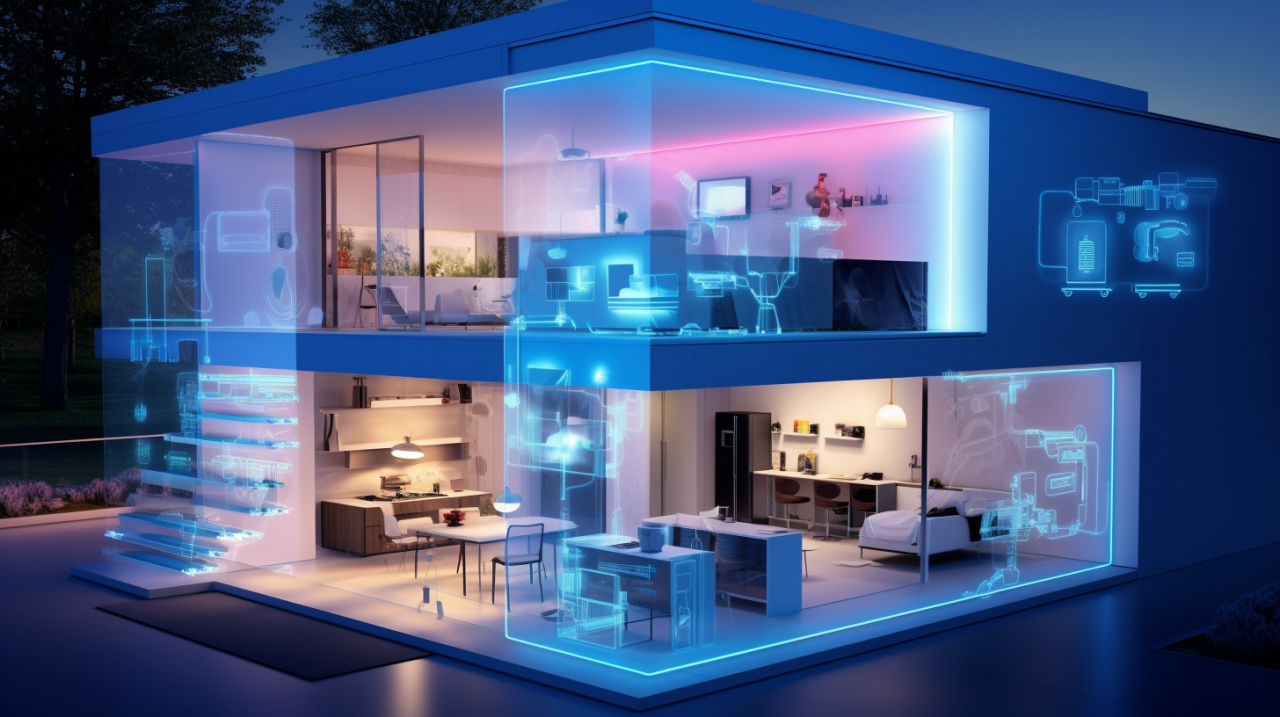
The concept of the “smart home” has evolved dramatically from its origins in gadget-driven automation to become one of the most significant architectural movements of our time. While technology companies initially dominated this space with standalone devices, a fundamental transformation is occurring as architects embrace intelligent systems as integral components of spatial design. This represents a paradigm shift from merely installing smart devices to architecting intelligent environments where technology, space, and human experience merge seamlessly. Today’s forward-thinking architects are redefining residential design by creating homes that don’t just respond to commands but anticipate needs, enhance wellbeing, and actively participate in daily life. This comprehensive exploration examines how architectural professionals are elevating smart home design beyond technical implementation to create deeply personalized, sustainable, and profoundly human-centered living environments that represent the future of residential architecture.
A. The Architectural Philosophy Behind Intelligent Homes
The distinction between technology-driven smart homes and architect-designed intelligent environments lies in their fundamental philosophical approach to space and living.
A. From Automation to Environmental Intelligence
Architects approach smart home design through a fundamentally different lens than technology specialists:
-
Spatial Integration vs. Device Addition: While technology companies focus on adding devices to existing spaces, architects design the space and technology as a unified system. Technology becomes embedded in the architecture itself, disappearing from view while remaining omnipresent in function.
-
Human-Centered Design Philosophy: Architect-designed intelligent homes prioritize human experience over technological capability. The design process begins with understanding how people live, move, and interact within spaces, then determines how technology can enhance these natural patterns.
-
Holistic Environmental Thinking: Architects consider the home as a complete environmental system where technology mediates between occupants, building envelope, and external conditions to create optimal living conditions.
B. The Principles of Architectural Intelligence
Several core principles distinguish architect-designed intelligent homes from conventional smart houses:
-
Ambient Intelligence: Technology recedes into the background, creating environments that feel naturally responsive rather than technologically dominated. Interfaces become multimodal, combining voice, gesture, and predictive behavior.
-
Spatial Continuity: Intelligent systems maintain consistent experiences as occupants move through different spaces, with environmental conditions, lighting, and audio transitioning seamlessly from room to room.
-
Adaptive Personalization: The home learns from and adapts to individual occupant preferences and patterns, creating personalized environmental conditions for different family members.
-
Resilient Simplicity: Systems are designed with graceful degradation, ensuring that essential functions remain available even during technical failures or power outages.
B. The Technical Foundation of Architect-Designed Smart Homes
Creating truly intelligent residential environments requires a sophisticated technical foundation that prioritizes integration, reliability, and scalability.
A. Integrated Systems Architecture
Architects approach home intelligence through comprehensive systems integration:
-
Unified Control Platforms: Unlike consumer-grade systems that operate in isolation, architect-specified systems utilize professional-grade control platforms that unify management of lighting, climate, security, audio-visual, and shading systems through a single, coherent interface.
-
Structured Wiring Infrastructure: Purpose-designed conduit systems and centralized wiring closets accommodate current technologies while providing pathways for future upgrades without structural modifications.
-
Distributed Intelligence: Processing capability is distributed throughout the home rather than centralized, creating a more resilient network that continues functioning even if individual components fail.
B. Sensory and Responsive Systems
The sensory apparatus of architect-designed intelligent homes goes beyond basic motion detection:
-
Environmental Sensing: Advanced sensors monitor air quality, temperature gradients, humidity levels, and light intensity throughout different zones of the home.
-
Occupancy Awareness: Multi-technology presence detection combines infrared, ultrasonic, and video analytics to distinguish between human presence, pets, and moving shadows.
-
Biometric Integration: Sophisticated systems can recognize individual occupants and adjust environments according to stored preferences for lighting, temperature, and entertainment.
C. Connectivity and Network Design
Robust connectivity forms the nervous system of intelligent homes:
-
Enterprise-Grade Networking: Commercial-grade wireless access points and network switches ensure reliable coverage throughout the property, including outdoor spaces.
-
Dedicated Control Networks: Critical systems operate on separate networks from general internet access, ensuring security and performance isolation.
-
Future-Proof Bandwidth: Infrastructure is designed to accommodate emerging technologies and increasing data demands without requiring significant upgrades.
C. The Architectural Elements of Intelligent Homes
Intelligent design manifests through specific architectural elements that integrate technology seamlessly into the living environment.
A. Responsive Building Envelopes
The very skin of intelligent homes actively participates in environmental management:
-
Dynamic Glazing: Electrochromic glass transitions from clear to tinted in response to solar conditions, managing heat gain and glare while maintaining views.
-
Adaptive Shading Systems: Automated exterior shades, louvers, and screens adjust throughout the day to optimize natural light while providing solar protection.
-
Breathing Walls: Advanced building assemblies incorporate phase-change materials and active ventilation that respond to internal and external temperature conditions.
B. Intelligent Spatial Planning
Room layouts and circulation patterns evolve to accommodate technological integration:
-
Technology Zones: Dedicated spaces house equipment while remaining accessible for maintenance yet invisible during normal use.
-
Flexible Room Definitions: Spaces can transform their function through lighting, acoustic treatment, and movable partitions controlled by intelligent systems.
-
Flow-Optimized Circulation: Motion patterns inform the placement of controls and automated systems to create intuitive interactions.
C. Integrated Interface Design
How occupants interact with intelligent homes reflects careful architectural consideration:
-
Disappearing Interfaces: Controls recede into walls and surfaces when not in use, maintaining clean aesthetics.
-
Contextual Displays: Information appears on surfaces only when relevant, using technologies like projection and transparent displays.
-
Natural Interaction Modalities: Voice, gesture, and presence replace physical controls for most routine interactions.
D. Sustainability and Energy Intelligence
Architect-designed intelligent homes represent the forefront of sustainable residential design through active energy management and environmental responsiveness.
A. Predictive Energy Management
Intelligent systems optimize energy usage through sophisticated forecasting and management:
-
Load Forecasting: Systems predict energy needs based on schedules, weather forecasts, and utility pricing to optimize equipment operation.
-
Distributed Energy Integration: Homes actively manage energy generation from solar panels, storage in battery systems, and consumption patterns to minimize grid dependence.
-
Equipment Optimization: HVAC and other major systems operate at peak efficiency points based on real-time conditions and anticipated needs.
B. Circular Resource Management
Intelligent homes participate actively in resource conservation:
-
Water Recycling Systems: Greywater and rainwater collection systems are intelligently managed based on usage patterns and weather conditions.
-
Adaptive Irrigation: Landscape watering adjusts automatically based on soil moisture, weather forecasts, and plant-specific requirements.
-
Waste Monitoring: Systems track waste production and provide feedback to encourage reduction and proper sorting.
E. The Human Experience in Intelligent Environments
The ultimate measure of intelligent home design success lies in how it enhances daily life and human wellbeing.
A. Health and Wellness Integration
Architects are designing homes that actively contribute to occupant health:
-
Circadian Lighting Systems: Artificial lighting mimics natural daylight patterns to support healthy sleep-wake cycles and improve mood and productivity.
-
Air Quality Management: Sophisticated ventilation and filtration systems maintain optimal indoor air quality based on occupancy and external conditions.
-
Acoustic Comfort: Active noise cancellation and sound masking create acoustically optimized environments for different activities.
B. Accessibility and Inclusive Design
Intelligent systems dramatically enhance accessibility without institutional appearance:
-
Aging-in-Place Support: Discrete monitoring and assistance systems enable elderly residents to maintain independence while ensuring safety.
-
Universal Control Interfaces: Multiple control methods accommodate different physical abilities and preferences.
-
Adaptive Assistance: Systems learn individual needs and provide appropriate support without unnecessary intrusion.
F. Privacy and Security Considerations
The architectural integration of intelligent systems demands careful attention to privacy and security at a fundamental level.
A. Privacy by Design
Architects approach privacy as an essential component rather than an afterthought:
-
Data Minimization: Systems are configured to collect only essential data required for functionality.
-
Local Processing: Sensitive data processing occurs locally rather than in the cloud when possible.
-
Zoned Monitoring: Cameras and sensors are strategically placed to monitor security-critical areas while respecting private spaces.
B. Cybersecurity Integration
Security considerations inform the entire design process:
-
Physical Security Integration: Electronic access control, surveillance, and alarm systems work together as a cohesive security environment.
-
Network Segmentation: Critical systems operate on isolated networks protected from potential internet threats.
-
Regular Security Audits: Architect-specified systems include provisions for ongoing security maintenance and updates.

G. Case Studies: Architectural Intelligence in Practice
A. The Lakehouse Residence, California
This groundbreaking project exemplifies the integration of intelligence with architectural design:
-
Environmental Responsiveness: The building envelope adjusts continuously to external conditions, optimizing natural ventilation and daylighting.
-
Spatial Flexibility: Rooms transform seamlessly between different functions through automated systems and movable partitions.
-
Resource Independence: The home operates entirely off-grid through sophisticated energy and water management systems.
B. Villa Kujo, Japan
This urban residence demonstrates how intelligence can enhance compact living:
-
Vertical Space Optimization: Automated storage and transforming furniture maximize usable space in a small footprint.
-
Micro-Climate Zones: Different areas maintain distinct environmental conditions suited to their specific uses.
-
Cultural Sensitivity: Technology respects traditional Japanese living patterns while introducing contemporary conveniences.
H. The Future of Architect-Designed Intelligent Homes
The evolution of intelligent home design continues to accelerate, with several emerging trends shaping future development.
A. Predictive Environmental Management
Future systems will anticipate needs with increasing sophistication:
-
Behavioral Forecasting: Systems will predict occupant needs based on historical patterns and current context.
-
Proactive Maintenance: Equipment will self-diagnose issues and schedule maintenance before failures occur.
-
Wellness Optimization: Homes will actively contribute to occupant health through environmental adjustments and gentle guidance.
B. Community and Grid Integration
Intelligent homes will increasingly function as nodes within larger systems:
-
Virtual Power Plants: Homes will participate in grid-balancing activities through coordinated energy management.
-
Community Resource Sharing: Neighbors will share resources like energy storage and electric vehicle charging capacity.
-
Integrated Mobility: Home systems will coordinate with transportation options for seamless mobility experiences.
Conclusion: The New Language of Residential Design
The integration of intelligence into architectural practice represents more than a technical evolution—it constitutes a fundamental expansion of architecture’s language and capabilities. By embracing technology as an inherent component of spatial design rather than an added feature, architects are creating homes that are more responsive, sustainable, and attuned to human needs than ever before. The successful intelligent home doesn’t feel technological; it feels intuitively right, supporting daily life while remaining quietly in the background. As this approach matures, the distinction between “smart home” and “well-designed home” will disappear entirely, leaving only environments that enrich human experience through thoughtful integration of space, form, and intelligence. The future of residential architecture lies not in more technology, but in more thoughtful integration—where intelligence serves design, and design serves humanity.
Tags: Smart Home Design, Architectural Technology, Home Automation, Intelligent Buildings, Sustainable Homes, Residential Architecture, Future Living, Home Integration, Design Innovation, Smart Infrastructure