Celebrity Architects Embrace Tiny House Movement

When Architectural Giants Think Small
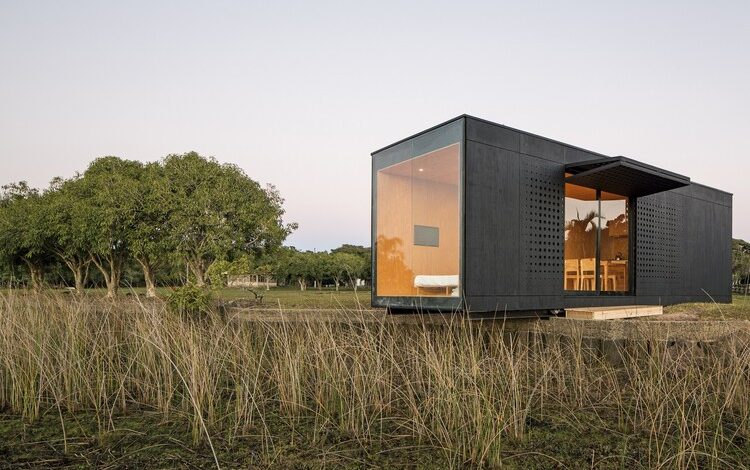
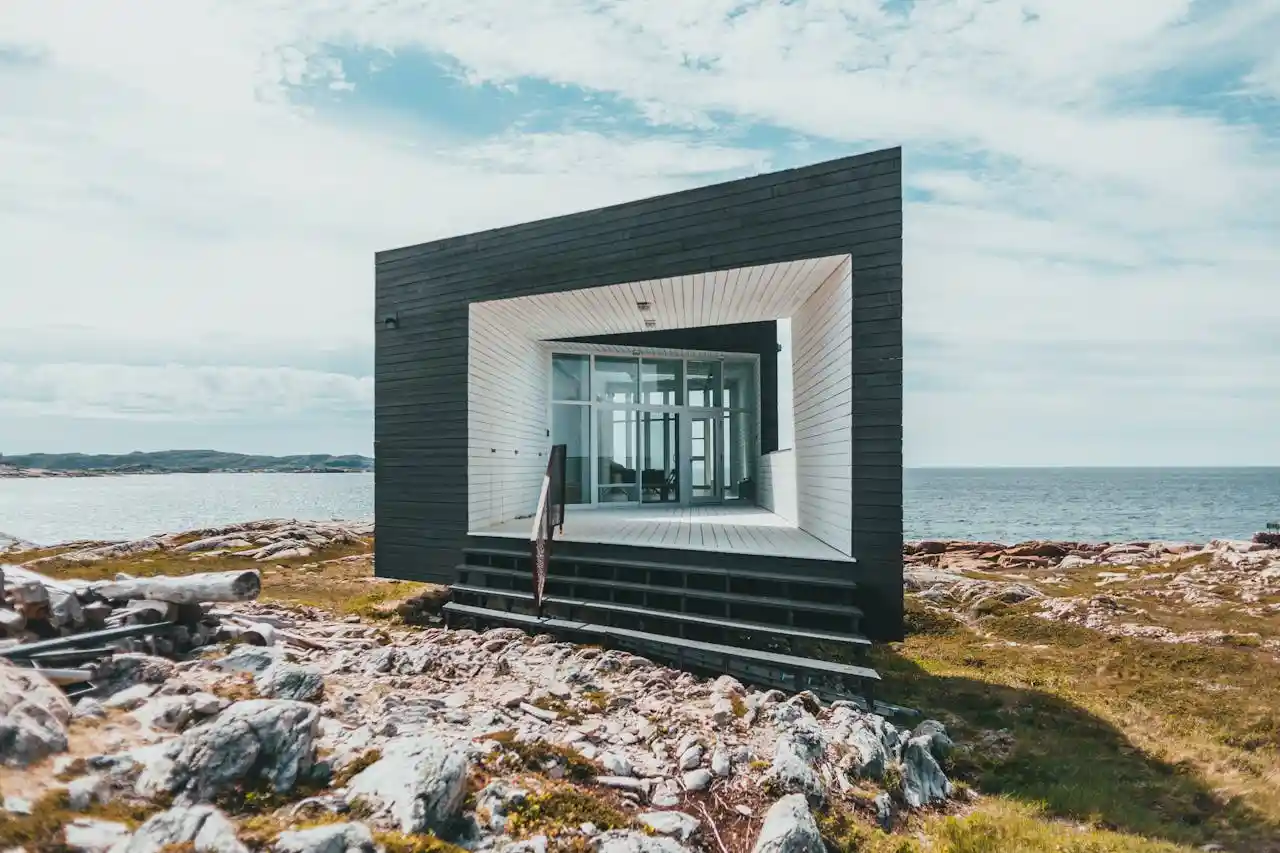
In a fascinating paradox reshaping contemporary architecture, some of the world’s most prominent architects—renowned for monumental museums, soaring skyscrapers, and lavish estates—are turning their attention to the most humble of building types: the tiny house. This unexpected convergence of architectural superstars and the minimalist tiny house movement represents more than a passing trend. It signals a fundamental re-evaluation of what constitutes meaningful design in an era of environmental concerns, housing affordability crises, and changing lifestyle priorities. When architects accustomed to unlimited budgets and vast square footage apply their genius to spaces measuring under 400 square feet, the results are nothing short of revolutionary. This exploration examines how celebrated architects are reinventing compact living, bringing sophisticated design thinking to the tiny house movement while challenging conventional notions of space, luxury, and what makes a house truly a home.
A. The Architectural Philosophy Behind Celebrity Tiny Houses
The involvement of prominent architects in the tiny house movement represents a significant philosophical shift with profound implications for design and living.
A. The Ethics of Sufficiency
Star architects bring a rigorous philosophical framework to tiny house design:
-
Voluntary Simplicity: Unlike economic necessity driving many tiny house adopters, celebrity architects choose minimal square footage as an ethical position against consumerism and waste.
-
Spatial Justice: Many architects see tiny houses as addressing housing inequality, creating beautiful, dignified small homes as alternatives to inadequate housing options.
-
Demonstration Projects: These high-profile tiny houses serve as proof-of-concept models, demonstrating how excellent design can transform minimal spaces into premium living experiences.
B. Redefining Luxury Through Design Intelligence
Luxury in architect-designed tiny houses is redefined from material abundance to experiential richness:
-
Sensory Amplification: Careful attention to texture, light, and acoustics creates rich sensory experiences that compensate for reduced physical space.
-
Spatial Complexity: Through split levels, mezzanines, and movable elements, architects create spatial variety that makes small volumes feel expansive and dynamic.
-
Quality Over Quantity: Limited budgets per project are redirected from square footage to exceptional materials, custom craftsmanship, and technological innovation.
B. Design Strategies for Maximum Impact in Minimal Space
Celebrity architects employ sophisticated design strategies that transform severe spatial constraints into design advantages.
A. Vertical Integration and Sectional Complexity
Instead of spreading horizontally, architect-designed tiny houses exploit the third dimension:
-
Strategic Level Changes: Even a few steps up or down can define distinct zones within a single room, creating psychological separation between functions.
-
Loft Innovations: Beyond simple sleeping areas, lofts become multi-functional spaces for work, storage, and retreat through creative access solutions and spatial planning.
-
Ceiling Height Variation: Manipulating ceiling heights throughout the tiny house creates spatial hierarchy and prevents claustrophobia in compact environments.
B. Transformable and Multi-Functional Architecture
Movable elements allow single spaces to serve multiple purposes throughout the day:
-
Sliding and Folding Partitions: These elements can reconfigure spaces completely, transforming an open living area into separate private zones when needed.
-
Convertible Furniture: Custom-designed pieces morph from beds to sofas, tables to storage, with mechanical precision worthy of architectural attention.
-
Disappearing Elements: Kitchens, offices, and even bathrooms can retract into walls or floors when not in use, reclaiming precious floor space.
C. Material and Detail Focus
With limited surfaces to work with, every material choice and detail becomes critically important:
-
Tactile Richness: Architects specify materials with depth and texture that reward close viewing, creating visual interest without requiring decorative objects.
-
Integrated Storage: Custom cabinetry and built-in furniture turn storage into architectural features rather than added elements.
-
Precision Detailing: Joints, transitions, and connections receive extraordinary attention, turning practical necessities into aesthetic statements.

C. Notable Architect-Designed Tiny House Projects
Several high-profile projects demonstrate how celebrated architects are redefining tiny house possibilities.
A. Renzo Piano’s Diogene Mobile Unit
The Pritzker Prize winner’s foray into tiny living exemplifies architectural purity:
-
Self-Sufficient Systems: The compact unit incorporates complete water recycling, solar power, and composting systems within its minimal footprint.
-
Environmental Responsiveness: Carefully positioned openings and shading devices create comfortable interiors without mechanical climate control.
-
Material Honesty: Raw aluminum exterior and warm wood interior celebrate materials in their essential state without decoration.
B. BIG’s (Bjarke Ingels Group) A45 Cabin
This project reimagines the traditional cabin through geometric innovation:
-
Tetrahedral Form: The unusual shape creates unexpectedly spacious and dramatic interior volumes within a tiny footprint.
-
Structural Expression: The exposed framework becomes the primary interior aesthetic, eliminating need for additional finishes.
-
Panoramic Connection: Full-height glazing dissolves boundaries between interior and exterior, making the small space feel part of a larger landscape.
C. Kengo Kuma’s Teahouse Concepts
The Japanese master’s tiny structures explore cultural traditions:
-
Material Transparency: Layered screens and translucent materials create depth and mystery in minute spaces.
-
Atmospheric Focus: The design prioritizes the quality of light and air within the space over physical dimensions.
-
Ritualized Movement: The approach to and through the tiny structure becomes as important as the space itself.
D. The Impact of Celebrity Architects on Tiny House Culture
The involvement of architectural stars has transformed public perception of the tiny house movement.
A. Mainstream Media Attention
High-profile architects bring tiny houses to prestigious platforms:
-
Architectural Publications: Tiny houses now feature in elite architectural journals that previously focused only on major projects.
-
Design Exhibitions: Museums like MoMA and Victoria & Albert Museum have featured architect-designed tiny houses as serious architectural works.
-
Social Media Amplification: Celebrity architect names attract attention to tiny house projects that might otherwise go unnoticed.
B. Technical and Material Innovation
Architectural expertise advances tiny house technology:
-
Advanced Envelope Systems: Knowledge of high-performance building science improves thermal comfort and energy efficiency in tiny structures.
-
Novel Material Applications: Experience with commercial and institutional projects introduces new materials to residential tiny scale.
-
Prefabrication Techniques: Expertise in modular construction streamlines tiny house production while maintaining design quality.
C. Regulatory and Professional Recognition
Architectural involvement lends credibility to tiny house initiatives:
-
Building Code Evolution: Professional architects help develop appropriate regulations for tiny houses as permanent dwellings.
-
Zoning Reform: The participation of respected architects strengthens arguments for legalizing tiny houses in more communities.
-
Professional Services: Mainstream architecture firms now offer tiny house design as a specialized service.
E. Economic and Social Implications
The tiny house movement intersects with critical economic and social issues that architects help address.
A. Affordable Housing Solutions
Architect-designed tiny houses offer new approaches to housing affordability:
-
Dignified Design: Demonstrates that affordable housing need not mean compromised design quality.
-
Cost Innovation: Creative material sourcing and construction methods developed for tiny houses can be scaled for larger affordable projects.
-
Community Models: Architects are designing tiny house communities that provide both privacy and shared amenities.
B. Sustainable Development
Tiny houses represent the ultimate in resource-efficient housing:
-
Material Efficiency: Dramatically reduced building materials lower both cost and environmental impact.
-
Energy Performance: Small volumes require minimal energy for heating and cooling, especially with advanced architectural design.
-
Land Use Innovation: Tiny houses enable densification without high-rise construction, preserving neighborhood character.
F. Challenges and Limitations
Despite the enthusiasm, significant challenges remain for architect-designed tiny houses.
A. Scalability and Accessibility
The “starchitect” tiny house faces practical limitations:
-
Cost Paradox: Some architect-designed tiny houses cost more per square foot than conventional luxury homes.
-
Specialized Labor: Custom designs often require craftspeople and builders with unusual skills, limiting widespread replication.
-
Regulatory Barriers: Many municipalities still prohibit tiny houses as permanent residences, regardless of design quality.
B. Practical Living Considerations
The romantic vision of tiny living confronts daily reality:
-
Storage Realities: Even brilliant design cannot eliminate the practical needs of material possessions for most families.
-
Accessibility Issues: Most tiny houses cannot accommodate people with mobility challenges or multiple generations.
-
Psychological Adaptation: The adjustment to extreme minimal living proves difficult for many, regardless of design excellence.
G. The Future of Architectural Engagement with Small-Scale Living
The collaboration between prominent architects and the tiny house movement continues to evolve in promising directions.
A. Technology Transfer to Larger Projects
Lessons from tiny houses influence conventional architecture:
-
Space Efficiency Strategies: Techniques developed for tiny houses are being applied to make larger homes more efficient and sustainable.
-
Material Innovations: Experimental material applications in tiny houses are scaling up to larger projects.
-
Prefabrication Advances: Construction methods refined in tiny house production are improving quality and reducing costs for standard homes.
B. Expanding Typological Diversity
Architects are exploring new variations on the tiny house concept:
-
Mobile Live-Work Units: Tiny structures that combine dwelling and professional space for nomadic creative professionals.
-
Backyard Cottage Ecosystems: Networks of tiny specialized structures replacing single-family homes on standard lots.
-
Disaster Relief Housing: Architect-designed temporary housing that provides dignity and beauty in emergency situations.
C. Educational and Research Value
Tiny houses serve as perfect laboratories for architectural experimentation:
-
Student Projects: Architecture schools increasingly use tiny houses as design-build projects that teach comprehensive skills.
-
Material Research: The small scale allows affordable testing of new materials and assemblies.
-
Behavioral Studies: Researchers use tiny houses to study how people interact with compact spaces, informing broader design knowledge.
Conclusion: The Big Impact of Thinking Small
The engagement of celebrity architects with the tiny house movement represents far more than a curious sidebar to contemporary architecture. It marks a meaningful recalibration of architectural values—from the monumental to the human scale, from resource-intensive grandeur to thoughtful efficiency, from exclusive luxury to inclusive quality. These small projects by big architects demonstrate that design excellence isn’t measured in square footage but in the intelligent enhancement of daily life. As housing becomes increasingly unaffordable and environmental concerns more urgent, the lessons emerging from these collaborations between architectural masters and minimal dwellings may well point toward the future of how we all might live—with less space but more design, fewer possessions but richer experiences, smaller footprints but larger lives. The tiny house, in the hands of great architects, becomes not just a dwelling but a manifesto for a more thoughtful, sustainable, and beautiful way of inhabiting our world.
Tags: Tiny Houses, Celebrity Architects, Small Space Design, Minimalist Living, Sustainable Architecture, Micro Housing, Architectural Design, Compact Living, Housing Innovation, Prefabricated Homes