Parametric Design Revolutionizes Architectural Creation

The Dawn of Computational Architecture
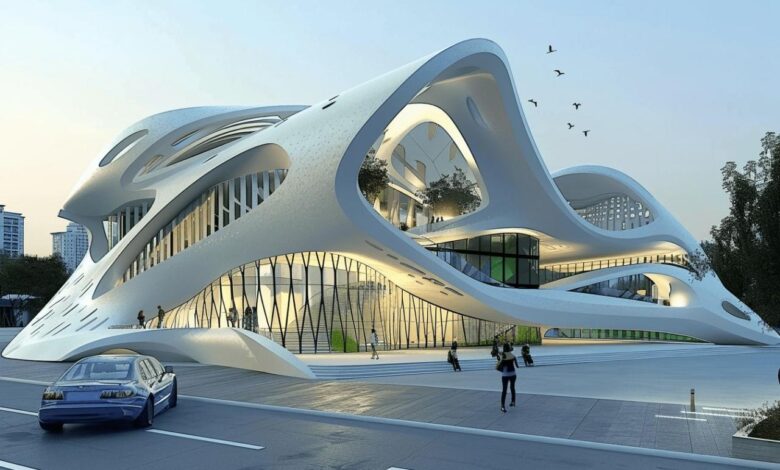
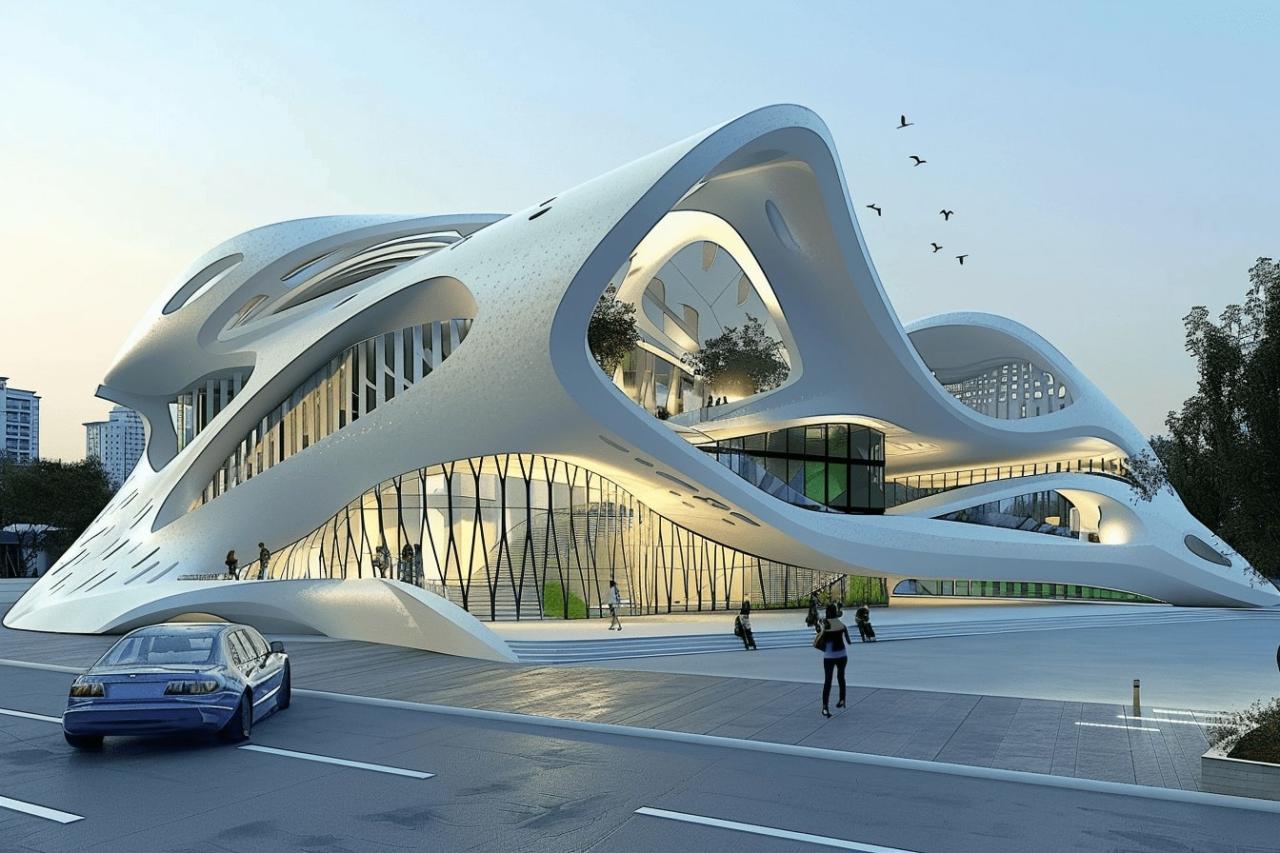
We stand at the precipice of a fundamental transformation in how we conceive, design, and construct our built environment. Parametric design represents nothing less than a revolution in architectural thinking—a shift from the static geometries of traditional design to dynamic, relationship-driven creation processes. This computational approach, which uses algorithms and parameters to generate and manipulate complex forms, is reshaping everything from individual buildings to entire urban landscapes. Unlike conventional design methods that rely on fixed measurements and predetermined forms, parametric design embraces variability, adaptation, and performance optimization as core principles. As we navigate the complexities of sustainability, urbanization, and technological advancement, parametric methodology offers architects unprecedented tools for creating buildings that are not only aesthetically striking but also intellectually rigorous, environmentally responsive, and deeply integrated with their contexts. This comprehensive exploration examines how parametric design is transforming architectural practice from an art of fixed forms to a science of dynamic relationships.
A. Historical Evolution: From Manual Drafting to Algorithmic Thinking
Understanding parametric design requires appreciating its dramatic departure from centuries of architectural tradition and its relatively rapid emergence as a dominant paradigm.
A. Pre-Digital Precedents
While computationally driven, parametric thinking has historical antecedents:
-
Antoni Gaudí’s Hanging Chain Models: The Catalan architect used gravity-loaded strings to determine optimal arch forms for the Sagrada Família, essentially creating physical algorithms for structural efficiency.
-
Frei Otto’s Soap Film Experiments: The German architect used minimal surface experiments to determine efficient structural forms for tensile architecture.
-
Islamic Geometric Patterns: Complex repeating patterns demonstrated algorithmic thinking in traditional design centuries before digital computation.
B. The Digital Revolution
The emergence of computational power enabled parametric design’s development:
-
Early Computer-Aided Design: 1980s CAD systems automated drafting but maintained the paradigm of fixed, manually determined geometries.
-
NURBS Modeling: Non-uniform rational B-spline technology enabled complex curved surfaces that traditional drafting couldn’t represent.
-
Frank Gehry’s Pioneering Work: Projects like the Guggenheim Bilbao demonstrated the constructability of complex computational forms, proving parametric design’s practical potential.
C. Software Democratization
The 21st century saw parametric tools become accessible:
-
Visual Programming Interfaces: Platforms like Grasshopper and Dynamo made parametric design accessible to architects without programming expertise.
-
Open-Source Communities: Online platforms facilitated sharing of scripts, definitions, and computational methods across global design communities.
-
Educational Integration: Architecture schools worldwide incorporated parametric design into core curricula, training a new generation of computational designers.
B. Core Principles of Parametric Design Methodology
Parametric design operates on fundamentally different principles than traditional architectural approaches.
A. Relationship-Based Geometry
The foundational concept involves defining relationships rather than fixed forms:
-
Parameters and Variables: Design elements are defined by changeable parameters (dimensions, angles, densities) rather than fixed measurements.
-
Associative Logic: Elements maintain defined relationships even when parameters change—a window size might remain proportional to wall area regardless of scale.
-
Constraint-Based Modeling: Designs respond to limitations and requirements (budget, regulations, site conditions) as input parameters.
B. Algorithmic Generation
Designs emerge from rule-based processes rather than predetermined forms:
-
Generative Algorithms: Scripts produce multiple design variations based on the same underlying rules and constraints.
-
Fitness Evaluation: Performance criteria (energy efficiency, structural optimization, cost) can automatically evaluate and rank generated options.
-
Emergent Complexity: Simple rules can generate complex, unexpected forms that wouldn’t emerge through conventional design processes.
C. Performance-Driven Optimization
Parametric design integrates analysis directly into the design process:
-
Multi-Objective Optimization: Algorithms balance competing performance criteria (daylight vs. heat gain, program vs. circulation) to find optimal solutions.
-
Iterative Refinement: Designs can be automatically refined through thousands of iterations to maximize performance.
-
Real-Time Feedback: Performance data (structural, environmental, cost) informs design decisions as they’re being made.
C. Technological Drivers of the Parametric Revolution
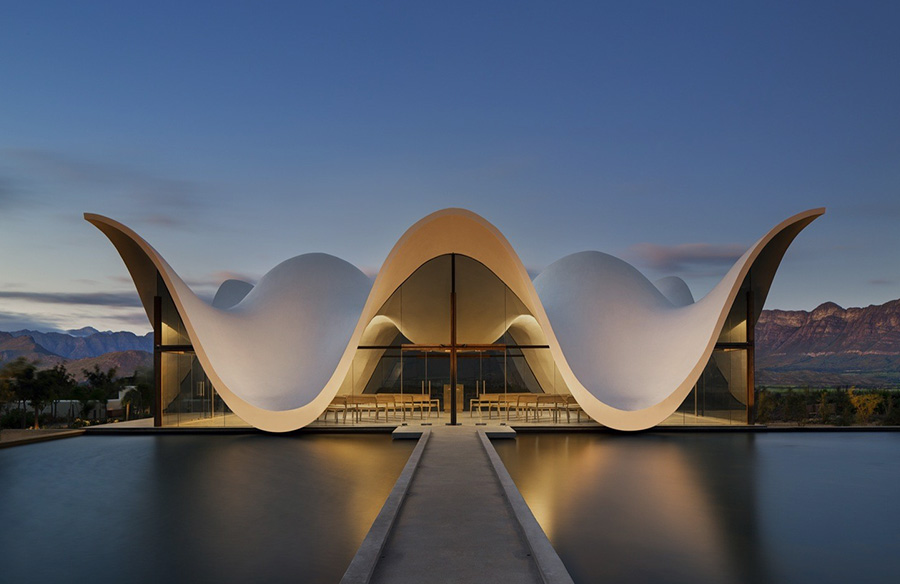
Several technological advancements have converged to make parametric design both possible and practical.
A. Computational Power and Software
Sophisticated tools enable complex parametric workflows:
-
Visual Programming Environments: Grasshopper (Rhino), Dynamo (Revit), and GenerativeComponents allow architects to build complex algorithms without writing code.
-
Simulation Integration: Real-time environmental, structural, and crowd behavior simulations inform parametric models.
-
Interoperability Platforms: Tools like Rhino.Inside facilitate data exchange between different software ecosystems.
B. Digital Fabrication and Robotics
Parametric designs can be physically realized through advanced manufacturing:
-
CNC Manufacturing: Computer-numerical-control milling, routing, and cutting enable cost-effective production of unique components.
-
Robotic Assembly: Industrial robots can assemble complex parametric structures with precision and efficiency.
-
3D Printing: Additive manufacturing enables construction of forms impossible through traditional methods.
C. Building Information Modeling (BIM) Integration
Parametric design connects to practical construction requirements:
-
Data-Rich Models: Parametric elements carry not just geometric but also cost, schedule, and performance data.
-
Coordination Automation: Parametric rules can automatically resolve conflicts between building systems.
-
Documentation Generation: Construction documents can be automatically updated when designs change.
D. Transformative Applications Across Scales
Parametric methodology is revolutionizing architectural design across every scale, from details to cities.
A. Building Scale Innovation
Parametric design enables unprecedented building performance and expression:
-
Environmental Responsiveness: Facades can be parametrically optimized for specific solar orientations, shading requirements, and prevailing winds.
-
Structural Efficiency: Material can be distributed precisely where needed, reducing waste while maintaining strength.
-
Constructability Optimization: Complex forms can be rationalized into buildable components through parametric decomposition.
B. Interior and Product Scale
The parametric revolution extends to interior environments and furnishings:
-
Customized Environments: Spaces can be parametrically adapted to individual user requirements and preferences.
-
Mass Customization: Furniture and fixtures can be uniquely tailored to specific contexts while maintaining manufacturing efficiency.
-
Adaptive Systems: Responsive interior elements can reconfigure based on use patterns and environmental conditions.
C. Urban and Landscape Scale
Parametric thinking transforms how we design cities and landscapes:
-
Urban Analysis: Parametric tools can model complex urban systems including traffic, pedestrian flow, and economic activity.
-
Masterplan Optimization: Neighborhood layouts can be optimized for sunlight access, views, privacy, and community interaction.
-
Infrastructure Integration: Complex urban systems (transportation, utilities, green space) can be designed as integrated parametric networks.
E. Notable Projects Demonstrating Parametric Excellence
Several landmark projects illustrate the transformative potential of parametric design methodology.
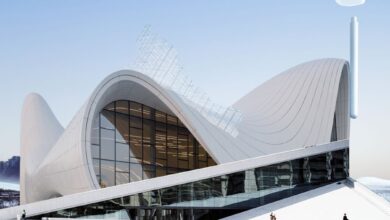
A. The Heydar Aliyev Center, Baku (Zaha Hadid Architects)
This iconic building demonstrates parametric design’s formal and structural possibilities:
-
Seamless Surface Continuity: The building appears as a single continuous surface flowing between floor, wall, and ceiling.
-
Structural Innovation: The complex curved forms required advanced computational analysis and custom fabrication methods.
-
Material Optimization: Panel sizes and shapes were optimized to balance aesthetic intent with manufacturing practicality.
B. The Shanghai Tower (Gensler)
This supertall skyscraper exemplifies performance-driven parametric design:
-
Twisting Form Optimization: The building’s twist reduces wind loads by 24%, significantly reducing structural material requirements.
-
Double Skin Facade: The parametrically optimized facade creates a thermal buffer zone that reduces energy consumption.
-
Atrium Integration: The nine interior atria were parametrically designed to maximize daylight penetration and natural ventilation.
C. The Serpentine Pavilion 2002 (Toyo Ito & Cecil Balmond)
This early parametric project demonstrated the methodology’s conceptual power:
-
Algorithmic Pattern Generation: The complex facade pattern emerged from simple mathematical rules rather than predetermined design.
-
Structural Clarity: The pattern wasn’t decorative but actually represented the building’s structural forces.
-
Constructability Challenge: The project required innovative fabrication approaches to realize its computational design.
F. The Human and Professional Impact
The parametric revolution is transforming architectural practice and education in profound ways.
A. Evolving Professional Roles
New specializations are emerging within the architectural profession:
-
Computational Designers: Architects specializing in algorithmic thinking and parametric methodologies.
-
Performance Analysts: Experts in simulating and optimizing building performance using parametric tools.
-
Digital Fabrication Specialists: Professionals bridging computational design and physical realization.
B. Educational Transformation
Architecture education is adapting to the parametric paradigm:
-
Algorithmic Literacy: Computational thinking is becoming as fundamental as traditional drawing skills.
-
Interdisciplinary Collaboration: Architecture students increasingly collaborate with computer scientists and engineers.
-
Research Integration: Academic research directly informs parametric design practice through development of new algorithms and methodologies.
G. Challenges and Critical Perspectives
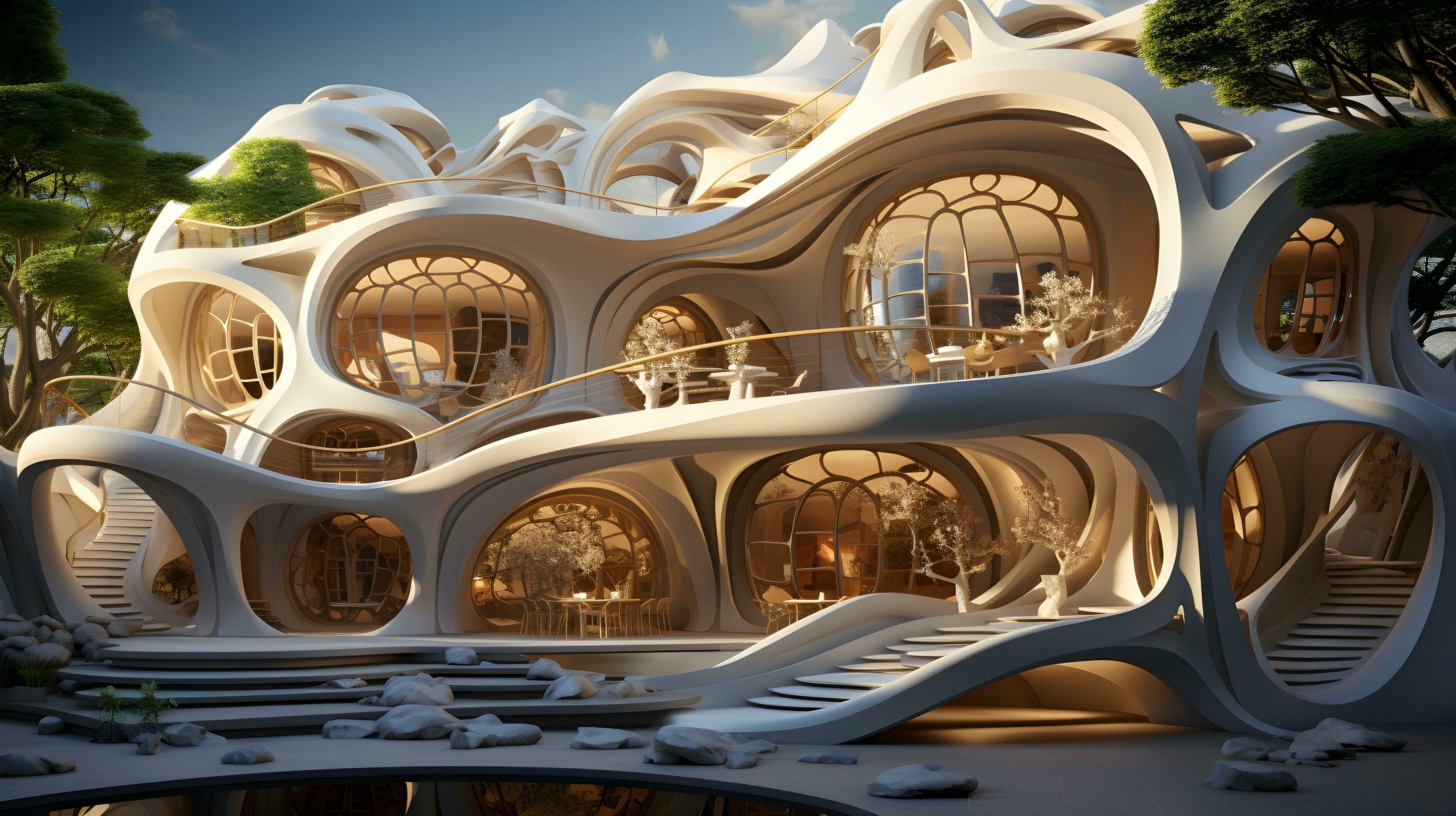
Despite its transformative potential, parametric design faces significant challenges and warranted criticism.
A. Technical and Practical Limitations
Implementation challenges remain substantial:
-
Computational Complexity: Highly parametric models can become computationally intensive and difficult to manage.
-
Cost Implications: Complex parametric designs often require specialized labor and custom fabrication, increasing costs.
-
Maintenance Concerns: Highly customized parametric systems can present challenges for long-term maintenance and adaptation.
B. Philosophical and Cultural Critiques
Parametric methodology faces thoughtful criticism:
-
Formal Excess: Critics argue that parametricism can prioritize formal novelty over human experience and contextual sensitivity.
-
Technological Determinism: The methodology risks allowing computational possibilities to dictate design decisions rather than human values.
-
Cultural Homogenization: Global parametric style may overwhelm local architectural traditions and contextual responses.
H. The Future Trajectory of Parametric Design
The parametric revolution continues to evolve toward increasingly sophisticated and integrated applications.
A. Artificial Intelligence Integration
Machine learning is transforming parametric possibilities:
-
Generative Adversarial Networks: AI systems can generate design options based on learned patterns from existing buildings.
-
Predictive Performance Modeling: Machine learning can predict building performance more accurately than traditional simulation.
-
Automated Optimization: AI can navigate complex design spaces more efficiently than human-directed parametric exploration.
B. Sustainable Design Applications
Parametric methodology is crucial for addressing environmental challenges:
-
Carbon Optimization: Algorithms can minimize embodied and operational carbon through form and material optimization.
-
Circular Economy Integration: Parametric design can facilitate building component reuse and adaptation.
-
Ecosystem Services: Buildings can be parametrically designed to actively contribute to environmental regeneration.
C. Democratization and Accessibility
The future points toward broader access to parametric tools:
-
Simplified Interfaces: Parametric design is becoming accessible to smaller firms and individual practitioners.
-
Cloud-Based Computation: Processing-intensive parametric analysis is moving to the cloud, reducing hardware barriers.
-
Open-Source Development: Collaborative development is making parametric tools more powerful and accessible.
Conclusion: The New Architectural Language
Parametric design represents more than a new set of tools—it constitutes a fundamental reimagining of architectural possibility. By treating design as a process of defining relationships and exploring possibilities rather than fixing forms, it offers architects unprecedented power to create buildings that are simultaneously more beautiful, more performative, and more responsive to their contexts and inhabitants. The parametric revolution is still in its early stages, with its full implications for how we build and inhabit our world still emerging. What’s already clear, however, is that computational methodology has permanently expanded architecture’s language, enabling designers to engage with complexity in ways previously unimaginable. As parametric thinking continues to evolve and mature, it promises to help architecture address the profound challenges of our time—from climate change to urbanization to resource scarcity—with new intelligence, creativity, and effectiveness. The buildings of our future will not be designed in the traditional sense; they will be grown, computed, and optimized through the powerful partnership of human creativity and computational intelligence.
Tags: Parametric Design, Computational Architecture, Algorithmic Design, Digital Fabrication, Architectural Technology, Generative Design, Building Information Modeling, Sustainable Architecture, Design Innovation, Computational Design