Retro Architecture Revival Reshapes Cities

The Return of Timeless Design Principles
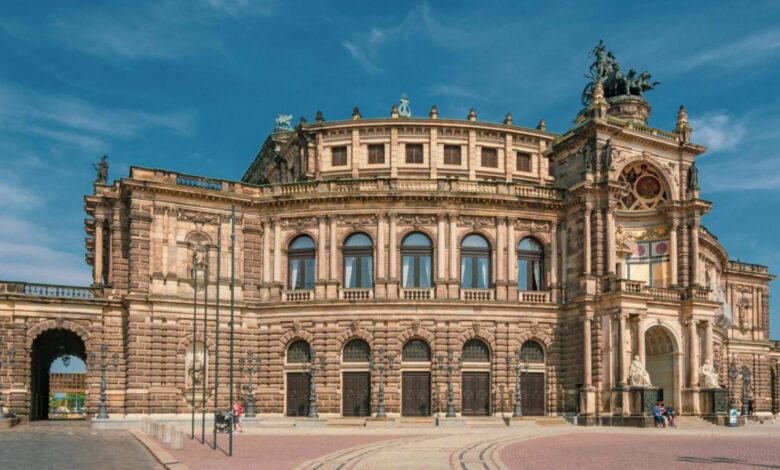
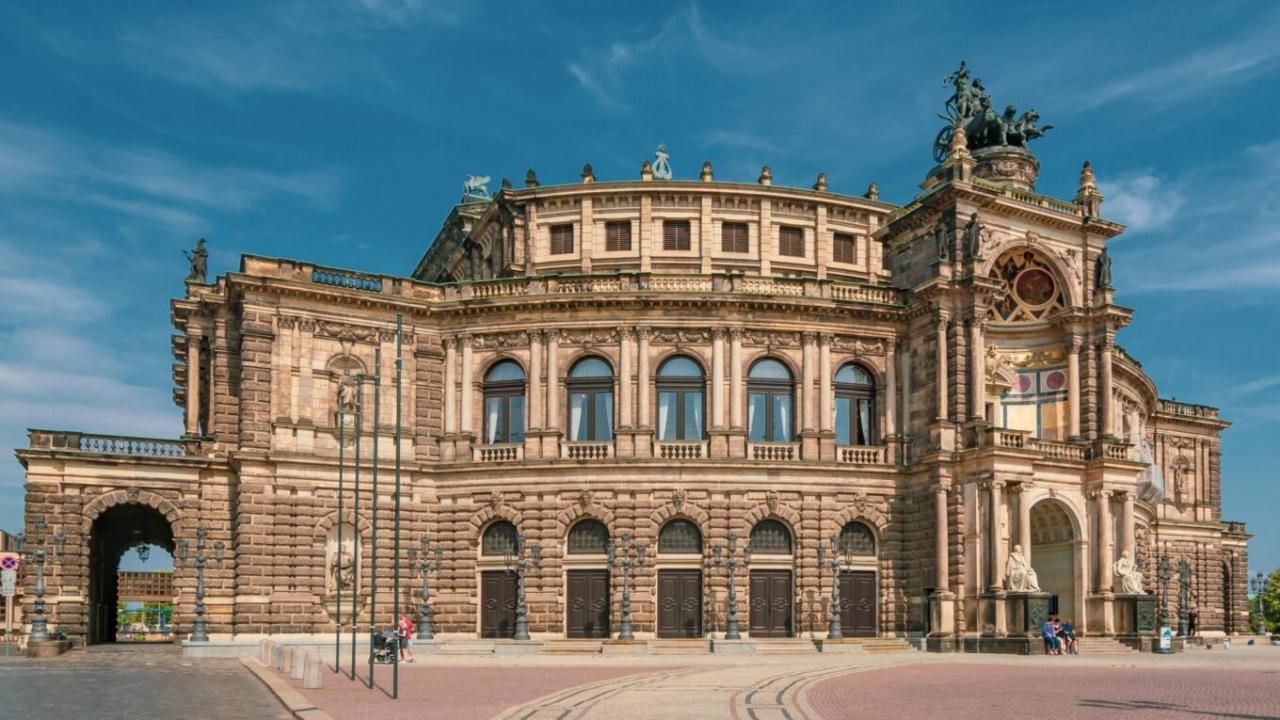
In an era dominated by glass-clad minimalism and computational formalism, an unexpected architectural renaissance is quietly transforming urban landscapes worldwide. Retro architecture, once dismissed as nostalgic imitation, has re-emerged as a powerful design movement that blends historical reverence with contemporary innovation. This isn’t mere historicism or pastiche; it’s a sophisticated reevaluation of pre-modernist design principles through the lens of 21st-century technology, sustainability, and urban theory. From art deco skyscrapers to neoclassical civic buildings, architectural styles once considered obsolete are experiencing a remarkable resurgence, driven by changing cultural values, technological advancements, and a growing dissatisfaction with the perceived coldness of much contemporary architecture. This comprehensive exploration examines how retro architecture is making its comeback not as escape from modernity, but as a bridge connecting the enduring human need for beauty, craftsmanship, and cultural continuity with the practical demands of our time.
A. Historical Context: Understanding Architecture’s Pendulum Swing
The current retro revival represents the latest oscillation in architecture’s perpetual dialogue between tradition and innovation.
A. The Pre-Modernist Legacy
Before modernism’s ascendancy, architectural evolution occurred through gradual adaptation of historical models:
-
Classical Continuity: From Renaissance through Beaux-Arts, architects built upon Greco-Roman principles while adapting to contemporary needs.
-
Regional Variations: Gothic, Romanesque, and vernacular traditions evolved slowly, respecting local materials and climate conditions.
-
Ornamental Language: Decoration served both aesthetic and symbolic purposes, communicating cultural values and building functions.
B. Modernism’s Radical Break
The 20th century witnessed a decisive departure from historical precedent:
-
Functionalist Doctrine: “Form follows function” became architecture’s dominant mantra, rejecting historical ornament as dishonest and unnecessary.
-
International Style: A universal aesthetic emerged, prioritizing abstraction, industrial materials, and technological expression over regional character.
-
Tabula Rasa Planning: Urban renewal often involved clearing historical fabric in favor of modernist megastructures.
C. Postmodern Reassessment
Late 20th-century reactions against modernism’s perceived excesses:
-
Complexity and Contradiction: Architects like Robert Venturi challenged modernism’s purity, advocating for historical reference and symbolic meaning.
-
Contextualism: The importance of relating new buildings to their historical settings gained prominence.
-
Semiotic Experimentation: Historical elements were quoted, often ironically, in postmodern compositions.
B. The Driving Forces Behind Retro Architecture’s Resurgence
Multiple cultural, technological, and economic factors explain why historical styles are returning to prominence today.
A. Cultural Fatigue with Modernist Orthodoxy
Contemporary society exhibits growing dissatisfaction with modernist legacy:
-
Human Scale Deficit: Many modernist projects are criticized for inhuman scale and lack of pedestrian-friendly detail.
-
Place Identity Crisis: Globalized modern architecture often creates interchangeable cityscapes lacking local character.
-
Psychological Needs: Research suggests humans respond positively to certain historical proportions, materials, and ornamental richness.
B. Sustainability and Longevity Considerations
Retro architecture aligns with contemporary environmental priorities:
-
Durability Focus: Traditional materials like stone, brick, and quality wood often outperform modern equivalents in lifespan and maintenance requirements.
-
Passive Performance: Historical architectural strategies—thick walls, natural ventilation, proportional windows—often provide superior energy efficiency.
-
Embodied Energy: Renovating and adapting historical structures represents significant carbon savings versus new construction.
C. Digital Technology Enablement
Modern technology facilitates rather than hinders traditional architecture:
-
Digital Fabrication: CNC milling and robotic carving make traditional ornament economically feasible again.
-
BIM for Classical Design: Building Information Modeling manages the complexity of traditional architectural elements.
-
Material Science Advances: Modern versions of traditional materials offer improved performance while maintaining historical appearance.
C. Major Retro Revival Movements in Contemporary Practice
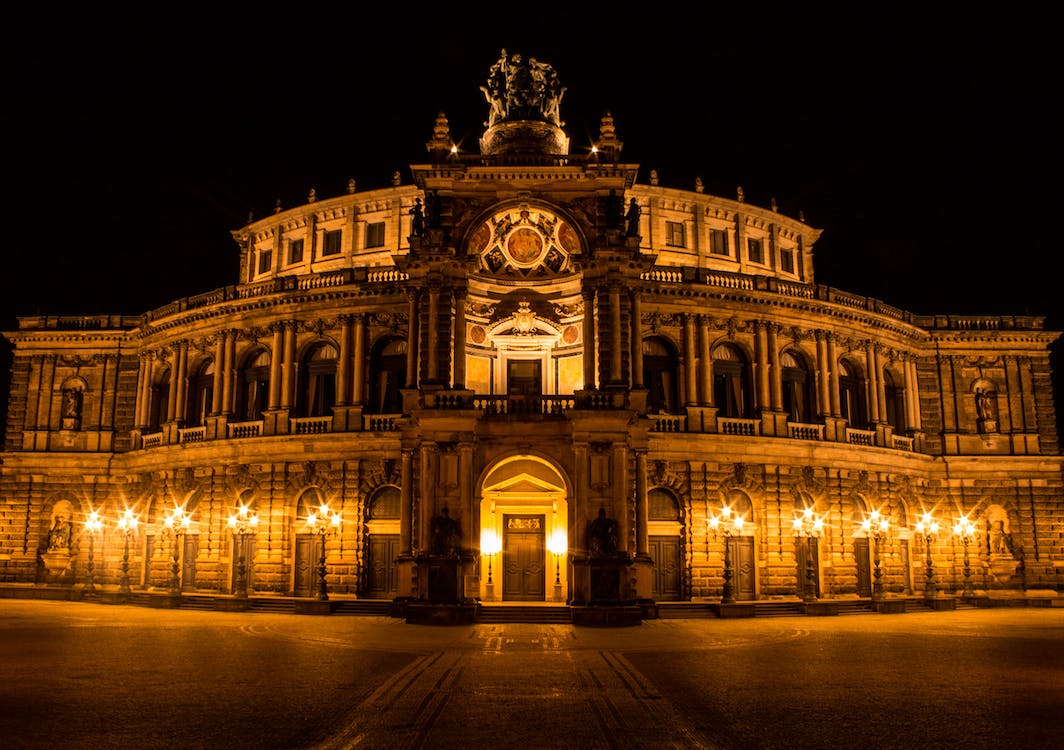
The retro architecture resurgence manifests through several distinct but related approaches.
A. New Classical Architecture
A principled return to classical language and proportional systems:
-
Traditional Urbanism: Movements like New Urbanism employ classical principles to create walkable, human-scaled communities.
-
Modern Traditionalists: Firms like Robert A.M. Stern Architects adapt historical styles for contemporary programs with scholarly rigor.
-
Educational Revival: Institutions like the University of Notre Dame School of Architecture teach classical design as living tradition.
B. Gothic and Medieval Revivals
Contemporary reinterpretations of pre-Renaissance architecture:
-
Ecclesiastical Architecture: Many new churches employ Gothic elements to maintain liturgical continuity and spiritual atmosphere.
-
Academic Buildings: Collegiate Gothic remains popular for university expansions seeking campus harmony.
-
Modern Craft Integration: Contemporary craftspeople apply medieval techniques to new commissions.
C. Art Deco and Early Modernist Returns
Rediscovery of interwar period elegance:
-
Skyscraper Design: New towers frequently reference 1920s and 1930s setbacks, ornament, and vertical emphasis.
-
Cinema Restoration: Movie theater renovations often restore original Art Deco features while updating technical capabilities.
-
Streamline Modern Influence: Transportation and commercial architecture increasingly reference 1930s aerodynamic styling.
D. Design Principles of Contemporary Retro Architecture
Successful retro architecture avoids pastiche through thoughtful adaptation of historical principles.
A. Proportional Systems and Harmonic Relationships
Retro architecture respects historical proportional wisdom:
-
Golden Section Applications: Many contemporary traditional buildings employ classical proportions known to please human perception.
-
Modular Coordination: Historical modular systems create visual harmony across building elements.
-
Scale Hierarchies: Careful attention to relationships between base, middle, and top creates comprehensible facades.
B. Material Authenticity and Craft Integration
Modern retro architecture celebrates materiality and craftsmanship:
-
Natural Material Preference: Stone, brick, wood, and metals are favored for their aesthetic and environmental qualities.
-
Craft Collaboration: Architects frequently collaborate with specialized artisans for decorative elements.
-
Honest Expression: Materials are typically used in ways that respect their inherent properties and traditional applications.
C. Ornament with Purpose
Contemporary retro architecture restores ornament’s legitimate role:
-
Structural Expression: Ornament often derives from or expresses structural logic.
-
Wayfinding Function: Decorative elements can guide movement and identify building functions.
-
Cultural Narrative: Ornament tells stories relevant to building users and community identity.
E. Technological Integration in Retro Architecture
The most successful retro architecture seamlessly blends historical principles with contemporary technology.
A. Hidden Modern Systems
Historical aesthetics conceal modern performance:
-
Advanced Environmental Control: Traditional-looking buildings contain state-of-the-art HVAC, lighting, and building automation.
-
Structural Innovation: Modern engineering enables historical forms that would have been impossible with original construction methods.
-
Accessibility Integration: Universal access is provided through discreetly integrated elevators and ramps.
B. Digital Design Methods
Traditional-looking architecture benefits from digital tools:
-
Parametric Traditionalism: Computational design manages complex traditional elements and variations.
-
Prefabricated Craft: Factory-produced traditional elements achieve quality and precision difficult onsite.
-
Performance Simulation: Digital analysis optimizes traditional forms for contemporary energy standards.
F. Notable Case Studies in Contemporary Retro Architecture
Several landmark projects demonstrate retro architecture’s contemporary relevance.
A. The Reichold Center for the Arts, St. Thomas
This Caribbean cultural center shows classical architecture’s adaptability:
-
Regional Adaptation: Classical language reinterpreted for tropical climate and local culture.
-
Modern Function: Traditional forms house contemporary performance technology.
-
Community Focus: Creates civic presence through historical architectural language.
B. The Brooklyn Tower, New York
This supertall skyscraper demonstrates Art Deco’s contemporary relevance:
-
Historical Reference: Direct engagement with nearby historic Art Deco towers.
-
Modern Engineering: Combines historical aesthetics with contemporary structural systems.
-
Urban Context: Creates dialogue with neighborhood’s architectural heritage.
C. The École Polytechnique Fédérale de Lausanne Learning Center
Demonstrates classical principles in high-tech context:
-
Traditional Planning: Classical spatial organization supports contemporary learning methods.
-
Modern Materials: Traditional forms executed in concrete, glass, and steel.
-
Cultural Continuity: Creates academic atmosphere through historical architectural language.
G. Challenges and Criticisms of Retro Architecture
The movement faces significant philosophical and practical challenges.
A. Authenticity and Originality Concerns
Critics question retro architecture’s cultural position:
-
Historical Accuracy Debate: Tension between scholarly reconstruction and creative interpretation.
-
Cultural Context: Appropriateness of historical styles in contemporary multicultural societies.
-
Innovation Balance: Maintaining architectural innovation while employing historical language.
B. Economic and Regulatory Hurdles
Practical challenges complicate retro architecture implementation:
-
Cost Premium: Traditional details and craftsmanship often exceed budget for conventional construction.
-
Code Compliance: Historical forms sometimes conflict with modern building and accessibility codes.
-
Workforce Limitations: Shortage of artisans skilled in traditional techniques.

H. The Future of Retro Architecture
Several trends suggest retro architecture’s influence will continue growing.
A. Sustainability Integration
Retro principles align with emerging environmental priorities:
-
Circular Economy: Traditional architecture’s durability and material authenticity support circular building practices.
-
Biophilic Design: Historical architecture often intuitively incorporated natural patterns and materials.
-
Climate Resilience: Traditional strategies offer proven solutions to emerging climate challenges.
B. Technological Convergence
Digital fabrication makes traditional architecture more accessible:
-
Robotic Craft: Robots enable economical production of traditional decorative elements.
-
Augmented Reality: AR assists craftspeople in executing complex traditional work.
-
AI-Assisted Design: Artificial intelligence can help generate historically informed designs.
C. Cultural Reconciliation
Future retro architecture may achieve deeper synthesis:
-
Global Tradition Integration: Broader engagement with non-Western architectural traditions.
-
Contemporary Hybrids: Deeper fusion of historical principles with contemporary expression.
-
Community Participation: Greater community involvement in determining architectural character.
Conclusion: Architecture’s Enduring Conversation
The retro architecture revival represents neither reactionary nostalgia nor stylistic regression. Rather, it signifies maturity in architecture’s ongoing dialogue between tradition and innovation—an acknowledgment that good design transcends temporal categories and that human needs for beauty, meaning, and connection to place remain constant even as technologies evolve. The most compelling contemporary architecture increasingly demonstrates that the choice between historical reference and contemporary expression presents a false dichotomy. By thoughtfully engaging with architectural heritage while fully embracing contemporary capabilities, today’s retro architecture offers a third way forward—one that honors human psychological needs, environmental responsibility, and cultural continuity without sacrificing technical performance or functional requirements. As we confront 21st-century challenges from climate change to cultural dislocation, the wisdom embedded in historical architecture, reinterpreted through contemporary understanding and capability, may provide precisely the synthesis we need to create buildings and cities that are not just efficient and sustainable, but truly nourishing to the human spirit.
Tags: Retro Architecture, Classical Design, Architectural Revival, Traditional Architecture, Sustainable Design, Urban Planning, Historical Preservation, Building Conservation, Architectural History, Contemporary Classicism