Desert Architecture Now Addresses Climate Extremes


The New Frontier of Extreme Environment Design
As climate change intensifies and populations expand into arid regions, desert architecture has emerged from niche specialty to crucial global discipline. The profound challenges of extreme temperatures, water scarcity, and fragile ecosystems are generating revolutionary design solutions with implications far beyond desert boundaries. Contemporary desert architecture represents a sophisticated synthesis of ancient vernacular wisdom and cutting-edge technology, creating buildings that don’t just withstand harsh conditions but actively contribute to environmental regeneration. This comprehensive examination explores how architects are reimagining habitation in the world’s driest landscapes, developing strategies that address water security, thermal comfort, and ecological integration while creating stunning aesthetic statements rooted in their unique contexts. The lessons emerging from desert architecture may well hold keys to sustainable living everywhere as climate pressures intensify globally.
A. The Environmental Challenges Driving Innovation
Desert architecture begins with acknowledging and responding to extreme environmental conditions that demand innovative solutions.
A. Temperature Management Challenges
The desert thermal environment presents unique obstacles:
-
Extreme Diurnal Swings: Temperature variations of 30-40°C between day and night require buildings that can store coolness and heat simultaneously.
-
Solar Radiation Intensity: Unfiltered sunlight creates massive heat gain while offering potential for energy generation.
-
Heat Distribution Methods: Understanding conduction, convection, and radiation principles is essential for effective passive cooling.
B. Water Scarcity and Management
Water dictates life and design in arid regions:
-
Precipitation Patterns: Limited rainfall requires maximum capture and utilization of every drop.
-
Evaporation Rates: High evaporation demands innovative water conservation and storage methods.
-
Greywater and Recycling: Closed-loop systems transform waste water into resources.
C. Environmental Fragility
Desert ecosystems require particularly sensitive intervention:
-
Soil Preservation: Desert crusts and fragile topsoils demand minimal site disturbance.
-
Habitat Protection: Construction must preserve existing animal and plant communities.
-
Dust and Sand Management: Building designs must mitigate invasive particulate matter.
B. Core Principles of High-Performance Desert Architecture
Successful desert architecture employs time-tested principles enhanced by contemporary technology and materials.
A. Passive Cooling Strategies
Ancient techniques are being refined with modern understanding:
-
Thermal Mass Optimization: Using materials like rammed earth and stone to absorb heat during day and release it at night.
-
Stack Ventilation: Designing for hot air to rise and escape while drawing in cooler air from lower levels.
-
Wind Catchers: Modern interpretations of traditional “malqaf” or “badgir” systems channel breezes for natural cooling.
-
Earth Sheltering: Building into the ground to utilize the earth’s stable subsurface temperatures.
B. Water Conservation Systems
Integrated water management defines desert sustainability:
-
Rainwater Harvesting: Comprehensive systems capture minimal rainfall for maximum utilization.
-
Greywater Recycling: Onsite treatment systems repurpose water for irrigation and toilet flushing.
-
Condensation Collection: Some designs harvest atmospheric moisture through radiative cooling surfaces.
-
Xeriscaping: Native plant species reduce outdoor water requirements by 75-90%.
C. Solar Geometry and Shading
Intelligent solar orientation minimizes heat gain while maximizing benefits:
-
Seasonal Responsiveness: Designs respond differently to summer and sun angles.
-
Adaptive Shading: Moveable screens and louvers optimize light and heat control throughout the day.
-
Light Shelves and Reflectors: Redirect sunlight for daylighting while blocking direct heat gain.
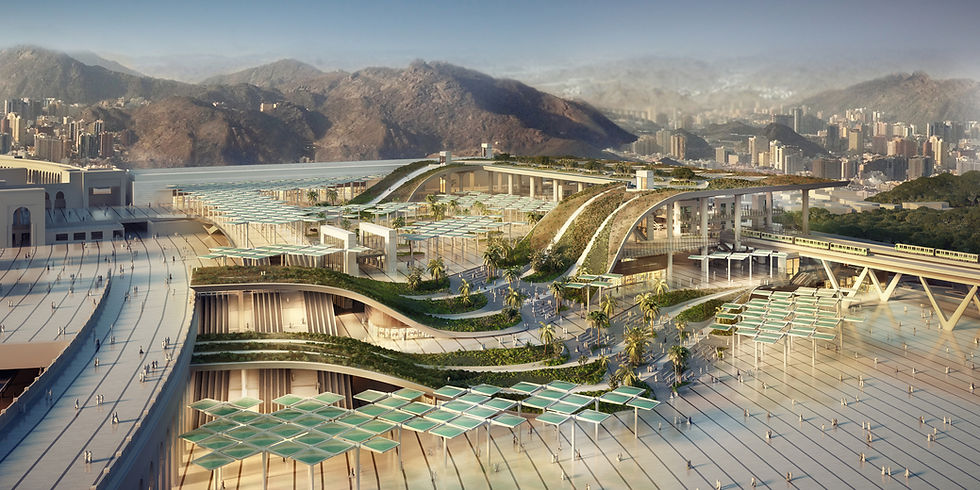
C. Material Innovations for Desert Conditions
The extreme desert environment demands specialized materials and construction techniques.
A. Traditional Material Reinterpretation
Ancient desert building materials are experiencing renewed relevance:
-
Rammed Earth Modernization: Contemporary forming systems and stabilization techniques improve durability while maintaining thermal mass benefits.
-
Adobe Innovation: New adobe formulations enhance water resistance and structural capacity.
-
Stone Construction: Local stone provides thermal mass and blends with natural surroundings.
B. Advanced Composite Materials
New materials address desert-specific challenges:
-
Aerogel Insulation: Super-insulating materials enable thin walls with exceptional thermal performance.
-
Phase-Change Materials: Substances that melt and solidify at comfortable temperatures provide dynamic thermal storage.
-
Self-Cleaning Coatings: Surfaces that resist dust accumulation maintain performance and appearance.
C. Sustainable Sourcing and Manufacturing
Desert architecture increasingly prioritizes low-embodied-energy materials:
-
Local Material Prioritization: Reducing transportation energy by sourcing within regional radius.
-
Low-Carbon Alternatives: Developing concrete replacements and low-energy manufacturing processes.
-
Salvaged Material Integration: Repurposing construction waste and industrial byproducts.
D. Technological Integration in Desert Architecture
Modern technology enhances rather than replaces traditional desert design wisdom.
A. Renewable Energy Systems
Desert conditions offer ideal renewable energy opportunities:
-
High-Efficiency Photovoltaics: Advanced solar cells thrive in desert sunlight while withstanding heat and dust.
-
Concentrated Solar Power: Thermal solar systems can provide both electricity and heating/cooling.
-
Wind Power Integration: Carefully sited turbines harness consistent desert winds.
B. Building Management Technology
Smart systems optimize desert building performance:
-
Predictive Climate Control: AI systems anticipate temperature changes and precondition spaces.
-
Water Monitoring Networks: Sensors track water usage and identify conservation opportunities.
-
Automated Shading Systems: Motorized shades and louvers respond to real-time solar conditions.
C. Water Production Innovations
Technology addresses water scarcity directly:
-
Atmospheric Water Generators: Systems extract drinking water from desert air.
-
Solar Desalination: Compact systems purify brackish groundwater using solar thermal energy.
-
Smart Irrigation: Moisture sensors and weather data optimize outdoor watering.
E. Notable Case Studies in Contemporary Desert Architecture
Several pioneering projects demonstrate the potential of sophisticated desert design.
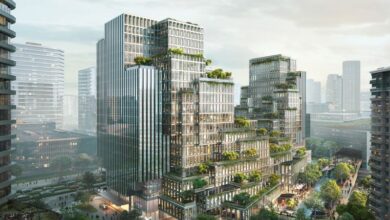
A. The Bosco Verticale Concept in Arid Regions
Vertical forest adaptations for desert cities:
-
Drought-Tolerant Species: Carefully selected vegetation provides shading and cooling with minimal water.
-
Integrated Irrigation: Greywater systems sustain vertical landscaping.
-
Microclimate Creation: The buildings moderate their own immediate environment.
B. The Masdar City Initiative, UAE
This desert eco-city demonstrates comprehensive sustainable planning:
-
Traditional Urban Form: Narrow streets and courtyard buildings create shaded public spaces.
-
Renewable Energy Integration: Solar power meets most energy demands.
-
Water Conservation: Advanced systems reduce consumption by 50% compared to conventional development.
C. The Tucson Mountain Retreat, Arizona
This residence exemplifies modern desert living:
-
Earth Integration: The building nestles into the landscape to minimize visual and environmental impact.
-
Passive Solar Design: Optimal orientation and shading eliminate mechanical cooling for much of the year.
-
Water Independence: Rainwater harvesting and recycling meet all water needs.
F. Cultural and Social Dimensions
Desert architecture increasingly addresses social needs and cultural continuity.
A. Indigenous Knowledge Integration
Traditional desert cultures offer invaluable design wisdom:
-
Vernacular Pattern Adoption: Historical settlement patterns inform contemporary community planning.
-
Cultural Meaning Preservation: Designs respect and reflect local cultural values and aesthetics.
-
Community Participation: Involving local communities in design and construction.
B. Economic Considerations
Desert architecture must address affordability and economic sustainability:
-
Lifecycle Cost Analysis: Evaluating buildings over decades rather than just initial construction.
-
Local Economic Development: Creating jobs and skills in desert communities.
-
Tourism Integration: Desert architecture as economic driver through responsible tourism.

G. Future Trends and Innovations
Desert architecture continues evolving toward greater sustainability and resilience.
A. Climate Change Adaptation
Designing for increasingly extreme conditions:
-
Higher Temperature Resilience: Materials and systems that perform at 50°C+ temperatures.
-
Dust Storm Protection: Buildings that seal effectively against fine particulate infiltration.
-
Water Security Enhancement: Redundant systems for reliable water supply.
B. Biotechnology Integration
Living systems become architectural components:
-
Bio-receptive Surfaces: Materials that encourage beneficial microbial or plant growth.
-
Photosynthetic Facades: Algae-based systems that generate energy while providing shade.
-
Self-Healing Materials: Biological concrete that repairs its own cracks.
C. Off-Grid Capability
Moving toward complete resource independence:
-
Energy Storage Advances: Next-generation batteries for reliable solar power.
-
Waste-to-Resource Systems: Complete recycling of all waste products.
-
Food Production Integration: Building-integrated agriculture using minimal water.
H. Global Relevance Beyond Desert Regions
Desert architecture strategies are increasingly applicable worldwide as climate patterns shift.
A. Urban Heat Island Mitigation
Desert cooling strategies help cool warming cities:
-
Reflective Surfaces: High-albedo materials reduce urban heat absorption.
-
Evaporative Cooling: Water features that lower ambient temperatures.
-
Shaded Public Spaces: Creating comfortable outdoor areas in hot climates.
B. Water Conservation Transfer
Desert water strategies address global water stress:
-
Efficient Fixtures: Ultra-low-flow plumbing fixtures.
-
Landscape Strategies: Water-smart landscaping principles.
-
Behavioral Approaches: Design that encourages water conservation.
C. Resilience Planning
Desert adaptation strategies inform climate resilience everywhere:
-
Passive Survivability: Buildings that maintain habitability during utility outages.
-
Resource Redundancy: Multiple systems for critical needs.
-
Community Design: Neighborhoods that support mutual assistance during extremes.
Conclusion: Desert Architecture as Global Laboratory
The extreme conditions of desert environments have catalyzed architectural innovation that holds profound implications for global practice. As climate change makes temperature extremes, water scarcity, and environmental fragility increasingly universal concerns, the strategies developed for desert architecture become relevant for buildings everywhere. The most successful desert architecture demonstrates that extreme environments demand not technological domination but intelligent collaboration with natural systems. By working with rather than against desert conditions, architects are creating buildings that are not just sustainable but regenerative—structures that give back more than they take. The future of architecture in an era of climate change may well be written in the sands of the world’s deserts, where the essential challenges of human habitation are stripped to their fundamentals and the solutions must be both ancient and utterly new. As we move further into the century of climate extremes, desert architecture offers a compelling vision of how we might live in greater harmony with our planet, even under the most challenging conditions.
Tags: Desert Architecture, Sustainable Design, Passive Cooling, Water Conservation, Extreme Environments, Climate Responsive Design, Arid Regions, Thermal Comfort, Desert Planning, Environmental Architecture