Biophilic Design Enhances Modern Urban Living

Reconnecting Urban Dwellers with Nature
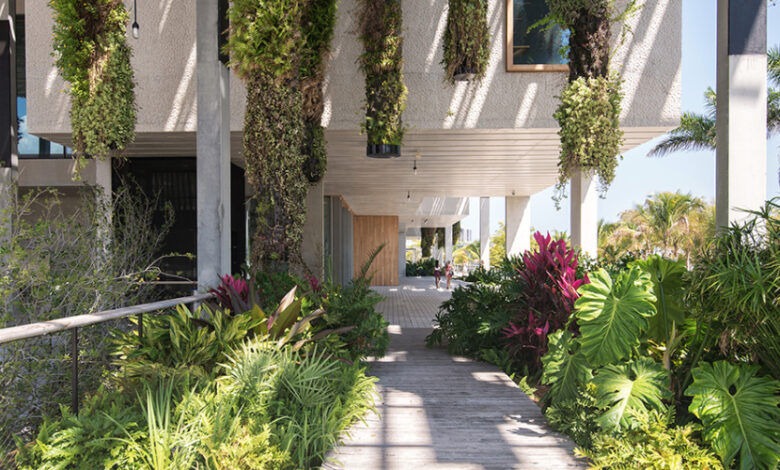
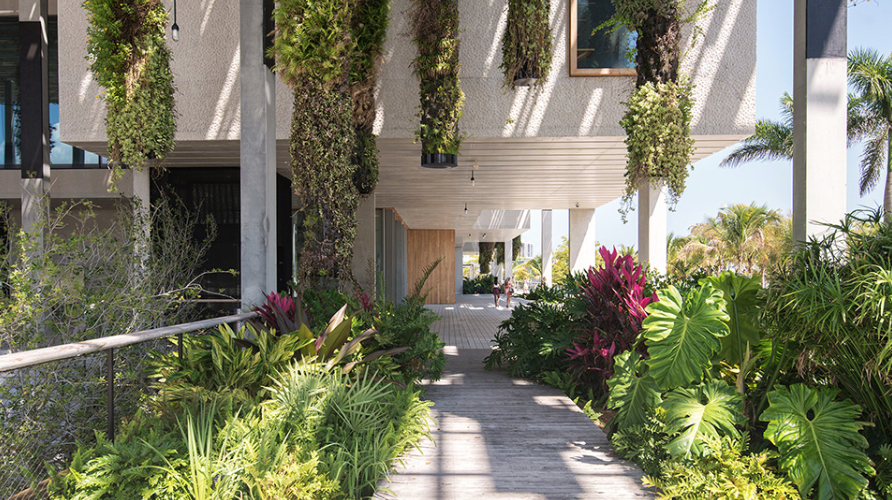
In an era of rapid urbanization and technological saturation, biophilic design has emerged as a transformative approach that reestablishes humanity’s innate connection with nature within built environments. This innovative design philosophy extends far beyond simply adding plants to interior spaces—it represents a fundamental rethinking of how we design, build, and experience our living and working environments. As scientific evidence continues to demonstrate the profound benefits of nature integration, architects and designers are increasingly embracing biophilic principles to create spaces that not only minimize environmental impact but actively contribute to human health, well-being, and productivity. This comprehensive exploration examines how biophilic design is reshaping modern architecture, creating urban oases that nurture both people and the planet while addressing the psychological and physiological needs of contemporary urban populations.
A. The Science Behind Biophilic Design
Understanding the compelling research supporting biophilic approaches is crucial for appreciating their growing significance in contemporary architecture.
A. Evolutionary Psychology Foundations
Human beings have evolved in natural environments for 99% of our history, creating deep-seated biological connections to natural elements:
-
Genetic Predisposition: Our nervous systems remain adapted to natural settings, with specific positive responses to elements that signaled safety and resources throughout human evolution.
-
Stress Reduction Theory: Exposure to nature triggers automatic positive physiological responses, reducing cortisol levels and lowering blood pressure within minutes.
-
Attention Restoration Theory: Natural environments engage our attention in a gentle, effortless way that allows directed attention capacity to recover from mental fatigue.
B. Physiological Impact Evidence
Scientific studies document measurable benefits of biophilic elements:
-
Hospital Recovery Rates: Patients with views of nature require less pain medication and experience 8-10% faster recovery times compared to those with views of built environments.
-
Workplace Performance: Offices with biophilic elements report 15% higher well-being and 6% higher productivity among employees.
-
Educational Outcomes: Students in classrooms with natural elements demonstrate 20-25% better learning outcomes and test scores.
-
Retail Performance: Stores with natural elements experience longer dwell times and higher willingness to pay among customers.
B. Core Principles of Effective Biophilic Design
Successful implementation requires understanding the framework that distinguishes meaningful biophilic design from superficial greenery.
A. Direct Nature Integration
Incorporating living natural elements into built environments:
-
Natural Light Optimization: Maximizing daylight penetration while controlling glare and heat gain through strategic window placement, light shelves, and reflective surfaces.
-
Air Flow and Quality: Incorporating natural ventilation systems, air-purifying plants, and materials that don’t off-gas volatile organic compounds.
-
Water Features: Integrating visible, audible, or tactile water elements that provide visual interest, humidity regulation, and soothing acoustic properties.
-
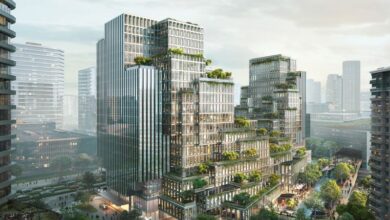
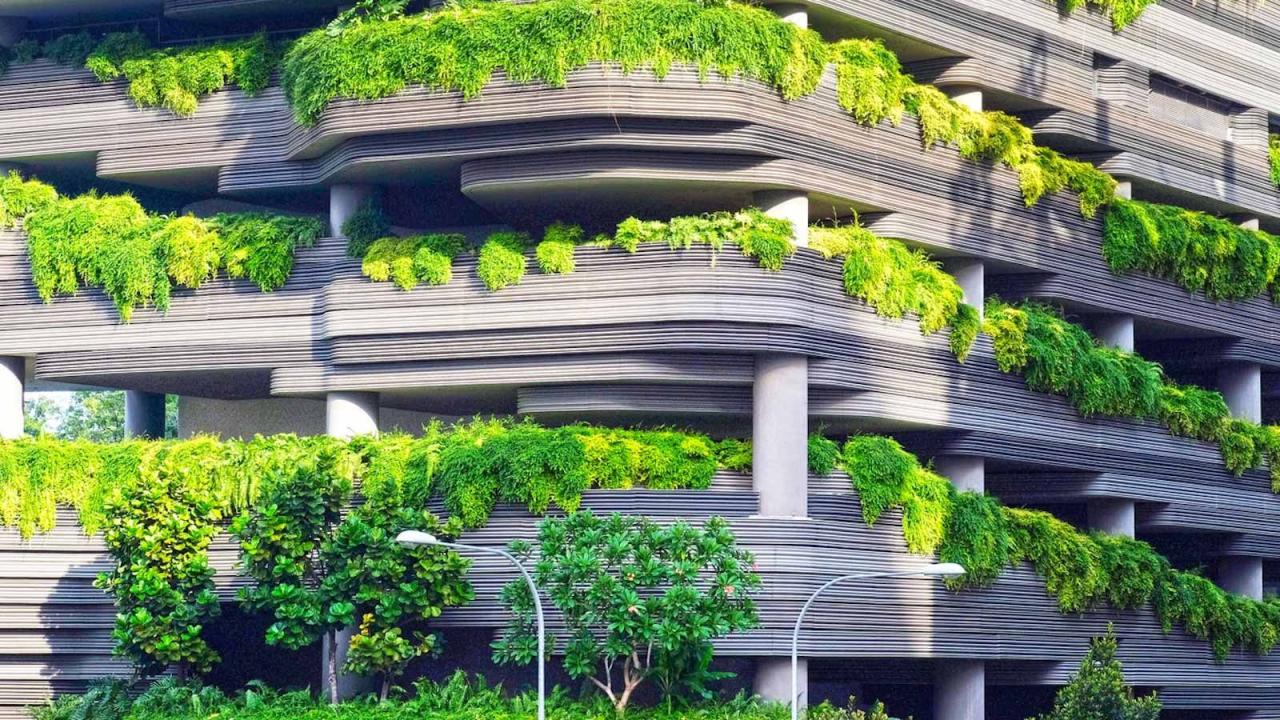
Living Walls and Green Roofs: Creating vertical gardens and rooftop ecosystems that provide insulation, habitat, and visual connection to living systems.
B. Indirect Nature Representation
Using natural patterns, materials, and forms:
-
Natural Materials: Incorporating wood, stone, bamboo, and other materials that retain their natural textures, patterns, and imperfections.
-
Natural Colors and Patterns: Employing color palettes found in nature and incorporating fractal patterns that mimic natural forms.
-
Biomimicry Principles: Designing structural systems, facades, and organizational patterns inspired by biological models and ecosystems.
-
Sensory Variability: Creating subtle, non-rhythmic sensory stimuli that mimic natural environments without overwhelming occupants.
C. Spatial Experience and Layout
Designing spaces that evoke natural environments:
-
Prospect and Refuge: Creating spaces that offer both overview of surroundings (prospect) and secure retreat areas (refuge).
-
Mystery and Discovery: Designing partially obscured views and curved pathways that promise more information if one explores further.
-
Complexity and Order: Balancing visual richness with coherent organization to create engaging yet comprehensible environments.
C. Implementation Strategies Across Building Types
Biophilic design principles adapt to various architectural contexts with specific approaches for different building functions.
A. Residential Applications
Creating homes that serve as restorative sanctuaries:
-
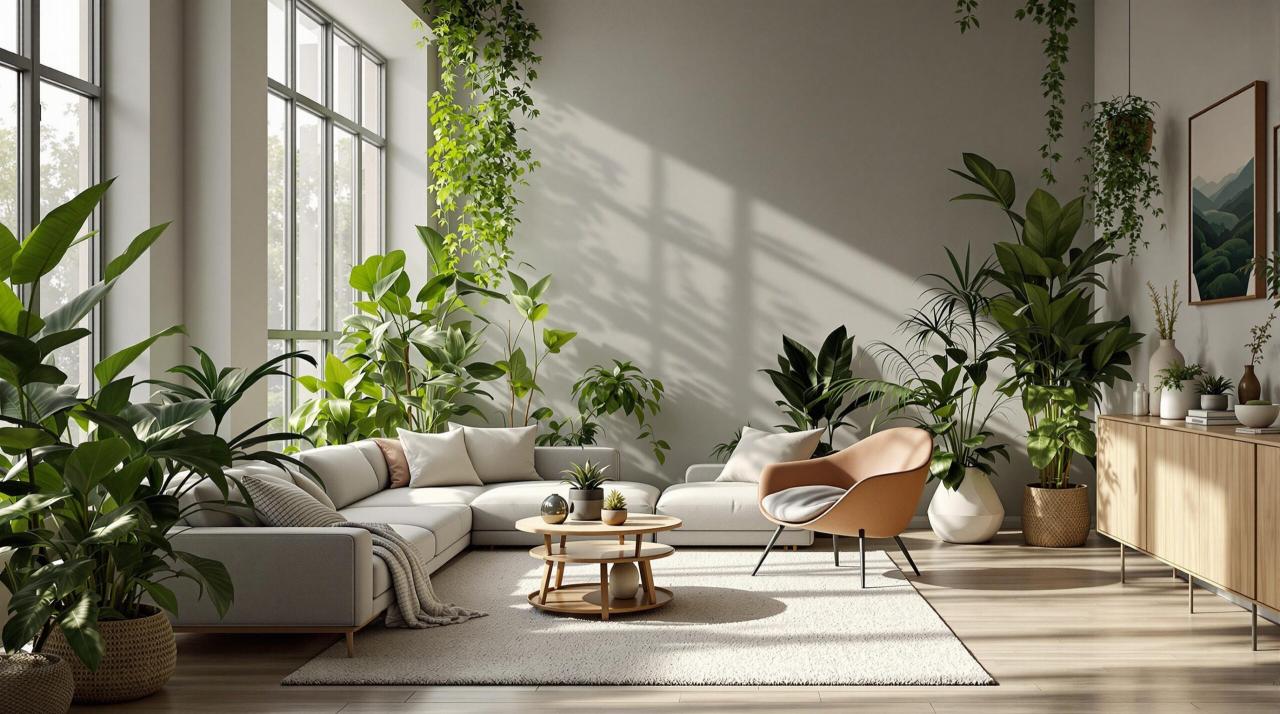
Indoor-Outdoor Connection: Large operable glass walls, consistent flooring materials, and strategic alignment of interior and exterior spaces.
-
Natural Material Selection: Using authentic materials throughout with visible grain, texture, and natural color variation.
-
Sensory Gardens: Designing outdoor spaces with attention to seasonal variation, fragrance, texture, and sound.
-
Circadian Lighting: Implementing lighting systems that mimic natural daylight patterns to support healthy sleep-wake cycles.
B. Workplace Integration
Designing offices that enhance well-being and performance:
-
Dynamic Lighting Systems: Automated systems that adjust color temperature and intensity throughout the day.
-
Thermal and Airflow Variability: Creating microclimates within larger spaces to allow personal comfort adjustment.
-
Breakout Spaces: Incorporating natural elements in areas designed for mental restoration and informal collaboration.
-
Acoustic Comfort: Using natural soundscapes and sound-absorbing materials to create optimal auditory environments.
C. Healthcare Environments
Supporting healing through nature integration:
-
Healing Gardens: Accessible outdoor spaces designed specifically for patient rehabilitation and staff respite.
-
Nature Distractions: Strategically placed natural elements along circulation routes and in waiting areas to reduce stress.
-
Patient Room Design: Optimizing bed placement for nature views and incorporating natural materials to create non-institutional atmospheres.
-
Sensory Modulation: Using natural elements to provide appropriate sensory stimulation for different patient needs.
D. Technological Innovations Supporting Biophilic Design
Modern technology enables more sophisticated and effective nature integration.
A. Advanced Living Wall Systems
Technology enhances the viability of vertical ecosystems:
-
Integrated Irrigation: Self-contained systems with automated watering and nutrient delivery.
-
Structural Integration: Engineering solutions that incorporate green walls into building envelopes and structural systems.
-
LED Supplementation: Customizable lighting systems that optimize plant health while contributing to ambient lighting.
-
Monitoring Systems: Sensors that track plant health and system performance, alerting maintenance staff when attention is needed.
B. Smart Building Integration
Biophilic elements connected to building management systems:
-
Responsive Shading: Automated systems that adjust based on sun position, weather conditions, and occupant preferences.
-
Air Quality Management: Systems that activate air-purifying plants and natural ventilation when pollutant levels rise.
-
Water Recycling: Closed-loop systems that filter and recirculate water through building features.
-
Energy Synergy: Designing biophilic elements that contribute to building energy performance through shading, insulation, and evaporative cooling.
E. Economic and Business Case Considerations
Understanding the financial implications and return on investment for biophilic design implementations.
A. Quantifiable Financial Benefits
Documented economic advantages of biophilic elements:
-
Employee Retention: Companies report 10-15% reduction in staff turnover following biophilic interventions, saving significant recruitment and training costs.
-
Healthcare Cost Reduction: Hospitals document lower medication costs and reduced staff burnout in biophilic environments.
-
Real Estate Value: Properties with high-quality biophilic elements command 5-7% higher rental premiums and experience lower vacancy rates.
-
Retail Performance: Stores with biophilic design report increased sales per square foot and higher customer satisfaction scores.
B. Implementation Cost Management
Strategies for cost-effective biophilic integration:
-
Phased Implementation: Starting with lower-cost elements like material selection and lighting, then adding more complex features over time.
-
Maintenance Planning: Designing systems with long-term maintenance requirements and costs in mind from the beginning.
-
Multi-Functional Elements: Selecting biophilic features that serve multiple purposes, such as green roofs that provide insulation, stormwater management, and social space.
F. Case Studies: Exemplary Biophilic Projects
Examining successful implementations provides valuable insights and inspiration.
A. Khoo Teck Puat Hospital, Singapore
This facility demonstrates comprehensive biophilic integration:
-
Healing Environment: The hospital features extensive gardens, water features, and natural ventilation throughout.
-
Community Integration: The design blurs boundaries between hospital and community, with public spaces and amenities.
-
Biodiversity Support: The site supports significant wildlife populations, including butterflies and birds.
-
Energy Performance: Natural ventilation and shading reduce mechanical cooling requirements by approximately 30%.
B. The Amazon Spheres, Seattle
An iconic workplace environment prioritizing nature connection:
-
Microclimate Creation: Three interconnected domes maintain tropical conditions year-round in temperate Seattle.
-
Worker Well-being: The spaces provide restorative environments for Amazon employees away from traditional desk settings.
-
Architectural Innovation: The glass and steel structure demonstrates technical achievement in creating controlled natural environments.
-
Symbolic Value: The spheres communicate Amazon’s commitment to innovative, human-centered workplace design.
C. The Bullitt Center, Seattle
A commercial building integrating biophilic principles with deep green performance:
-
Natural Systems Emphasis: The design prioritizes daylight, natural ventilation, and connection to surrounding landscape.
-
Material Authenticity: Structure and materials are expressed honestly throughout the building.
-
Occupant Control: Individuals can adjust their environmental conditions through operable windows and personal controls.
-
Living Building Certification: The project achieved one of the first Living Building Challenge certifications.
G. Implementation Challenges and Solutions
Addressing common obstacles to successful biophilic design implementation.
A. Technical and Maintenance Considerations
Practical challenges and their solutions:
-
Irrigation and Drainage: Designing integrated systems that manage water without damaging building structures.
-
Plant Selection: Choosing species appropriate for specific indoor conditions and maintenance capabilities.
-
Structural Loading: Engineering solutions for supporting green roofs and living walls.
-
Pest Management: Developing integrated pest management strategies for interior landscapes.
B. Cost and Value Perception
Addressing financial concerns:
-
Lifecycle Cost Analysis: Demonstrating long-term benefits that offset initial investment.
-
Phased Implementation: Spreading costs over multiple budget cycles.
-
Value Education: Helping stakeholders understand the full range of benefits beyond simple cost calculations.
H. Future Trends and Evolution
Biophilic design continues to evolve with new research, technologies, and applications.
A. Technological Integration
Emerging technologies enhancing biophilic possibilities:
-
Bio-responsive Facades: Building envelopes that adapt to environmental conditions using biological principles.
-
Advanced Materials: New materials that mimic natural properties while offering enhanced performance.
-
Virtual Nature: Using technology to provide nature experiences where direct connection isn’t possible.
-
Data-driven Design: Using biometric feedback to optimize biophilic interventions for specific user groups.
B. Scaling to Urban Planning
Applying biophilic principles at city scale:
-
Ecological Networks: Creating connected green infrastructure throughout urban areas.
-
Biophilic Cities: Municipal policies and programs that prioritize nature integration throughout the urban fabric.
-
Community Health: Using biophilic urban design to address public health challenges.
-
Climate Resilience: Leveraging natural systems for stormwater management, heat island mitigation, and carbon sequestration.
Conclusion: The Essential Nature of Biophilic Design
Biophilic design represents much more than an architectural trend—it embodies a fundamental recognition of humanity’s deep-seated need for connection with the natural world. As urbanization continues and technological immersion deepens, the importance of designing nature back into our daily lives becomes increasingly critical for individual well-being, community health, and environmental sustainability. The evidence is clear: spaces that incorporate meaningful natural elements make us healthier, more productive, more creative, and more content.
The most successful implementations demonstrate that biophilic design isn’t about adding decoration to buildings, but about reimagining our built environment as an extension of natural systems. It requires thoughtful integration of principles that respond to our biological inheritance while meeting contemporary functional requirements. As research continues to reveal new dimensions of the human-nature relationship, and as technology provides new tools for integration, the potential for biophilic design to transform our experience of the built environment continues to expand.
Looking forward, biophilic principles seem destined to move from specialized application to fundamental design requirement. The question is shifting from whether to incorporate nature into our buildings to how best to do so in each specific context. In embracing this approach, we have the opportunity to create environments that not only minimize harm to the natural world, but actively contribute to human and ecological flourishing—creating a built environment that feels less like an imposition on nature and more like an expression of our place within it.
Tags: Biophilic Design, Sustainable Architecture, Nature Integration, Healthy Buildings, Environmental Psychology, Green Architecture, Wellness Design, Urban Planning, Building Science, Ecological Design