The Quiet Revolution in Luxury Architecture


The Quiet Revolution in Luxury Architecture
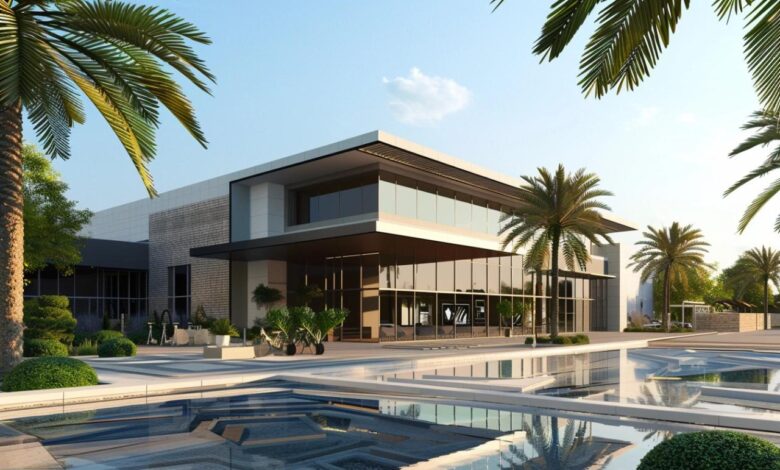
A profound transformation is reshaping the luxury architecture market as minimalist principles increasingly displace ornate, maximalist designs that long defined high-end residential and commercial spaces. This shift represents more than an aesthetic preference—it’s a philosophical realignment where luxury is redefined through spatial quality, material authenticity, and sensory experience rather than decorative abundance. Discerning clients are increasingly rejecting conspicuous consumption in favor of spaces that offer tranquility, connection to nature, and heightened awareness of light, texture, and proportion. From private residences that frame breathtaking landscapes to commercial spaces that prioritize human experience over visual noise, minimalist architecture is demonstrating that true luxury lies not in what you add, but in what you thoughtfully remove. This comprehensive analysis explores the cultural drivers behind this transformation, examines the technical mastery required to execute minimalist luxury, profiles pioneering architects and projects, and anticipates future directions as simplicity becomes the ultimate sophistication in architectural design.
A. The Cultural Evolution Driving Minimalist Luxury
Multiple societal shifts have converged to make minimalist architecture the preferred expression of contemporary luxury.
A.1. The Wellness Movement and Spatial Psychology
Modern luxury consumers increasingly prioritize mental and physical wellbeing, recognizing how their environments impact their health.
-
Cognitive Unloading Through Visual Simplicity: Neuroscience research demonstrates that cluttered environments increase cortisol levels, while clean, organized spaces promote mental clarity and reduce stress—making minimalist design a tool for cognitive wellness.
-
Biophilic Integration: Luxury minimalism increasingly incorporates natural elements not as decoration but as essential components, with architecture framing views, channeling natural light, and creating seamless transitions between interior and exterior environments.
-
Sensory Optimization: Rather than overwhelming the senses, luxury minimalism carefully curates sensory experiences—the texture of materials, quality of acoustics, and play of light and shadow—creating environments that are calming yet richly experiential.
A.2. Environmental Consciousness and Ethical Consumption
Sustainability has become an essential component of luxury, with minimalism offering both practical and philosophical alignment.
-
Material Honesty and Longevity: Minimalist architecture typically employs fewer materials but of higher quality, celebrating their natural characteristics rather than concealing them beneath finishes, and prioritizing durability over trend-driven decoration.
-
Energy Efficiency Through Design: The minimalist emphasis on spatial efficiency, orientation, and passive design strategies naturally reduces energy consumption, aligning luxury with environmental responsibility.
-
Circular Economy Principles: The minimalist preference for essential elements and adaptable spaces creates buildings that can evolve over time rather than requiring demolition and reconstruction as needs change.
A.3. Digital Fatigue and the Quest for Analog Experience
In an increasingly digital world, architectural minimalism provides a necessary counterbalance.
-
Digital Detox Environments: Luxury clients seek homes and spaces that offer respite from constant digital stimulation, with minimalist architecture creating calm backdrops that encourage presence and interpersonal connection.
-
Tactile Richness: As daily life becomes more virtual, luxury minimalism emphasizes physical materiality—the cool smoothness of honed stone, the warmth of oiled wood, the weight of solid doors—creating deeply satisfying haptic experiences.
-
Attention Restoration: Minimalist spaces free from visual clutter allow the mind to rest and recharge, making them increasingly valuable in an attention economy that constantly demands cognitive engagement.
B. The Technical Mastery of Minimalist Luxury
Executing minimalist architecture at a luxury level requires exceptional technical sophistication and attention to detail.
B.1. Precision Engineering and Invisible Technology
The simplicity of minimalist luxury belies extraordinary technical complexity.
-
Seamless Integration of Building Systems: Luxury minimalism requires concealing mechanical, electrical, and plumbing systems without compromising functionality, often involving custom solutions and coordination between trades that is far more complex than in conventional construction.
-
Structural Innovation for Spatial Purity: Achieving large, column-free spaces or dramatic cantilevers requires advanced engineering, with structural elements often carefully concealed or expressed as intentional design features.
-
Advanced Environmental Control: Maintaining comfort in largely glazed, open-plan minimalist spaces demands sophisticated HVAC systems with precise zoning, humidity control, and air filtration—all seamlessly integrated.
B.2. Material Selection and Craftsmanship
The material palette in luxury minimalism is typically restricted but executed with extraordinary care.
-
Natural Material Enhancement: Rather than applying finishes, luxury minimalism often enhances natural materials through precise cutting, finishing, and joining that highlights their inherent qualities.
-
Tactile Contrast and Harmony: While visually restrained, luxury minimalism carefully balances different textures—smooth against rough, warm against cool, hard against soft—to create rich sensory experiences without visual clutter.
-
Custom Fabrication: Standard construction products rarely suffice in luxury minimalism, necessitating custom-designed elements from door handles to lighting fixtures that align precisely with the architectural vision.
B.3. Spatial Composition and Experiential Sequencing
Luxury minimalism manipulates space and movement to create powerful experiences.
-
Proportional Perfection: Spaces are carefully proportioned using mathematical ratios and human scale to create environments that feel simultaneously grand and intimate.
-
Sequential Revelation: The experience of moving through minimalist luxury buildings is often carefully choreographed, with spaces unfolding gradually to create moments of discovery and drama.
-
Framed Views and Controlled Sightlines: Windows and openings are precisely positioned to frame specific views while concealing less desirable elements, turning the building itself into a viewing mechanism for its surroundings.
C. Pioneering Architects and Signature Projects
A generation of architects has refined minimalist luxury into a distinct architectural language.
C.1. Residential Masterpieces
Private homes represent the most personal expression of minimalist luxury.
-
Tadao Ando’s Concrete Poetry: The Japanese master demonstrates how raw concrete, precisely cast and carefully illuminated, can create spaces of profound spiritual quality, with projects like the Azuma House showing luxury through spatial experience rather than material expense.
-
Peter Zumthor’s Atmospheric Minimalism: Works like the Therme Vals spa and Kolumba Museum show how minimalism can engage all senses through material warmth, acoustic qualities, and the careful modulation of light.
-
John Pawson’s Essential Architecture: The British architect has defined contemporary minimalism through projects like the Life House in Wales, where every element is reduced to its essence, creating spaces of remarkable clarity and calm.
C.2. Hospitality and Commercial Applications
Minimalist principles are transforming luxury commercial spaces.
-
Aman Resorts’ Contextual Minimalism: This luxury hotel group has applied minimalist principles across global locations, creating spaces that feel simultaneously luxurious and deeply connected to their environments, from the desert to the jungle.
-
Apple Stores’ Branded Minimalism: The tech giant’s retail spaces, often designed with Foster + Partners, demonstrate how minimalism can serve commercial functions while creating iconic, uplifting public spaces.
-
Gallery and Museum Spaces: Institutions like the Pulitzer Arts Foundation in St. Louis show how minimalist architecture can create ideal conditions for experiencing art while being artistic statements in themselves.
C.3. Emerging Practitioners and Global Interpretations
A new generation is expanding minimalist luxury with regional variations.
-
African Minimalism: Architects like Ghanaian-British architect David Adjaye are developing minimalist approaches that respond to African light, landscapes, and cultural traditions while meeting global luxury standards.
-
Latin American Modernism: Practices like Brazil’s Studio MK27 are reinventing tropical modernism with minimalist sensibilities, using local materials and passive cooling strategies suited to their climate.
-
Scandinavian Refinement: Nordic architects are evolving their tradition of simplicity with increased material luxury and global sophistication while maintaining connection to light and nature.
D. Client Experience and Market Positioning
The appeal of minimalist luxury architecture reflects evolving definitions of status and quality of life.
D.1. The New Status Symbols
Luxury clients are increasingly expressing status through different values.
-
Space as Luxury: In dense urban environments, generous, uncluttered space has become the ultimate luxury, with minimalist architecture maximizing the experience of spatial volume.
-
Customization Over Brand Names: Rather than displaying recognizable luxury brands, minimalist luxury clients value completely custom-designed environments tailored precisely to their lifestyles.
-
Wellness Infrastructure: Features like advanced air and water filtration, circadian lighting systems, and dedicated spaces for meditation and fitness reflect a health-focused definition of luxury.
D.2. The Collector Mentality
Luxury minimalism appeals to clients who approach architecture as they would art collecting.
-
Architect as Artist: Clients seek out signature architects much as they would sought-after artists, valuing unique architectural visions over conventional solutions.
-
Conceptual Coherence: The most successful minimalist luxury projects maintain rigorous conceptual purity, appealing to clients who appreciate intellectual consistency in their environments.
-
Long-Term Value: Unlike trend-driven interiors, architecturally significant minimalist buildings often appreciate in value, making them investments as well as homes.
D.3. Global Mobility and Regional Identity
As wealthy clients become increasingly global, their architecture reflects complex relationships with place.
-
Contextual Responsiveness: The best minimalist luxury architecture responds specifically to its site, climate, and cultural context, creating unique sense of place rather than generic international style.
-
Portable Aesthetics: Clients who maintain multiple residences often appreciate the continuity of a minimalist aesthetic that can be adapted to different locations while maintaining design coherence.
-
Cultural Synthesis: Global clients frequently seek architecture that synthesizes their international experiences with local traditions, with minimalism providing a flexible framework for this integration.
E. Future Directions and Evolving Expressions
Minimalist luxury continues to evolve with new technologies, materials, and cultural influences.
E.1. Technological Integration and Smart Minimalism
Technology is becoming seamlessly embedded in minimalist environments.
-
Invisible Technology: The challenge for future minimalist luxury will be integrating increasingly complex smart home systems, robotics, and virtual interfaces without visual intrusion.
-
Adaptive Environments: Spaces that can transform for different uses through movable partitions, adjustable acoustics, and changing lighting scenarios will add functional flexibility to minimalist aesthetics.
-
Sustainable Technology Integration: Advanced energy generation, water recycling, and material reclamation systems will need architectural expression that aligns with minimalist principles.
E.2. Material Innovation and Craft Evolution
New materials and fabrication techniques are expanding minimalist possibilities.
-
Engineered Natural Materials: Developments in mass timber, bio-based polymers, and cultivated stone offer new options that combine natural aesthetics with technical performance.
-
Digital Craftsmanship: Robotic fabrication and 3D printing enable new forms of customization and precision that align with minimalist values of exactitude and refinement.
-
Circular Material Flows: As circular economy principles advance, luxury minimalism may incorporate more reclaimed and repurposed materials, adding narrative depth to material selections.
E.3. Wellness Integration and Experiential Enhancement
The connection between architecture and wellbeing will continue to deepen.
-
Neuroscience-Informed Design: Emerging research on how spatial characteristics affect brain function may inform future minimalist designs optimized for creativity, relaxation, or social connection.
-
Multi-Sensory Environments: Beyond visual simplicity, future minimalist luxury may more deliberately engage all senses through carefully calibrated acoustic properties, olfactory environments, and thermal variation.
-
Generational Evolution: As younger generations inherit wealth, their digital native experiences may shape new forms of minimalism that balance analog tranquility with seamless digital integration.
Conclusion: The Enduring Appeal of Essential Architecture
The ascendance of minimalist architecture within the luxury market represents a maturation of consumer values and architectural philosophy. In an increasingly complex, chaotic, and cluttered world, the clear thinking and spatial clarity of minimalism offer not just aesthetic pleasure but genuine psychological and emotional benefits. The luxury of the future appears to be moving away from accumulation and display toward curation and experience—and minimalist architecture provides the perfect physical framework for this evolution. The most compelling minimalist luxury projects demonstrate that reduction does not mean deprivation; rather, it creates the conditions for more profound experiences of space, materials, light, and landscape. As environmental concerns, digital saturation, and pace of life continue to intensify, the value of architecture that offers respite, clarity, and connection will only increase. In this context, minimalist architecture is not a passing trend but a logical and lasting evolution of how we conceive of luxury—proving that sometimes, the most luxurious thing you can offer someone is space to breathe, think, and simply be.
Tags: minimalist architecture, luxury design, modern architecture, sustainable luxury, architectural minimalism, luxury homes, contemporary design, spatial design, luxury real estate, architectural trends, minimalist luxury, wellness architecture