Architectural Innovation Reshapes Sustainable Cities

The Urban Sustainability Revolution
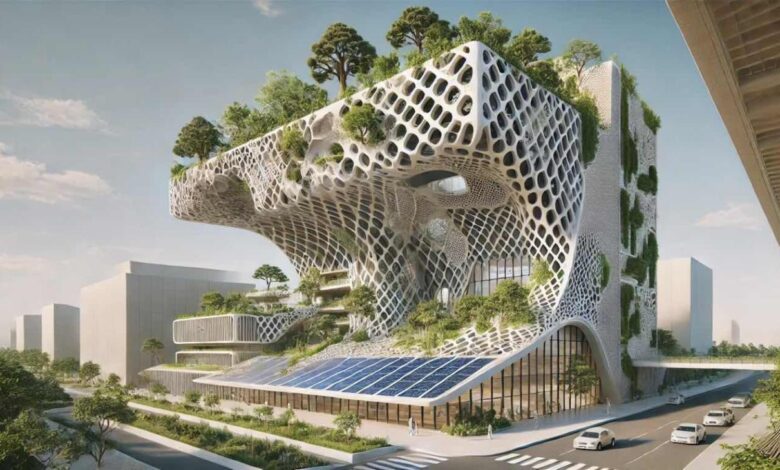
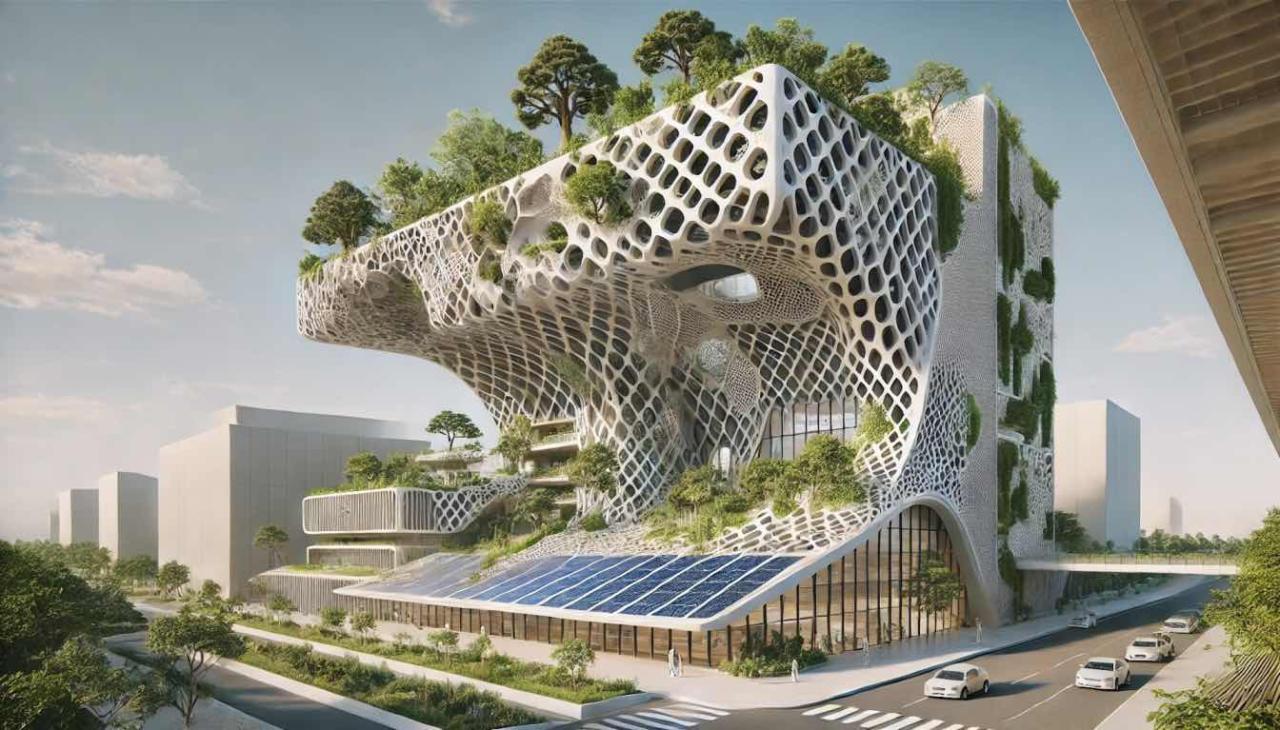
Contemporary architecture is undergoing a profound transformation as visionary architects fundamentally redefine what constitutes sustainable urban living. Moving beyond conventional green building practices, today’s architectural pioneers are creating integrated urban ecosystems that address the interconnected challenges of climate change, resource scarcity, and social equity. This paradigm shift represents a comprehensive reimagining of the urban fabric—where buildings function not as isolated entities but as active contributors to ecological regeneration, community wellbeing, and economic resilience. From vertical neighborhoods that produce their own food and energy to adaptive reuse projects that transform urban liabilities into community assets, architects are demonstrating that sustainable cities can be not just environmentally responsible but more livable, beautiful, and economically vibrant. This comprehensive analysis explores the innovative strategies reshaping urban environments, the technologies enabling these transformations, and the emerging models that point toward a more sustainable urban future.
A. The Expanded Framework of Urban Sustainability
Modern architectural approaches to sustainability have evolved beyond energy efficiency to encompass a holistic urban ecosystem perspective.
A.1. Regenerative Design Principles
Architects are moving beyond minimizing environmental harm to creating buildings that actively improve their urban contexts.
-
Carbon-Positive Urban Developments: Projects like Copenhagen’s Nordhavn district demonstrate how integrated design can create neighborhoods that sequester more carbon than they emit through strategic material selection, renewable energy generation, and urban greening strategies.
-
Biodiversity Enhancement: Architects are designing buildings that incorporate habitat creation, from bird-friendly facades to pollinator gardens, recognizing that urban biodiversity is essential for ecosystem health and human wellbeing.
-
Water-Regenerative Systems: Innovative projects like the Bullitt Center in Seattle treat and reuse all water on-site while managing stormwater in ways that replenish local aquifers rather than overwhelming municipal systems.
A.2. Circular Economy Integration
The construction industry’s traditional linear model (extract, manufacture, dispose) is being replaced by circular approaches that eliminate waste.
-
Buildings as Material Banks: Architects are designing structures with disassembly and material reuse in mind, creating digital inventories of building components that can be repurposed rather than landfilled at end of life.
-
Adaptive Reuse as Carbon Strategy: Transforming existing buildings represents a powerful carbon reduction strategy, with architects developing innovative approaches to retrofitting outdated structures for contemporary uses while preserving embodied energy.
-
Local Material Sourcing: Reducing transportation emissions through regional material selection has become a design priority, with architects rediscovering local building traditions and materials while meeting modern performance standards.
A.3. Social Sustainability and Community Health
True urban sustainability encompasses social dimensions that support human flourishing.
-
Health-Promoting Environments: Architects are incorporating evidence-based design strategies that improve physical and mental health through access to nature, air quality management, and spaces that encourage social connection and physical activity.
-
Equitable Access to Amenities: Sustainable urban design ensures that green spaces, healthy food options, cultural facilities, and transportation alternatives are accessible to all residents regardless of income or background.
-
Community Resilience Hubs: Buildings are being designed to serve multiple functions, including emergency response capabilities during climate events or other disruptions, strengthening community resilience.
B. Technological Enablers of Sustainable Urban Architecture
Cutting-edge technologies are providing architects with unprecedented tools for creating sustainable urban environments.
B.1. Advanced Building Performance Modeling
Sophisticated simulation tools allow architects to optimize designs before construction begins.
-
Climate-Responsive Computational Design: Algorithms can generate building forms that respond precisely to local solar paths, wind patterns, and temperature variations, reducing energy demands through passive design strategies.
-
Life Cycle Assessment Integration: Digital tools now enable architects to calculate the full environmental impact of their material and system choices from extraction through disposal, informing more sustainable decisions.
-
Microclimate Analysis: Advanced modeling can predict how buildings will affect their immediate surroundings, allowing designs that improve rather than degrade local environmental conditions.
B.2. Smart Building Systems and IoT Integration
Connectivity and data analytics are enabling buildings to operate with unprecedented efficiency.
-
Predictive Energy Management: AI-driven systems can anticipate energy needs based on weather forecasts, occupancy patterns, and utility pricing, optimizing consumption while maintaining comfort.
-
Integrated Resource Monitoring: Comprehensive sensor networks provide real-time data on energy, water, and material flows, enabling continuous optimization and early problem detection.
-
Responsive Building Envelopes: Dynamic facades that adjust to changing conditions can optimize daylighting, solar heat gain, and natural ventilation, significantly reducing mechanical system demands.
B.3. Sustainable Material Innovations
New materials and construction methods are reducing the environmental impact of the built environment.
-
Carbon-Storing Materials: Products like mass timber, hempcrete, and bio-based insulation actually remove carbon from the atmosphere while providing high-performance building solutions.
-
High-Recycled Content Composites: New structural and finish materials incorporate significant percentages of post-consumer and post-industrial waste without compromising performance or aesthetics.
-
Self-Healing and Adaptive Materials: Emerging technologies promise materials that can repair damage, adjust properties in response to environmental conditions, or even capture pollutants from the air.

C. Transformative Urban Models and Case Studies
Pioneering projects worldwide demonstrate how architectural innovation is creating new paradigms for sustainable urban living.
C.1. Vertical Urbanism and Density Solutions
As cities grow upward rather than outward, architects are reimagining the tall building typology.
-
Mixed-Use Vertical Neighborhoods: Projects like Singapore’s Pinnacle@Duxton integrate residential, commercial, recreational, and agricultural functions within single structures, reducing transportation needs while creating complete communities.
-
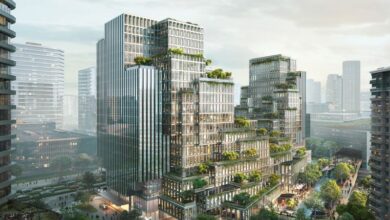
Sky Gardens and Vertical Ecology: Buildings like Stefano Boeri’s Bosco Verticale in Milan demonstrate how high-rises can incorporate significant vegetation, creating habitat while improving air quality and reducing urban heat island effect.
-
Community-Oriented Towers: New high-density housing models include generous shared spaces that foster social interaction and community building, countering the isolation sometimes associated with high-rise living.
C.2. Adaptive Reuse and Urban Regeneration
Transforming existing building stock represents a powerful sustainability strategy.
-
Post-Industrial Site Transformation: Projects like Toronto’s Evergreen Brick Works show how derelict industrial facilities can become community hubs that celebrate historical heritage while incorporating cutting-edge sustainable design.
-
Commercial to Residential Conversions: The adaptive reuse of outdated office buildings addresses housing shortages while preserving embodied energy and reducing construction waste.
-
Infrastructure Repurposing: Visionary projects like New York’s High Line demonstrate how obsolete infrastructure can become new green corridors that reconnect neighborhoods and provide ecological benefits.
C.3. Climate-Responsive Regional Architectures
The most successful sustainable designs respond specifically to their geographic and cultural contexts.
-
Arid Region Strategies: In desert cities, architects are reviving ancient cooling techniques like wind catchers and courtyard planning while integrating modern materials and technologies.
-
Tropical Urbanism: In humid climates, designs prioritize natural ventilation, rainwater harvesting, and solar shading while managing intense rainfall and biodiversity.
-
Cold Climate Innovations: In northern cities, architects are optimizing solar gain while protecting against heat loss, managing snow loads, and creating inviting public spaces despite challenging weather conditions.
D. Implementation Challenges and Strategic Solutions
The path to sustainable urban architecture faces significant barriers that require innovative approaches.
D.1. Economic and Regulatory Hurdles
Sustainable innovation often confronts established economic models and regulatory frameworks.
-
First Cost vs. Lifecycle Value: Architects are developing new tools and communication strategies to demonstrate how sustainable features deliver long-term value despite sometimes higher initial investments.
-
Performance-Based Regulation: Progressive architects are working with municipalities to replace prescriptive building codes with performance-based standards that encourage innovation while ensuring safety and accessibility.
-
Financing Innovation: New models like green bonds, property-assessed clean energy financing, and energy performance contracting are making sustainable features more financially accessible.
D.2. Technical and Knowledge Barriers
Implementing cutting-edge sustainable design requires new technical expertise and collaboration models.
-
Integrated Design Processes: Successful sustainable projects typically involve architects, engineers, contractors, and clients collaborating from the earliest design phases rather than working sequentially.
-
Continuous Education: The rapid evolution of sustainable technologies requires architects to engage in lifelong learning and knowledge sharing across the profession.
-
Performance Verification: Post-occupancy evaluation and performance monitoring are essential for closing the loop between design intentions and actual outcomes, enabling continuous improvement.
D.3. Social and Cultural Considerations
Sustainable architecture must respond to diverse community needs and values.
-
Community Engagement: Meaningful participation processes ensure that sustainable designs address local priorities and incorporate community knowledge.
-
Cultural Sensitivity: The most successful sustainable architecture responds to local cultural traditions, aesthetic preferences, and ways of living rather than imposing universal solutions.
-
Gentrification Mitigation: As sustainable improvements increase property values, architects are developing strategies to maintain affordability and prevent displacement of existing residents.
E. Future Directions and Emerging Opportunities
Sustainable urban architecture continues to evolve with new technologies, research findings, and changing urban priorities.
E.1. Climate Adaptation and Resilience Focus
As climate impacts intensify, architecture is increasingly focused on adaptation rather than just mitigation.
-
Flood-Resilient Design: In coastal and riverine cities, architects are creating amphibious buildings, deployable flood barriers, and ground floors designed to withstand occasional inundation.
-
Heat Mitigation Strategies: As urban heat islands intensify, architects are incorporating reflective materials, green roofs and walls, and passive cooling techniques that reduce mechanical cooling demands.
-
Climate Migration Preparedness: Some architects are designing flexible structures that can accommodate population shifts resulting from climate impacts in other regions.
E.2. Biointegration and Ecological Urbanism
The boundary between built and natural environments is becoming increasingly blurred.
-
Living Building Materials: Research into self-healing concrete, biocement, and building-integrated algae cultivation points toward a future where buildings actively participate in biological processes.
-
Urban Metabolism Optimization: Architects are designing buildings that contribute positively to urban ecological flows, processing waste, generating energy, and supporting biodiversity.
-
Agricultural Integration: The distinction between urban and agricultural functions is dissolving as buildings incorporate food production through vertical farms, aquaponics, and productive facades.
E.3. Digital Transformation and Democratization
Technology is making sustainable design more accessible and responsive.
-
Democratized Design Tools: Platforms that make sophisticated environmental analysis available to non-experts are empowering communities to participate more meaningfully in shaping their environments.
-
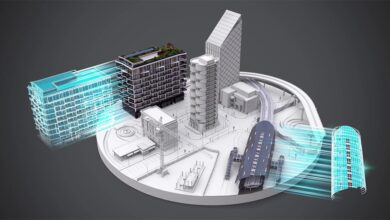
Digital Twins and Urban Management: Virtual replicas of cities enable more coordinated planning, better resource management, and more responsive urban systems.
-
Blockchain for Sustainability Verification: Distributed ledger technologies offer new ways to track material origins, energy performance, and maintenance histories, increasing transparency and accountability.
Conclusion: The Inevitable Integration of Sustainability and Urbanism
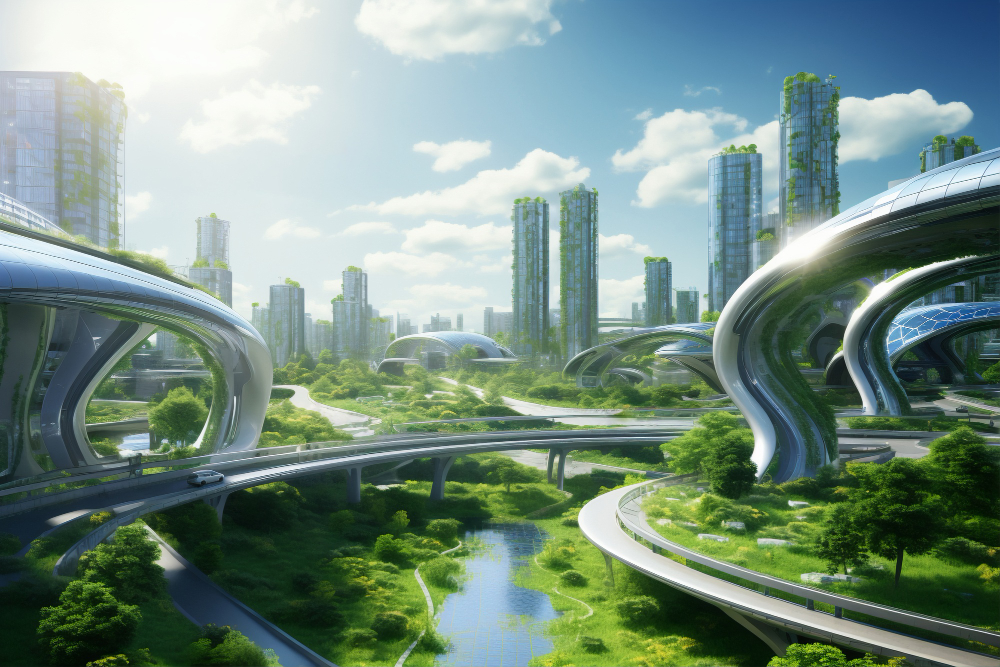
The architectural profession’s redefinition of sustainable urban living represents more than a technical adjustment—it signals a fundamental transformation in how we conceive of and inhabit cities. The most compelling contemporary architecture demonstrates that sustainability and urban vitality are not just compatible but mutually reinforcing. Buildings and neighborhoods designed with deep ecological understanding tend to be more comfortable, more beautiful, more economically resilient, and more supportive of human community. As climate challenges intensify and urban populations grow, the integration of sustainability principles into all aspects of urban design will evolve from progressive choice to essential practice. The architects leading this transformation understand that truly sustainable cities are not just environmentally responsible but more humane, more interesting, and more joyful places to live. In this context, sustainable urban architecture represents not a limitation on design creativity but its most compelling contemporary expression—proving that the cities we need for our survival can also be the cities we desire for our flourishing.
Tags: sustainable architecture, urban design, green buildings, sustainable cities, eco-friendly design, urban planning, climate-responsive architecture, sustainable development, green infrastructure, environmental design, regenerative architecture, urban sustainability