Adaptive Reuse Revolutionizes Contemporary Architecture

The Architecture of Transformation
In an era increasingly defined by resource consciousness and cultural preservation, adaptive reuse has emerged as one of the most creative and sustainable approaches in contemporary architecture. This design philosophy—breathing new life into existing structures—represents far more than practical conservation; it’s a sophisticated design strategy that blends historical reverence with innovative thinking. From abandoned industrial facilities transformed into vibrant cultural centers to outdated office buildings reimagined as residential communities, adaptive reuse projects are demonstrating how architectural creativity flourishes within constraints. This movement challenges the conventional demolition-and-rebuild paradigm, instead viewing existing structures as valuable repositories of embodied energy, cultural memory, and architectural character. As cities worldwide grapple with issues of sustainability, housing affordability, and cultural identity preservation, adaptive reuse offers compelling solutions that honor the past while serving contemporary needs. This comprehensive analysis explores the multifaceted dimensions of adaptive reuse, its technical and design challenges, exemplary projects worldwide, and its growing significance in shaping sustainable urban futures.
A. The Driving Forces Behind the Adaptive Reuse Movement
Multiple cultural, economic, and environmental factors have converged to make adaptive reuse an increasingly central architectural strategy.
A.1. Environmental Imperatives and Sustainable Development
The construction industry’s environmental impact has positioned adaptive reuse as an essential sustainability strategy.
-
Embodied Energy Preservation: Existing buildings represent significant investments of energy already expended in their materials and construction. Reusing structures preserves this embodied energy, with studies showing that adaptive reuse typically saves 50-75% of the embodied carbon compared to new construction.
-
Construction Waste Reduction: The building sector generates approximately 40% of global landfill waste. Adaptive reuse dramatically reduces this waste stream by repurposing existing structures rather than demolishing them.
-
Urban Infill and Sprawl Reduction: By reactivating existing building stock, adaptive reuse supports denser urban development patterns that reduce automobile dependence and preserve surrounding natural and agricultural lands.
A.2. Economic Viability and Urban Regeneration
Adaptive reuse has proven to be not just environmentally responsible but economically advantageous.
-
Development Cost Efficiency: While sometimes presenting unexpected challenges, adaptive reuse projects often have lower overall development costs than new construction, particularly when factoring in site preparation and infrastructure requirements for new buildings.
-
Historic Tax Incentives: Many jurisdictions offer significant tax credits for preserving and repurposing historic structures, improving project financial feasibility while preserving cultural heritage.
-
Neighborhood Revitalization Catalyst: Strategic adaptive reuse projects often spark broader urban regeneration, increasing property values, attracting new investment, and revitalizing declining neighborhoods.
A.3. Cultural Preservation and Community Identity
In an increasingly homogenized global building culture, adaptive reuse maintains local character and historical continuity.
-
Architectural Heritage Conservation: Adaptive reuse preserves architecturally significant buildings that represent important periods, styles, or construction techniques, maintaining tangible connections to architectural history.
-
Community Memory Anchoring: Repurposed buildings often serve as physical anchors for community identity, maintaining continuity amid urban change and preserving spaces that hold collective memory.
-
Cultural Layer Interpretation: The best adaptive reuse projects make visible the layers of history within a structure, telling the story of its evolution rather than erasing its past.
B. Typologies and Transformation Strategies
Adaptive reuse encompasses diverse approaches tailored to specific building types and contexts.
B.1. Industrial Heritage Reinvention
Former industrial structures offer unique opportunities for dramatic transformation.
-
Scale and Volume Exploitation: Industrial buildings often feature expansive, flexible volumes that can accommodate diverse new uses, from cultural institutions to creative workplaces.
-
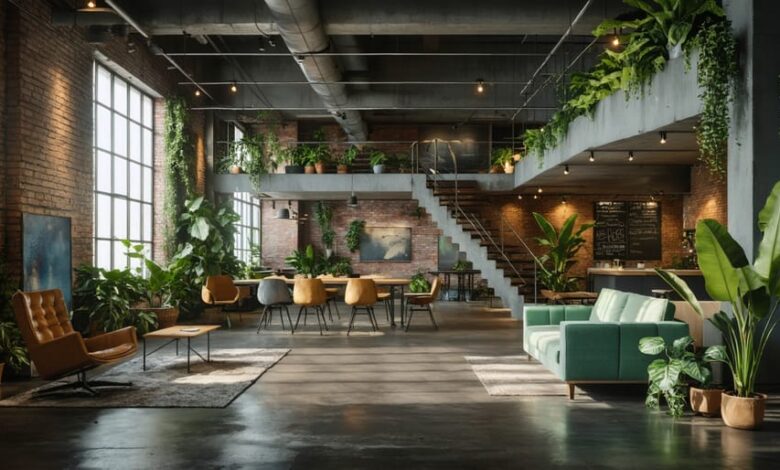
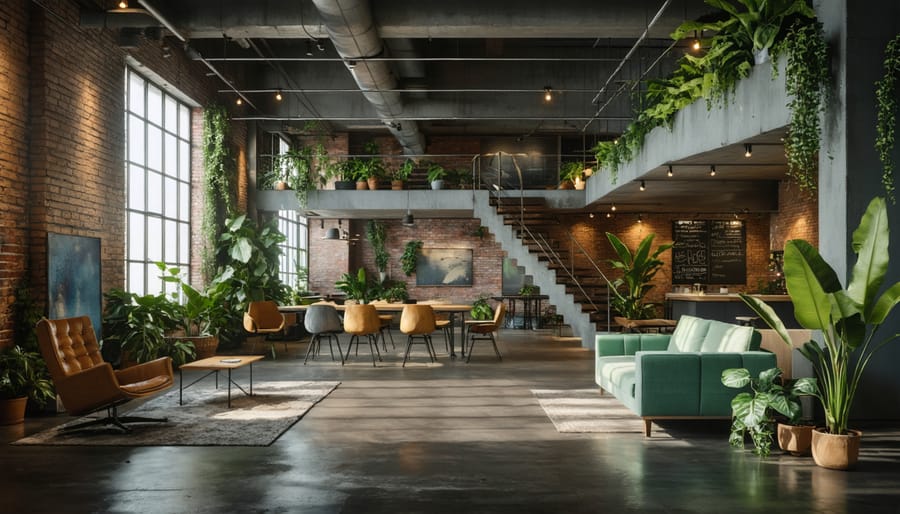
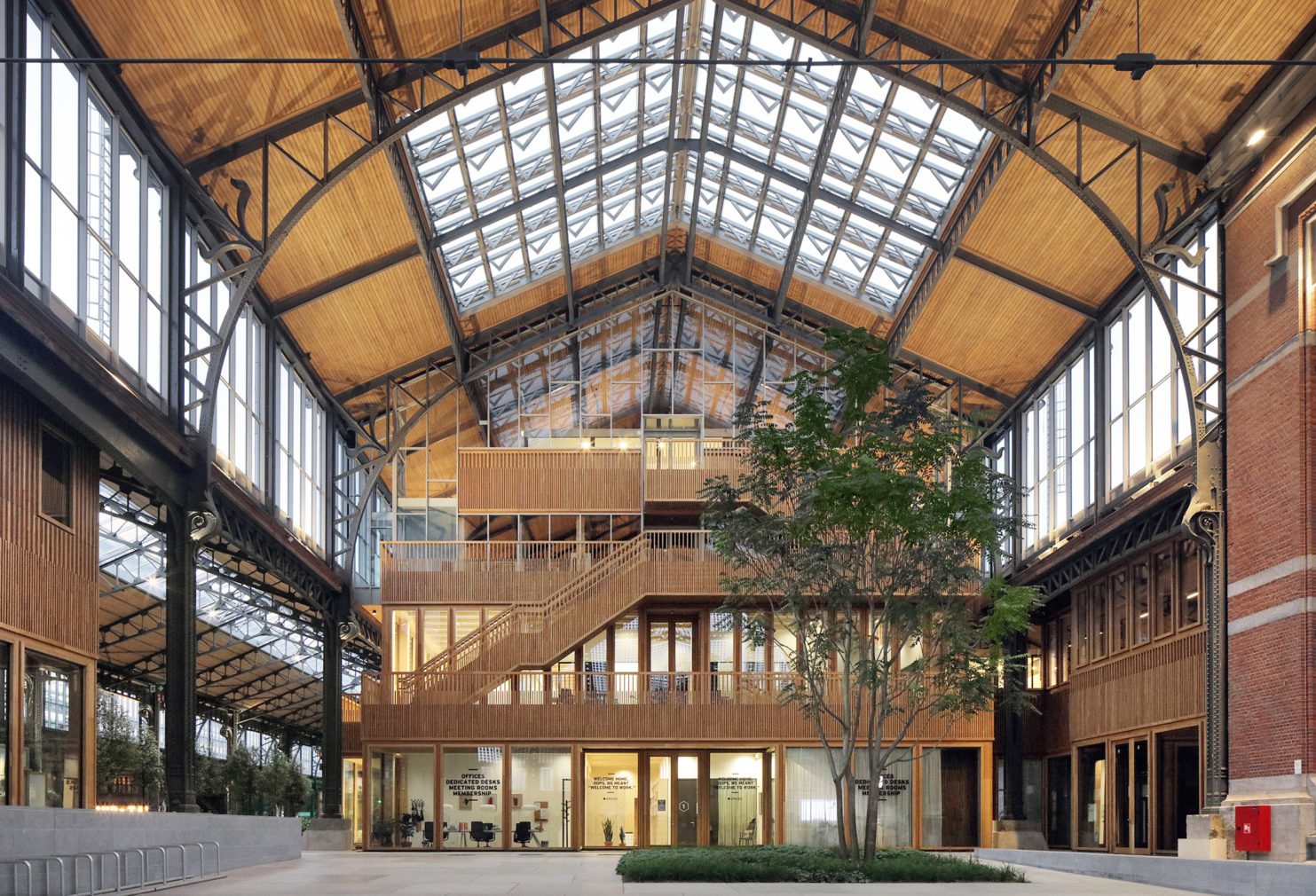
Structural Expression Celebration: Many adaptive reuse projects highlight original industrial structural systems, celebrating their functional beauty while integrating contemporary interventions.
-
Material Pallette Integration: The robust materiality of industrial buildings—brick, timber, steel, concrete—provides rich textural backdrops for new architectural insertions.
B.2. Commercial and Institutional Conversions
Changing functional needs are driving creative repurposing of commercial and institutional buildings.
-
Office-to-Residential Transformations: The post-pandemic office vacancy crisis has accelerated conversion of outdated office buildings into housing, requiring innovative solutions for floor plate depth, natural light, and residential amenity integration.
-
Religious Building Adaptations: As religious practice patterns change, sacred buildings are being respectfully repurposed for community, cultural, or commercial uses while preserving their spiritual character.
-
Educational Facility Reuse: Obsolete schools and universities are being transformed into mixed-use developments that maintain their community-serving functions while addressing contemporary needs.
B.3. Infrastructure and Nontraditional Structure Repurposing
Ambitious projects are reimagining infrastructure elements as architectural opportunities.
-
Transportation Infrastructure: Abandoned rail lines, subway stations, and transportation hubs are being transformed into public spaces, cultural venues, and commercial establishments.
-
Waterfront Industrial Elements: Former docks, warehouses, and maritime facilities are being repurposed to reconnect cities with their waterfronts while preserving industrial heritage.
-
Utility Structure Conversions: Even highly specialized structures like water towers, gasworks, and electrical substations are finding new lives through creative adaptation.

C. Design Methodologies and Technical Approaches
Successful adaptive reuse requires specific design strategies and technical solutions.
C.1. Historical Analysis and Contextual Understanding
Thorough understanding of existing structures informs appropriate intervention strategies.
-
Forensic Investigation Techniques: Advanced technologies including laser scanning, ground-penetrating radar, and material analysis help architects understand original construction methods and current building conditions.
-
Historical Research Integration: Archival research uncovers a building’s original design intent, construction history, and evolving uses, informing respectful yet contemporary interventions.
-
Significance Assessment: Evaluating which elements possess historical, architectural, or cultural significance guides decisions about preservation, restoration, or transformation.
C.2. Intervention Strategies and Architectural Language
Architects have developed nuanced approaches to integrating new elements within existing structures.
-
Contrast and Juxtaposition: Many projects deliberately contrast new interventions with existing fabric, using contemporary materials and forms that clearly distinguish additions while respecting the original.
-
Material Continuity and Mimicry: Some approaches extend original material palettes or architectural languages in new construction, creating seamless transitions between old and new.
-
Reversibility and Legibility: Thoughtful interventions are often designed to be reversible, ensuring that future generations can understand original conditions and make their own adaptations.
C.3. Technical Challenges and Innovative Solutions
Adaptive reuse presents unique technical challenges that demand creative problem-solving.
-
Structural Upgrades and Integration: Integrating contemporary structural requirements within existing frameworks often requires innovative engineering solutions that respect original structural logic.
-
Building Performance Enhancement: Improving energy efficiency, acoustics, and environmental comfort in existing buildings demands customized approaches quite different from new construction.
-
Regulatory Compliance Navigation: Meeting contemporary building codes, accessibility requirements, and safety standards within historical constraints requires close collaboration with regulatory authorities and often special approvals.
D. Exemplary Projects and Global Case Studies
Groundbreaking adaptive reuse projects worldwide demonstrate the creative potential of architectural transformation.
D.1. Cultural Institution Transformations
Cultural adaptations often set benchmarks for creative reuse.
-
Tate Modern, London: Herzog & de Meuron’s transformation of a massive power station into one of the world’s most visited museums demonstrates how industrial scale can be harnessed for cultural experience while preserving the building’s powerful industrial character.
-
The Shed, New York: Diller Scofidio + Renfro’s adaptive reuse of an existing structure with a telescoping outer shell creates a flexible cultural venue that transforms its relationship to its context.
-
Zeitz MOCAA, Cape Town: Heatherwick Studio’s conversion of grain silos into a contemporary art museum shows how highly specific industrial architecture can be reimagined for dramatic cultural purposes.
D.2. Commercial and Hospitality Conversions
Creative commercial adaptations demonstrate the economic viability of reuse.
-
The High Line, New York: While primarily landscape architecture, this project demonstrates how obsolete infrastructure can be transformed into a new typology that revitalizes entire neighborhoods.
-
Ace Hotel London: This conversion of a former Crowne Plaza hotel preserved the building’s brutalist character while creating a highly successful hospitality experience that celebrates rather than conceals its history.
-
Google’s King’s Cross Campus, London: The tech giant’s adaptation of former industrial buildings creates a workplace that maintains historical character while supporting contemporary work patterns.
D.3. Residential and Mixed-Use Innovations
Housing adaptations address urban living needs while preserving building stock.
-
The Standard, High Line, New York: This adaptation of an existing building with dramatic new additions shows how reuse can be combined with new construction to create iconic results.
-
The Waterhouse at South Bund, Shanghai: Neri&Hu’s transformation of 1930s Japanese army headquarters into a boutique hotel demonstrates sophisticated layering of historical narrative with contemporary design.
-
Zoku Amsterdam: This hybrid hospitality-residential concept repurposes an office building into a new typology of long-stay accommodation that responds to changing work and travel patterns.
E. Implementation Challenges and Strategic Solutions
Despite its benefits, adaptive reuse faces significant implementation hurdles that require strategic approaches.
E.1. Economic and Feasibility Considerations
Financial challenges often present the primary barrier to adaptive reuse projects.
-
Uncertainty Management: Existing buildings often contain unexpected conditions that can impact budgets and schedules. Contingency planning and phased investigation help manage these uncertainties.
-
Value Engineering Approaches: Creative problem-solving can often achieve design goals through less expensive means than initially anticipated, preserving project vision while controlling costs.
-
Phased Development Strategies: Sometimes implementing a project in phases allows earlier revenue generation that funds subsequent development stages.
E.2. Regulatory and Approval Processes
Navigating complex regulatory environments requires specific strategies.
-
Historic Preservation Collaboration: Early engagement with preservation authorities establishes shared understanding of significant elements and appropriate intervention approaches.
-
Code Modification Requests: Many jurisdictions allow modifications to contemporary code requirements when strict compliance would threaten historic fabric or project feasibility.
-
Stakeholder Engagement: Meaningful engagement with community stakeholders often generates support that facilitates regulatory approvals.
E.3. Technical and Design Integration
Blending old and new building systems demands technical creativity.
-
Services Integration: Designing contemporary mechanical, electrical, and plumbing systems within existing structural constraints often requires custom solutions and careful coordination.
-
Material Compatibility: Understanding how new materials will interact with existing ones over time is essential for long-term performance and durability.
-
Construction Sequencing: The logistics of working within existing structures often require innovative construction sequencing and protection of significant existing elements.
F. Future Directions and Evolving Possibilities
Adaptive reuse continues to evolve with new technologies, changing urban conditions, and expanding design approaches.
F.1. Technological Enablers and Digital Tools
New technologies are expanding what’s possible in adaptive reuse.
-
Digital Documentation and Analysis: Advanced scanning and modeling technologies enable more comprehensive understanding of existing conditions before design begins.
-
Prefabricated Integration: Custom prefabricated elements can be designed to fit precisely within existing structures, reducing on-site construction time and disruption.
-
Performance Simulation: Sophisticated modeling can predict how proposed interventions will affect building performance, enabling more informed design decisions.
F.2. New Programmatic Opportunities
Changing urban conditions are creating opportunities for new types of adaptive reuse.
-
Post-Pandemic Building Conversions: The significant changes in how we work, shop, and learn are making certain building types obsolete while creating demand for others, driving new conversion opportunities.
-
Climate Adaptation Integration: Adaptive reuse projects increasingly incorporate climate resilience strategies, repurposing buildings while enhancing their ability to withstand changing environmental conditions.
-
Community Resource Creation: There is growing interest in adapting buildings to serve as community resources—food production, renewable energy generation, social services—addressing broader urban challenges.
F.3. Philosophical Evolution and Design Approaches
The conceptual framework for adaptive reuse continues to develop.
-
Metabolic Building Approaches: Viewing buildings as material banks that can be continually adapted and reconfigured rather than as fixed entities.
-
Landscape and Infrastructure Integration: Expanding adaptive reuse beyond buildings to include landscape and infrastructure elements at larger scales.
-
Social Equity Considerations: Ensuring that adaptive reuse projects benefit existing communities rather than displacing them, using preservation as a tool for social continuity.
Conclusion: The Creative Future of Existing Architecture
Adaptive reuse has evolved from niche preservation activity to central architectural strategy, demonstrating that some of the most innovative contemporary architecture emerges not from blank slates but from thoughtful engagement with existing structures. This approach represents a maturation of architectural practice—one that values resource efficiency, cultural continuity, and creative problem-solving alongside formal innovation. The most compelling adaptive reuse projects demonstrate that architectural creativity flourishes within constraints, producing solutions that are often more interesting, more sustainable, and more meaningful than what might have been created on a clear site. As environmental concerns intensify and cities seek to maintain their unique characters amid globalization, adaptive reuse offers a powerful toolkit for creating architecture that is simultaneously forward-looking and rooted in place. The future of our existing building stock appears not as a burden of obsolescence but as a repository of opportunity—waiting for creative architects to reveal its next chapter.
Tags: adaptive reuse, architectural preservation, sustainable architecture, building transformation, historic preservation, creative architecture, building conversion, sustainable design, architectural innovation, urban regeneration, building reuse, heritage architecture