Climate-Responsive Architecture Redefines Urban Resilience

The Urban Built Environment’s Climate Reckoning
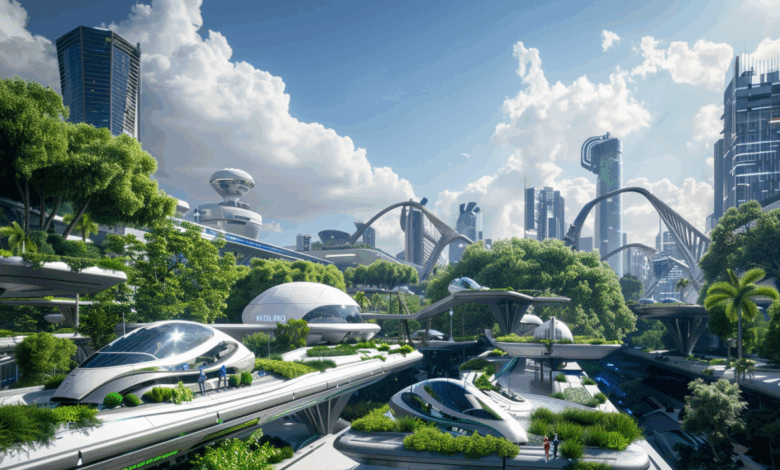
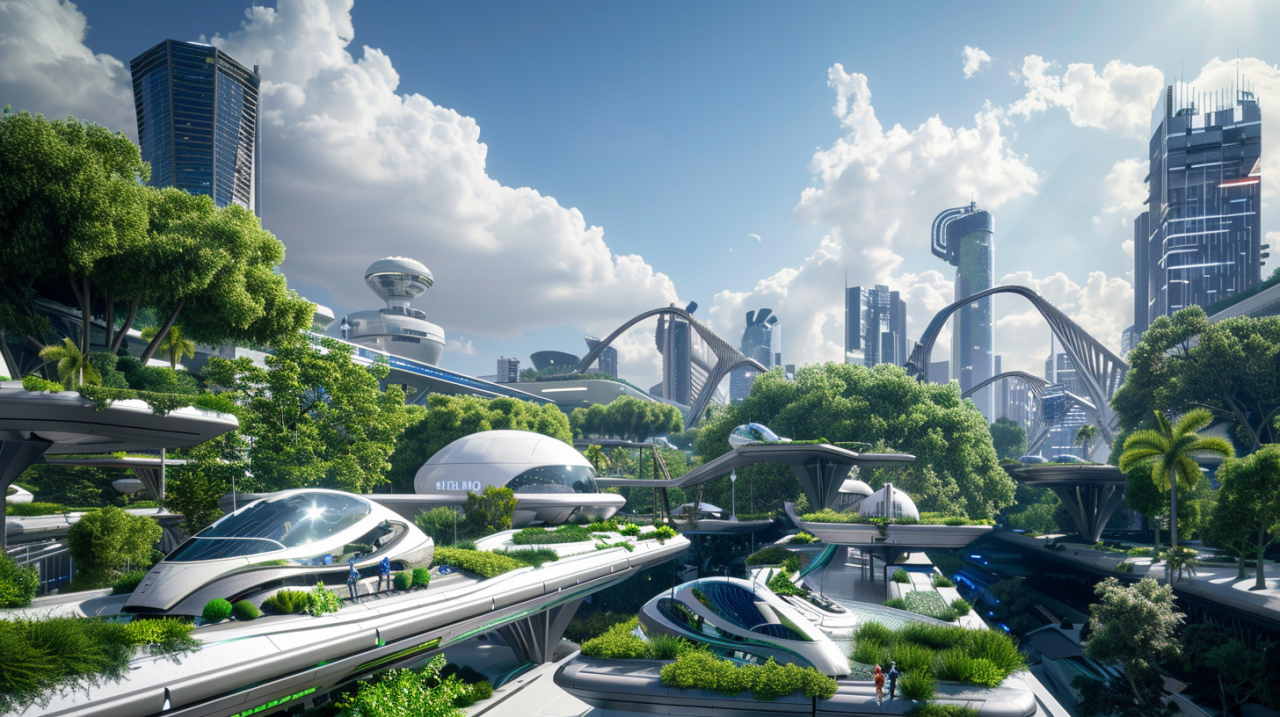
The global climate crisis has fundamentally transformed urban architectural practice, compelling architects worldwide to reimagine cities as resilient ecosystems rather than static collections of buildings. This paradigm shift represents architecture’s urgent response to increasingly severe climate impacts—from catastrophic flooding and extreme heat to intensifying storms and rising sea levels. Urban architecture is evolving beyond mere shelter provision to become the first line of defense against climate disruption, integrating sophisticated adaptation strategies that protect inhabitants while enhancing ecological function. From amphibious buildings that float during floods to breathable urban fabrics that mitigate heat islands, climate-responsive design is creating cities capable of weathering the environmental challenges of this century. This comprehensive analysis explores how urban architecture is adapting to climate crises, the innovative design strategies emerging worldwide, the technologies enabling resilient construction, and the profound implications for how we will inhabit increasingly volatile urban environments.
A. The Climate Challenges Reshaping Urban Architecture
Contemporary urban design must simultaneously address multiple, often interconnected, climate threats.
A.1. Hydrological Extremes and Water Management
Cities worldwide are confronting both water scarcity and destructive flooding.
-
Pluvial Flood Resilience: Urban architecture now incorporates strategies for managing intense rainfall events that overwhelm conventional drainage systems, including permeable surfaces, green roofs, and temporary water storage integrated into building designs.
-
Coastal Inundation Defense: Buildings in flood-prone coastal areas are being designed with elevated structures, flood-resistant materials, and amphibious foundations that allow them to rise with floodwaters.
-
Water Scarcity Adaptation: Architecture in drought-prone regions increasingly incorporates rainwater harvesting, greywater recycling, and atmospheric water generation systems that reduce municipal water demand during shortages.
A.2. Thermal Stress and Urban Heat Management
Rising temperatures and intensifying heatwaves demand new approaches to thermal comfort.
-
Urban Heat Island Mitigation: Architects are combatting the heat-amplifying effects of dense urban development through reflective surfaces, green infrastructure, and careful urban geometry that promotes cooling airflow.
-
Passive Survivability Design: Buildings are being designed to maintain safe indoor temperatures during power outages through strategic orientation, thermal mass, natural ventilation, and external shading.
-
Public Cool Refuge Networks: The distribution of air-conditioned public spaces, shaded pedestrian routes, and cooling centers ensures urban thermal refuge during extreme heat events.
A.3. Atmospheric Extremes and Storm Protection
More frequent and intense storms require robust architectural responses.
-
Wind Load Innovations: Tall buildings in hurricane and typhoon-prone regions incorporate aerodynamic forms, reinforced connections, and impact-resistant facades that withstand extreme wind forces.
-
Projectile Protection Systems: Buildings in storm-vulnerable areas feature impact-resistant glazing, protected entryways, and reinforced exterior elements that resist flying debris.
-
Emergency Power and Shelter Integration: Critical facilities and even residential buildings increasingly incorporate backup power systems and designated safe areas for sheltering during severe weather.
B. Climate-Adaptive Design Strategies and Methodologies
Architects are developing comprehensive approaches to climate resilience across multiple scales.
B.1. Building-Scale Adaptation Technologies
Individual structures are becoming climate-responsive entities.
-
Dynamic Building Envelopes: Facades that adapt to changing conditions—automated shading systems that respond to solar intensity, operable skins that modulate ventilation, and smart glazing that adjusts transparency.
-
Elevated and Amphibious Foundations: Buildings in floodplains utilize buoyant foundations, elevated living spaces, and wet-proofed lower levels that allow water to pass through with minimal damage.
-
Climate-Responsive Material Selection: Architects increasingly specify materials based on their performance under future climate conditions—heat-resistant surfaces, flood-resilient finishes, and storm-durable assemblies.
B.2. Neighborhood-Scale Resilience Planning
Climate adaptation requires thinking beyond individual buildings to urban systems.
-
Blue-Green Infrastructure Networks: Integrated systems of parks, greenways, swales, and retention ponds manage stormwater while providing cooling, recreation, and habitat.
-
Distributed Energy Microgrids: Neighborhood-scale renewable energy systems with battery storage maintain power during grid outages, supporting community resilience.
-
Multi-Modal Evacuation and Access: Redundant circulation networks ensure emergency access and evacuation routes remain functional during climate events.
B.3. Regional-Scale Ecological Integration
The most effective climate adaptation connects urban areas to regional ecosystems.
-
Coastal Buffer Zone Management: Architecture respects and enhances natural coastal defenses like dunes, wetlands, and mangroves that provide storm protection.
-
Watershed-Conscious Development: Urban design works with natural hydrological patterns rather than against them, preserving floodplains and recharge areas.
-
Regional Habitat Corridors: Development patterns maintain wildlife corridors that support ecosystem resilience under climate stress.
C. Global Implementation and Case Studies
Cities worldwide are implementing climate-adaptive architecture with region-specific approaches.
C.1. Coastal Cities and Sea Level Rise Adaptation
Maritime urban centers are pioneering innovative flood resilience strategies.
-
Copenhagen’s Cloudburst Management Plan, Denmark: This comprehensive approach integrates public space design with water management, creating streets and parks that temporarily store stormwater during extreme rainfall while serving community needs during dry periods.
-
Amphibious Architecture in Maasbommel, Netherlands: This community of floating homes rises with floodwaters, demonstrating how permanent architecture can adapt to fluctuating water levels.
-
The Big U, Manhattan, USA: This proposed protective system around lower Manhattan combines flood barriers with public amenities, showing how defensive infrastructure can enhance rather than detract from urban life.
C.2. Arid Cities and Extreme Heat Response
Hot climate cities are developing sophisticated cooling strategies.
-
Medellín’s Green Corridors, Colombia: This network of planted pathways has reduced urban temperatures by 2-3°C while improving mobility, air quality, and social cohesion.
-
Abu Dhabi’s Estidama Pearl Rating System, UAE: This mandatory sustainability program requires passive cooling strategies, solar shading, and reflective surfaces that reduce cooling energy demand in extreme heat.
-
Phoenix’s Cool Pavement Program, USA: This initiative applies reflective coatings to asphalt streets, reducing surface temperatures by 10-12°F and mitigating urban heat island effects.
C.3. Multi-Hazard Cities and Comprehensive Resilience
Cities facing multiple climate threats are developing integrated approaches.
-
Tokyo’s Comprehensive Flood Management, Japan: This multi-layered strategy combines underground storage tunnels, elevated plazas, community shelters, and public education for resilience against floods, typhoons, and sea level rise.
-
Miami’s Resilience Strategy, USA: Addressing both sea level rise and hurricane risk through elevated structures, stormwater management, and building code enhancements.
-
Dhaka’s Community-Led Adaptation, Bangladesh: In one of the world’s most climate-vulnerable cities, community organizations are developing low-cost housing solutions that combine traditional knowledge with modern materials for flood and heat resilience.
D. Implementation Challenges and Strategic Solutions
Climate-adaptive architecture faces significant barriers that require innovative approaches.
D.1. Regulatory and Governance Frameworks
Existing regulations often hinder rather than support climate adaptation.
-
Performance-Based Code Development: Forward-thinking cities are replacing prescriptive codes with performance standards that allow innovation in climate adaptation while ensuring safety.
-
Climate-Informed Zoning Updates: Municipalities are revising zoning to restrict development in high-risk areas while incentivizing climate-adaptive design in appropriate locations.
-
Interjurisdictional Coordination: Effective climate adaptation requires coordination across municipal boundaries, particularly for watershed management and regional infrastructure.
D.2. Economic and Financial Considerations
The costs of climate adaptation present significant implementation challenges.
-
Lifecycle Cost Analysis: Demonstrating how climate-adaptive features reduce long-term costs from disaster recovery, maintenance, and insurance can justify higher initial investments.
-
Climate Risk Disclosure Requirements: Mandating disclosure of climate vulnerabilities is driving market valuation of resilient properties and penalizing vulnerable ones.
-
Innovative Financing Mechanisms: Green bonds, resilience bonds, and public-private partnerships are emerging to fund climate adaptation projects.
D.3. Technical and Knowledge Barriers
Designing for future climate conditions requires new expertise and approaches.
-
Climate Projection Integration: Architects must learn to incorporate probabilistic climate projections rather than historical weather data in their designs.
-
Interdisciplinary Collaboration: Effective climate adaptation requires collaboration between architects, engineers, ecologists, social scientists, and emergency managers.
-
Post-Occupancy Evaluation: Monitoring how climate-adaptive buildings perform during actual climate events provides crucial feedback for improving future designs.
E. Future Directions and Emerging Innovations
Climate-adaptive urban architecture continues to evolve with new technologies and approaches.
E.1. Advanced Materials and Building Systems
Material science is enabling new forms of climate responsiveness.
-
Self-Healing Concrete: Concrete that automatically repairs cracks extends structure life and maintains watertightness in flood conditions.
-
Phase-Change Materials: Substances that store and release thermal energy help maintain comfortable temperatures during heatwaves and power outages.
-
Carbon-Sequestering Building Materials: Materials that remove CO2 from the atmosphere help mitigate the climate change driving adaptation needs.
E.2. Digital Technology and Smart Resilience
Digital tools are enhancing climate adaptation capabilities.
-
Real-Time Monitoring and Response: Sensor networks that monitor environmental conditions and trigger adaptive responses—closing storm shutters, activating pumps, or adjusting ventilation.
-
Digital Twin Urban Modeling: Virtual replicas of cities allow simulation of climate impacts and testing of adaptation strategies before implementation.
-
Community Alert and Response Systems: Integrated digital platforms that provide early warning and coordinate response during climate emergencies.
E.3. Social Equity and Community-Led Adaptation
The most effective climate adaptation engages and benefits all community members.
-
Participatory Design Processes: Communities most vulnerable to climate impacts are increasingly leading adaptation planning rather than being passive recipients of solutions.
-
Equitable Resilience Benefits: Ensuring that climate adaptation investments benefit marginalized communities who often face disproportionate climate risks.
-
Cultural Continuity in Adaptation: Respecting and incorporating cultural practices and architectural traditions in climate adaptation strategies.
Conclusion: The Imperative of Climate-Adaptive Urbanism
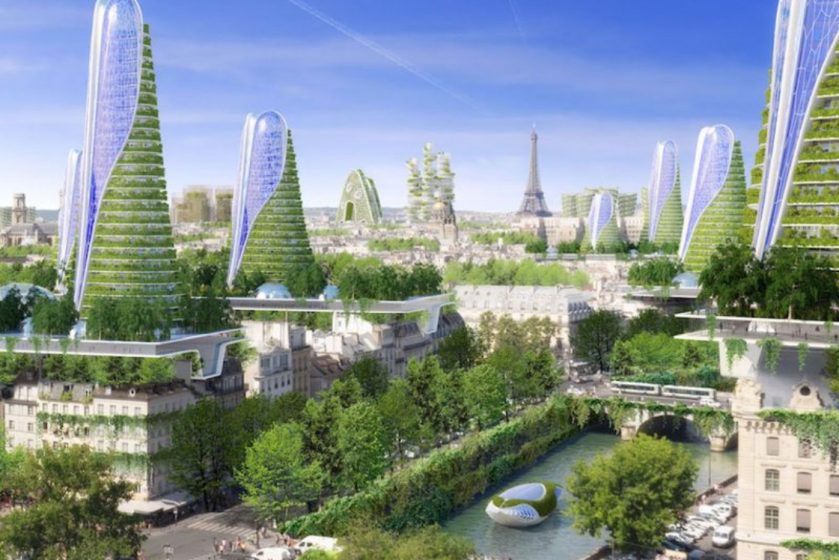
The transformation of urban architecture in response to climate crises represents one of the most significant developments in the history of the built environment. This evolution from climate-vulnerable to climate-adaptive cities is not merely a technical challenge but a redefinition of architecture’s fundamental purpose: to create safe, healthy, and dignified living environments in an increasingly volatile world. The most compelling climate-adaptive projects demonstrate that resilience need not mean fortress-like defensiveness; rather, it can create more livable, beautiful, and ecologically integrated urban environments. As climate impacts intensify, the distinction between conventional architecture and climate-adaptive design will inevitably dissolve—all urban architecture will need to respond to its climatic context with sophistication and humility. In this future, successful cities will be those that view climate adaptation not as a burden but as an opportunity to create more sustainable, equitable, and delightful urban environments. The architectural profession has both the capability and the responsibility to lead this transformation, creating urban landscapes that can not only withstand the challenges of this century but help humanity thrive within them.
Tags: climate-responsive architecture, urban resilience, sustainable design, climate adaptation, resilient cities, flood-resistant design, heat mitigation, sustainable urbanism, climate crisis, adaptive architecture, urban planning, environmental design