Heritage Architecture Receives Global Recognition

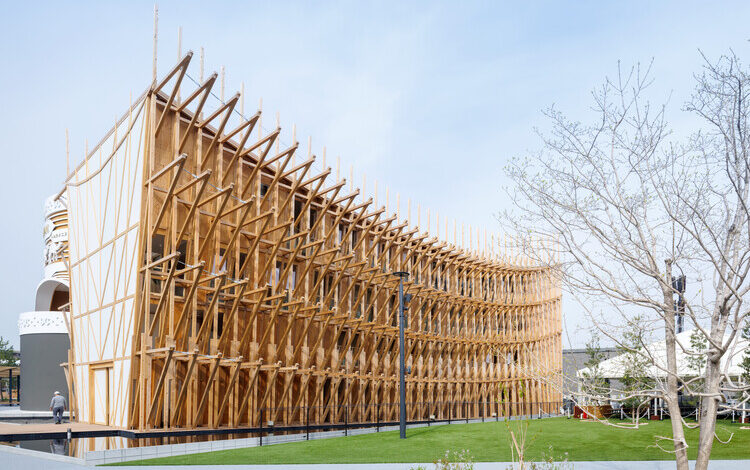
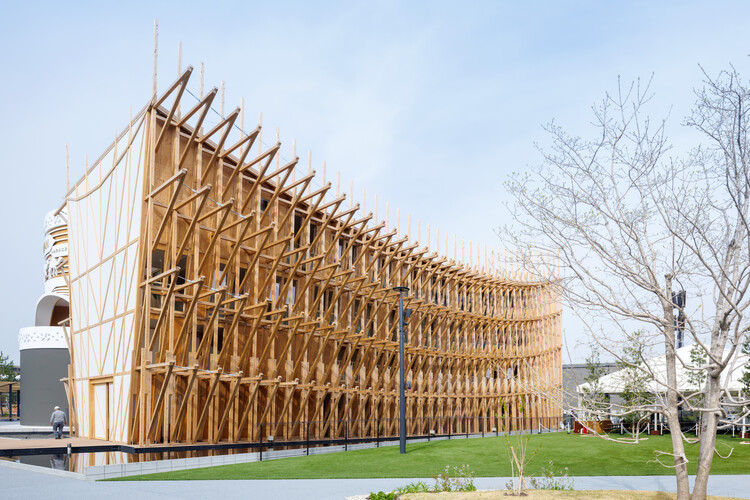
The Renaissance of Heritage Conservation
In an era increasingly defined by rapid urbanization and architectural homogenization, prestigious international awards are increasingly celebrating projects that masterfully reinterpret and preserve architectural heritage. This significant shift in recognition criteria represents a profound evolution in how the global architecture community values cultural continuity, historical sensitivity, and contextual responsiveness. From adaptive reuse of industrial structures to sensitive restoration of ancient monuments, heritage-focused architecture is receiving unprecedented acclaim, signaling that the most compelling contemporary design often emerges from thoughtful dialogue with the past rather than radical breaks from it. This comprehensive analysis explores how major architecture awards are elevating heritage conservation, the innovative approaches being celebrated, the technological advancements enabling sophisticated preservation, and the broader implications for sustainable development and cultural identity in the 21st century.
A. The Evolution of Award Criteria: From Novelty to Continuity
Major architecture prizes have fundamentally redefined what constitutes exemplary design in the contemporary context.
A.1. Expanded Definition of Architectural Excellence
Award juries now recognize that exceptional architecture encompasses more than formal innovation.
-
Cultural Significance Valuation: Projects demonstrating deep understanding of local building traditions, historical context, and community memory are increasingly celebrated alongside technologically innovative new construction.
-
Temporal Layering Appreciation: Designs that make visible the passage of time through careful preservation of historical strata are being recognized as more intellectually rich and culturally valuable than tabula rasa approaches.
-
Community Engagement Recognition: Awards now frequently honor processes as much as products, celebrating projects developed through meaningful community consultation and that serve local cultural continuity.
A.2. Sustainability Through Preservation
The greenest building is increasingly understood to be one that already exists.
-
Embodied Energy Consideration: Award criteria now frequently include lifecycle carbon analysis, recognizing that adaptive reuse typically preserves 50-75% of the embodied energy compared to new construction.
-
Cultural Sustainability Integration: Preservation of cultural heritage is increasingly viewed as an essential component of sustainable development, maintaining diverse cultural responses to local environmental conditions.
-
Circular Economy Principles: Projects that creatively reuse existing materials and structures align with emerging circular economy principles that awards now champion.
A.3. Technical and Craft Excellence
Sophisticated conservation requires exceptional skill that awards are increasingly recognizing.
-
Traditional Craft Revival: Projects that preserve or revive endangered building crafts are celebrated for maintaining cultural knowledge and technical diversity.
-
Innovative Conservation Techniques: New approaches that extend building lifespan through advanced materials science and structural reinforcement are receiving technical achievement recognition.
-
Digital Documentation Excellence: Comprehensive recording of historical structures using advanced scanning and modeling technologies is increasingly valued as a conservation achievement in itself.
B. Celebrated Approaches in Heritage Architecture
Award-winning heritage projects employ diverse strategies tailored to specific cultural and architectural contexts.
B.1. Adaptive Reuse and Programmatic Transformation
Breathing new life into existing structures represents the most celebrated heritage approach.
-
Industrial Heritage Reinvention: Projects like Zollverein School in Germany (RIBA International Award) demonstrate how abandoned industrial facilities can become vibrant cultural and educational centers while preserving their powerful industrial character.
-
Religious Building Adaptation: The transformation of deconsecrated churches and temples into community centers, libraries, and performance spaces receives recognition for maintaining spiritual character while serving contemporary needs.
-
Infrastructure Repurposing: Projects like New York’s High Line (AIA Honor Award) show how obsolete infrastructure can become new civic spaces that honor historical function while creating contemporary value.
B.2. Sensitive Additions and Contemporary Interventions
Adding new architectural layers to historical structures requires particular design sensitivity.
-
Contrast as Contextual Response: Projects like Neues Museum in Berlin (European Union Prize for Contemporary Architecture) demonstrate how bold contemporary interventions can create meaningful dialogue with historical fabric rather than mimicking it.
-
Reversible Design Strategies: Insertions designed for future removal or modification are celebrated for respecting the longevity of historical structures beyond current use cycles.
-
Material Dialogue Establishment: Thoughtful selection of new materials that complement rather than copy existing ones creates rich visual and tactile conversations across time.
**B.3. Conservation and Restoration Excellence
Meticulous preservation of significant heritage requires exceptional technical and historical understanding.
-
Archaeological Sensitivity: Projects that carefully preserve and interpret archaeological evidence during conservation work receive recognition for their contribution to historical knowledge.
-
Traditional Technique Application: Use of historically accurate materials and methods is celebrated when appropriately documented and executed to highest contemporary standards.
-
Preventive Conservation Focus: Projects that prioritize long-term maintenance and monitoring systems over dramatic restoration are increasingly valued for their sustainable approach to heritage stewardship.

C. Technological Enablers of Contemporary Heritage Practice
Modern conservation leverages advanced technologies that enable more informed and less invasive interventions.
C.1. Digital Documentation and Analysis
Comprehensive recording technologies have transformed heritage understanding.
-
Laser Scanning and Photogrammetry: High-resolution 3D documentation creates precise records of existing conditions and enables detailed analysis of structural movement, material deterioration, and construction sequencing.
-
Building Information Modeling for Heritage: HBIM systems create intelligent digital twins of historical structures that integrate historical research, condition assessment, and conservation planning.
-
Material Analysis Technologies: Advanced imaging and sampling techniques provide unprecedented understanding of historical material composition and deterioration mechanisms.
**C.2. Monitoring and Maintenance Technologies
Continuous assessment enables proactive rather than reactive conservation.
-
Structural Health Monitoring: Embedded sensors track movement, moisture, temperature, and other factors that affect building longevity, enabling intervention before significant damage occurs.
-
Environmental Control Systems: Precise management of interior climates preserves sensitive materials and finishes while maintaining occupant comfort.
-
Non-Destructive Testing Methods: Techniques like ground-penetrating radar and infrared thermography reveal hidden conditions without damaging historic fabric.
**C.3. Traditional Craft Enhancement
Technology supports rather than replaces traditional building arts.
-
Digital Fabrication Assistance: CNC routing and 3D printing can produce complex replacement elements or formwork for traditional craft execution.
-
Craft Technique Documentation: Digital video and augmented reality can record and transmit endangered craft knowledge to new generations of artisans.
-
Material Science Support: Advanced analysis of traditional materials enables development of compatible modern alternatives when original materials are unavailable.
D. Global Exemplars of Award-Winning Heritage Architecture
Pioneering projects worldwide demonstrate the diverse approaches being celebrated by international awards.
**D.1. European Heritage Leadership
Europe’s rich architectural history has generated sophisticated conservation approaches.
-
The Stirling Prize Recognition: Projects like the Neues Museum restoration and the Astley Castle transformation demonstrate UK leadership in balancing conservation and contemporary intervention.
-
Europa Nostra Awards: This comprehensive program celebrates everything from individual building restorations to landscape conservation and educational programs across the continent.
-
French Heritage Innovation: Projects like the Soulages Museum in Rodez (French National Architecture Award) show how contemporary architecture can celebrate regional materials and traditions without historical pastiche.
**D.2. Asian Contextual Modernism
Rapidly developing Asian nations are finding innovative ways to preserve heritage amid growth.
-
Aga Khan Award Recognition: This prestigious award frequently honors projects like the Beijing Tsinghua University Campus that reinterpret traditional architectural principles in contemporary contexts.
-
Japanese Craft Preservation: Japan’s architecture awards consistently celebrate projects that maintain traditional woodworking, masonry, and garden arts while addressing contemporary needs.
-
Indian Adaptive Reuse: Awards increasingly recognize projects like the Rani Ki Vav stepwell restoration that preserve ancient infrastructure while making it accessible and relevant to contemporary communities.
**D.3. Americas and Emerging Regions
New World nations are developing distinctive approaches to often shorter but equally significant heritage.
-
North American Industrial Adaptation: Awards like the AIA Honor Awards frequently recognize projects that transform industrial heritage into cultural assets, such as Toronto’s Distillery District.
-
Latin American Colonial Heritage: Projects that sensitively adapt colonial structures for contemporary use while acknowledging complex histories are receiving increased recognition.
-
Australian Indigenous Heritage: Recognition is growing for projects that incorporate indigenous knowledge and respect for sacred sites within contemporary architectural interventions.
E. Implementation Challenges and Strategic Solutions
Despite recognition and technical capability, heritage conservation faces significant implementation barriers.
**E.1. Economic Viability and Funding Models
Conservation typically costs more than new construction, requiring creative financing.
-
Phased Implementation Strategies: Award-winning projects often demonstrate how complex conservation can be sequenced to match funding availability while maintaining overall vision.
-
Mixed-Use Development Integration: Combining heritage conservation with compatible new development can cross-subsidize preservation costs.
-
Tourism Revenue Leverage: Carefully managed tourism can provide ongoing revenue for maintenance while raising conservation awareness.
**E.2. Regulatory and Legal Frameworks
Heritage protection often conflicts with development rights and building codes.
-
Performance-Based Code Advocacy: Successful projects often pioneer alternative compliance paths that achieve safety objectives while preserving historical character.
-
Transferable Development Rights: Systems that allow preservation incentives by transferring development potential to more appropriate locations.
-
Heritage Impact Assessment Integration: Early evaluation of development impact on heritage values can guide more sensitive design from project inception.
**E.3. Community Engagement and Gentrification Management
Preservation can unintentionally displace communities it aims to serve.
-
Community Land Trust Models: Ensuring long-term affordability in preserved neighborhoods through innovative ownership structures.
-
Cultural Continuity Planning: Integrating programs that maintain community cultural practices alongside physical preservation.
-
Economic Diversity Maintenance: Ensuring preserved neighborhoods remain accessible to residents across income levels.
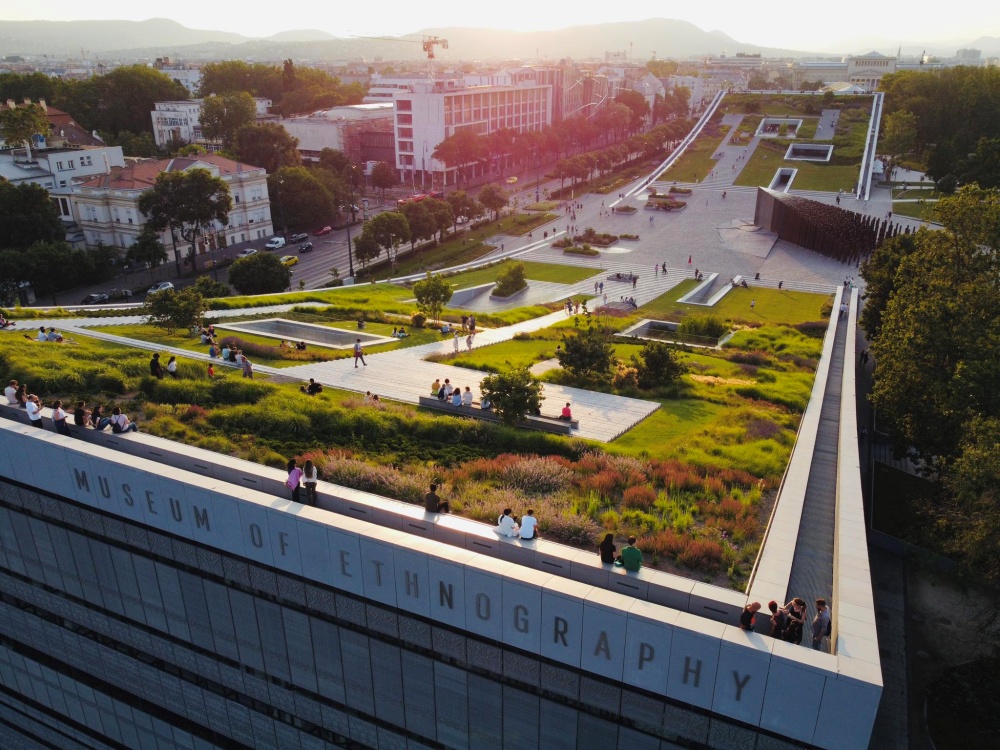
F. Future Directions and Emerging Trends
Heritage conservation continues to evolve with new challenges and opportunities.
**F.1. Climate Adaptation Integration
Heritage structures must adapt to changing environmental conditions.
-
Climate Resilience Enhancement: Sensitively upgrading historical buildings to withstand more extreme weather while preserving character-defining elements.
-
Energy Performance Improvement: Reducing operational energy use in heritage buildings through non-invasive system upgrades and passive strategies.
-
Sustainable Material Sourcing: Developing supply chains for traditional materials that meet contemporary sustainability standards.
**F.2. Digital Heritage and Virtual Preservation
Technology enables new forms of heritage engagement and protection.
-
Digital Reconstruction: Creating virtual experiences of lost or inaccessible heritage sites.
-
Augmented Reality Interpretation: Overlaying historical information and reconstructions onto existing sites.
-
Blockchain for Provenance: Creating secure records of material sources and conservation interventions.
**F.3. Expanding Heritage Definitions
What constitutes heritage continues to broaden and diversify.
-
Modern Movement Conservation: Protecting significant 20th century architecture now reaching heritage status.
-
Industrial and Infrastructure Heritage: Recognizing the cultural significance of recent industrial and technological sites.
-
Intangible Heritage Integration: Preserving cultural practices, building techniques, and spatial traditions alongside physical structures.
Conclusion: Heritage as Innovation Catalyst
The growing recognition of heritage-focused architecture through prestigious awards represents far more than nostalgic preservation—it signals a profound maturation of architectural culture. The most celebrated contemporary projects demonstrate that the deepest innovation often emerges from thoughtful engagement with tradition, that the most sustainable approach frequently involves working with existing resources, and that the most meaningful architecture serves cultural continuity alongside contemporary function. As environmental concerns intensify and cultural homogenization accelerates, heritage conservation provides powerful antidotes—maintaining diverse responses to local conditions, preserving embodied energy, and strengthening cultural identity. The architects and projects receiving awards for heritage work are proving that conservation need not be conservative, that historical sensitivity need not preclude contemporary expression, and that the most forward-thinking architecture often looks thoughtfully backward. In this context, heritage conservation emerges not as a constraint on architectural creativity but as its most vital and promising frontier—creating built environments that honor where we’ve been while thoughtfully carrying us forward.
Tags: heritage architecture, architectural conservation, adaptive reuse, historic preservation, architectural awards, cultural heritage, sustainable architecture, building restoration, heritage conservation, architectural recognition, traditional craft, cultural continuity