The Prefabrication Revolution in Architecture

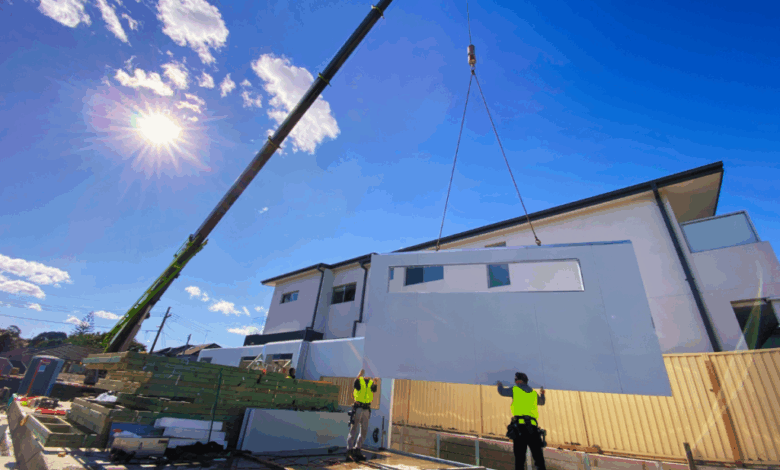
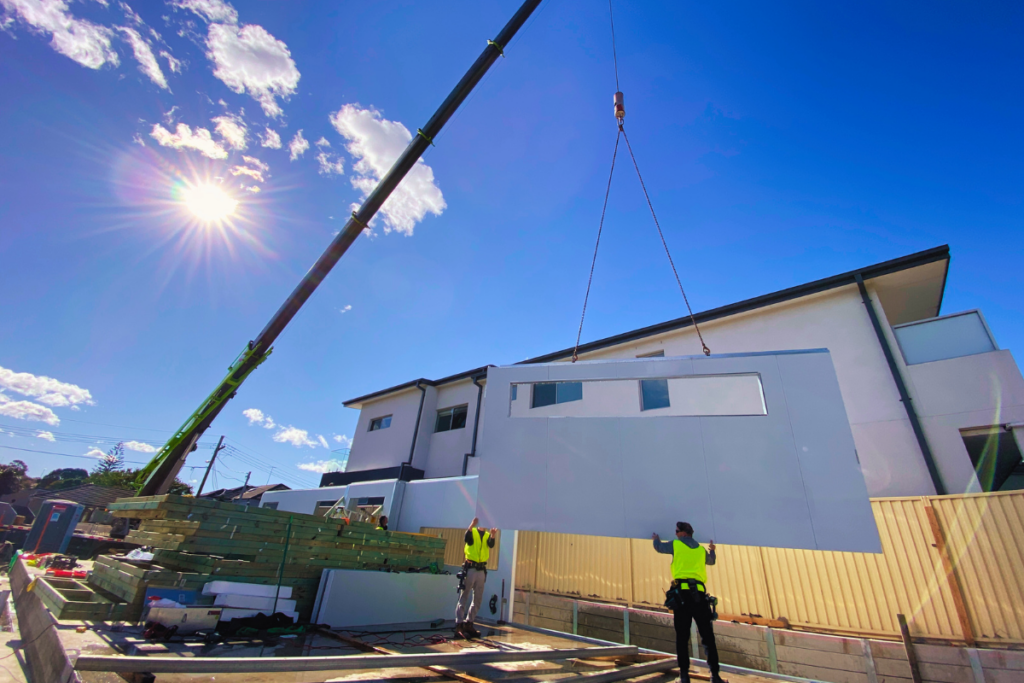
The architectural profession is spearheading a radical transformation in construction methodology through innovative prefabrication techniques that challenge centuries-old building traditions. This paradigm shift represents far more than efficiency optimization—it’s redefining architectural possibility, enabling unprecedented precision, sustainability, and design sophistication. Contemporary architects are leveraging prefabrication not as a constraint on creativity but as a catalyst for innovation, producing buildings of remarkable quality and complexity that would be impractical through conventional construction. From digitally fabricated modular components to entire volumetric units manufactured in controlled factory environments, prefabrication is evolving from its utilitarian origins into a sophisticated design strategy that addresses urgent challenges of housing affordability, construction waste, and skilled labor shortages. This comprehensive analysis explores how architects are reinventing prefabrication, the technologies enabling this transformation, implementation across building typologies, and the profound implications for architectural design, sustainability, and the future of the built environment.
A. The New Prefab Paradigm: Beyond Modular Boxes
Contemporary prefabrication has evolved dramatically from its standardized, repetitive origins.
A.1. Mass Customization and Design Flexibility
Digital fabrication enables prefabrication of unique, complex components rather than standardized repetition.
-
Parametric Prefabrication: Algorithms generate building components optimized for structural performance, material efficiency, and aesthetic variation while remaining manufacturable through automated systems.
-
Kit-of-Parts Architecture: Systems of interoperable components enable infinite configurations from standardized, factory-produced elements, balancing efficiency with customization.
-
Digital Craft Prefab: Complex geometries and custom details that would be cost-prohibitive with onsite labor become economically feasible through robotic fabrication and digital precision.
A.2. Integrated Performance and Quality Enhancement
Factory production enables integration of systems and quality control impossible onsite.
-
Building System Integration: Mechanical, electrical, plumbing, and smart systems are precisely integrated during factory assembly rather than coordinated across multiple trades onsite.
-
Environmental Performance Optimization: Superior insulation, airtightness, and thermal bridging reduction are consistently achieved in controlled factory conditions.
-
Quality Assurance Revolution: Every component undergoes rigorous inspection in factory settings, dramatically reducing defects and callbacks compared to traditional construction.
A.3. Material Innovation and Waste Reduction
Prefabrication enables use of advanced materials and unprecedented resource efficiency.
-
Digital Material Optimization: Computer-controlled cutting and fabrication minimize waste through nesting optimization and precise material usage.
-
Advanced Material Application: Complex material assemblies requiring controlled environmental conditions can be fabricated in factories but would be impractical onsite.
-
Circular Economy Enablement: Designing for disassembly and component reuse transforms buildings into material banks rather than eventual demolition waste.
B. Technological Enablers of Architectural Prefab Innovation
Cutting-edge technologies are transforming what’s possible through prefabrication.
B.1. Digital Design and Fabrication Technologies
Computational tools enable sophisticated prefab design and manufacturing.
-
Building Information Modeling: BIM enables comprehensive digital prototyping before fabrication, ensuring perfect coordination between all building systems and components.
-
Robotic Fabrication Systems: Industrial robots with advanced end-effectors handle everything from precise material cutting to complex assembly tasks with superhuman precision.
-
Additive Manufacturing: Large-scale 3D printing enables fabrication of complex components that would be impossible or prohibitively expensive through traditional means.
B.2. Material Science Advancements
New materials are expanding prefabrication possibilities.
-
Engineered Wood Products: Cross-laminated timber, laminated veneer lumber, and other mass timber products enable prefabrication of tall wood structures with exceptional strength and sustainability.
-
Advanced Composites: Fiber-reinforced polymers and other composites offer high strength-to-weight ratios ideal for transportable prefab components.
-
Smart Material Integration: Phase-change materials, self-healing concrete, and other responsive materials can be more reliably incorporated in factory settings.
B.3. Logistics and Assembly Technologies
Getting prefabricated components to sites and assembling them requires sophisticated systems.
-
Digital Twin Coordination: Virtual replicas of construction sites enable precise sequencing of component delivery and assembly.
-
Robotic Assembly Assistance: Onsite robots work alongside human crews to position and secure heavy or complex components.
-
Augmented Reality Guidance: AR systems guide assembly crews through complex installation sequences with visual overlays.
C. Implementation Across Architectural Typologies
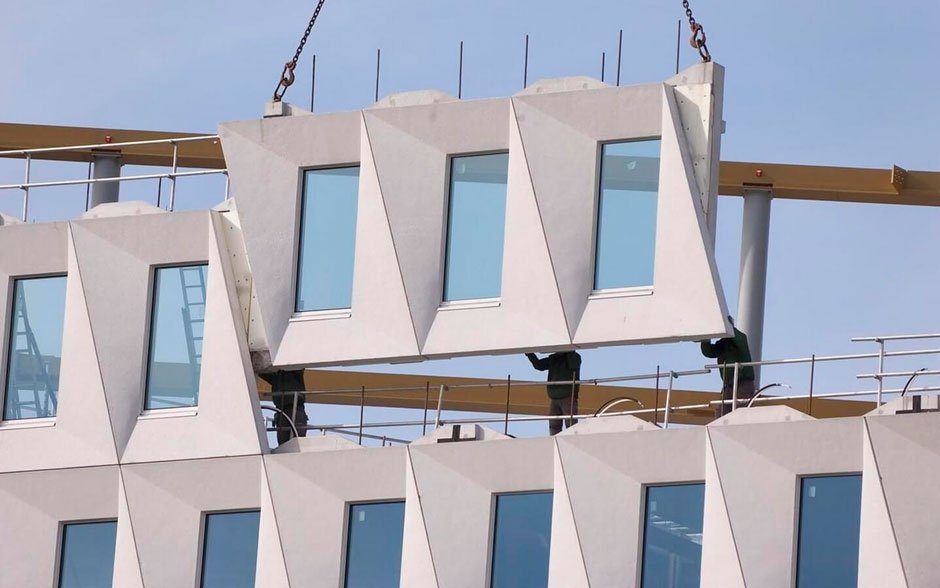
Prefabrication strategies are being adapted to diverse building types with remarkable results.
C.1. Residential Architecture Applications
Prefab is transforming housing delivery across market segments.
-
Multi-Family Housing: Projects like 461 Dean Street in Brooklyn demonstrate how volumetric modular construction can deliver high-quality residential towers with dramatically reduced construction timelines.
-
Custom Single-Family Homes: Architects are using panelized and component-based prefab systems to create highly customized homes that balance design uniqueness with factory efficiency.
-
Affordable Housing: Organizations like Plant Prefab are developing systems that reduce costs while maintaining design quality, addressing housing crises through efficient delivery.
C.2. Commercial and Institutional Buildings
Beyond housing, prefab is revolutionizing commercial construction.
-
Healthcare Facilities: Modular construction enables rapid deployment of medical facilities with precisely controlled environments and integrated medical gas, electrical, and data systems.
-
Educational Buildings: Schools benefit from reduced construction disruption and superior acoustic performance achievable through factory production.
-
Office and Workplace: Commercial projects utilize prefab for faster occupancy and higher quality finishes than typically achievable through traditional construction.
C.3. Complex and Specialized Structures
Even highly specialized building types are embracing prefabrication.
-
Cultural Institutions: The Museum of Modern Art’s expansion utilized prefabricated components to enable construction while maintaining museum operations.
-
Hospitality Projects: Hotels increasingly employ modular construction for guest rooms fabricated complete with finishes, fixtures, and furniture.
-
Research Facilities: Highly controlled laboratory environments benefit from factory-integrated mechanical systems and precise construction tolerances.
D. Implementation Challenges and Strategic Solutions
Despite significant advantages, prefabrication faces implementation barriers that require innovative approaches.
D.1. Economic and Financing Hurdles
Prefab often faces financial perception challenges despite potential savings.
-
First Cost vs. Lifecycle Value: Educating clients about long-term savings from reduced maintenance, energy efficiency, and earlier revenue generation changes the financial conversation.
-
Financing Model Adaptation: Lenders are developing specialized financing products for prefab projects with different cash flow patterns than traditional construction.
-
Economies of Scale Development: As prefab adoption increases, manufacturing efficiencies are reducing costs and expanding design possibilities.
D.2. Regulatory and Code Compliance
Building codes and regulations often lag behind prefabrication innovation.
-
Performance-Based Code Advocacy: Working with municipalities to develop codes focused on outcomes rather than prescribing construction methods.
-
Cross-Jurisdictional Standardization: Navigating varying regulations between manufacturing and installation locations requires careful planning and sometimes special approvals.
-
Transportation and Logistics Regulations: Moving oversized building components often requires special permits and route planning.
D.3. Design and Coordination Complexity
Successful prefab requires rethinking traditional design and construction processes.
-
Early Decision Making: Prefab demands resolving design details earlier in the process than conventional construction, challenging traditional sequential decision-making.
-
Tolerance Management: Coordinating interfaces between factory-produced components and site-built elements requires sophisticated tolerance planning.
-
Supply Chain Coordination: Reliable fabrication requires well-developed supply chains for specialized materials and components.

E. Future Directions and Emerging Possibilities
Prefabrication continues to evolve with exciting implications for architecture’s future.
E.1. Technological Convergence and Advancement
Emerging technologies promise to further expand prefabrication capabilities.
-
Robotic Swarm Fabrication: Multiple robots working collaboratively could enable factory production of increasingly complex building systems.
-
4D Printing: Additive manufacturing of materials designed to change properties or shape after installation.
-
AI-Optimized Design: Machine learning algorithms that optimize designs for both architectural quality and manufacturability.
E.2. Sustainability and Circular Economy Integration
Prefabrication offers powerful tools for sustainable construction.
-
Net-Zero Energy Prefab: Factory production enables precise integration of renewable energy systems and superior building envelopes.
-
Design for Deconstruction: Buildings designed as assemblies of prefabricated components that can be disassembled and reused.
-
Bio-Based Material Integration: Growing building components from organic materials like mycelium or agricultural waste.
E.3. Scalability and Urban System Integration
Prefabrication principles are expanding beyond buildings to urban systems.
-
Modular Infrastructure: Applying prefabrication to transportation, utility, and public space elements.
-
District-Scale Prefab: Entire neighborhoods conceived as integrated prefabricated systems.
-
Disaster Response and Rapid Deployment: Quickly deployable prefab systems for emergency housing and facilities.
Conclusion: Prefabrication as Architectural Liberation
The innovative application of prefabrication in contemporary architecture represents far more than a construction methodology—it signifies a fundamental rethinking of architectural production and possibility. The most compelling prefab projects demonstrate that factory fabrication need not limit architectural expression but can instead enable new forms of beauty, performance, and sophistication. By embracing prefabrication, architects are not abandoning craft but redefining it—shifting from onsite improvisation to digital precision, from weather-dependent sequencing to controlled factory coordination, from variable quality to consistent excellence. As environmental pressures intensify, construction costs rise, and housing needs grow, prefabrication offers powerful solutions that align efficiency with quality, sustainability with beauty, and standardization with customization. The architects leading this transformation are proving that the future of building lies not in doing the same things more efficiently, but in fundamentally reimagining how architecture comes into being—creating a future where buildings are manufactured with the precision of aircraft and the beauty of bespoke craftsmanship, where construction sites become assembly locations rather than fabrication zones, and where every building embodies the optimal balance between design aspiration and practical realization.
Tags: prefab architecture, modular construction, architectural innovation, sustainable construction, digital fabrication, building technology, construction methods, prefabrication, modular design, architectural technology, off-site construction, building innovation