Digital Platforms Transform Architectural Practice Models

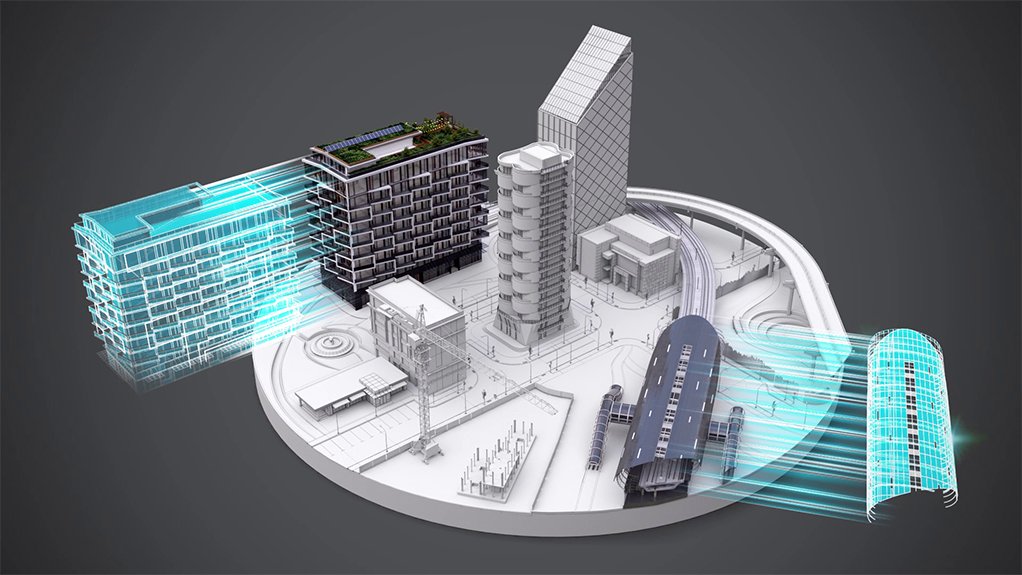
The Digital Disruption of Architectural Practice
The architectural profession is experiencing its most significant transformation since the transition from drafting tables to CAD workstations, as digital platforms fundamentally reshape how architectural services are delivered, valued, and experienced. This technological revolution extends far beyond mere tools for design production—it represents a comprehensive reimagining of architectural business models, client relationships, and professional collaboration. From cloud-based design platforms that enable global teamwork to algorithmic systems that automate routine design tasks, digital platforms are challenging traditional firm structures while creating unprecedented opportunities for innovation, efficiency, and accessibility. This comprehensive analysis explores how digital platforms are disrupting conventional architectural practice, the specific technologies driving this transformation, the emerging business models replacing traditional firms, and the profound implications for architectural education, professional identity, and the future of the built environment.
A. The Platform Revolution in Architectural Services
Digital platforms are redefining every aspect of architectural service delivery and value creation.
A.1. Democratization of Architectural Access
Platforms are making professional design services accessible to previously underserved markets.
-
Direct Client-Architect Matching: Platforms like Architizer and Houzz connect clients directly with architects based on specific project needs, style preferences, and budget parameters, bypassing traditional business development channels.
-
Automated Feasibility Analysis: Tools like Spacemaker AI enable rapid site analysis and massing studies that previously required extensive manual effort, making preliminary design services more accessible and affordable.
-
Template-Based Design Systems: Platforms offering customizable design templates for common project types provide architectural services at dramatically lower costs for straightforward projects.
A.2. Globalization of Architectural Talent
Digital platforms enable new models of distributed, specialized collaboration.
-
Global Specialist Networks: Platforms connect firms with highly specialized consultants worldwide, enabling access to niche expertise without maintaining large in-house teams.
-
24-Hour Design Cycles: Distributed global teams can work continuously on urgent projects, passing work across time zones to accelerate delivery timelines.
-
Cross-Cultural Design Exchange: Digital collaboration enables architects from diverse cultural contexts to work together, enriching design outcomes through broader perspectives.
A.3. Data-Driven Design Optimization
Platforms are transforming architectural decision-making from intuition-based to evidence-informed.
-
Performance Analytics Integration: Tools like Cove.tool automatically analyze energy performance, daylighting, and other environmental factors during design development.
-
Cost Estimation Automation: Platforms integrating real-time cost data with BIM models enable immediate budget feedback during design iterations.
-
Precedent Analysis at Scale: AI systems can analyze thousands of architectural precedents to identify successful patterns and potential issues for specific project types.
B. Core Platform Technologies Reshaping Practice
Specific digital technologies are driving the platformization of architectural services.
B.1. Cloud-Based Design and Collaboration Platforms
The shift from desktop to cloud-based systems enables new workflow possibilities.
-
Real-Time Multi-user Collaboration: Platforms like Morpholio and Trimble Connect enable simultaneous work by distributed team members on the same models and drawings.
-
Centralized Project Data Management: Cloud-based Common Data Environments replace fragmented file storage with single sources of truth accessible to all project stakeholders.
-
Automated Version Control and Documentation: Systems that automatically track design changes and generate documentation reduce administrative overhead.
B.2. Artificial Intelligence and Machine Learning Systems
AI is automating routine tasks and enhancing creative capabilities.
-
Generative Design Systems: Tools like TestFit and Hypar automatically generate and evaluate thousands of design options based on specified constraints and objectives.
-
Code Compliance Automation: AI systems that automatically check designs against building codes and zoning regulations reduce manual review time and errors.
-
Material and System Selection Optimization: Platforms that recommend optimal material and system selections based on performance requirements, budget, and sustainability goals.
B.3. Integrated Project Delivery Platforms
Comprehensive systems manage the entire project lifecycle from conception through operation.
-
BIM-to-Fabrication Workflows: Platforms that seamlessly translate digital designs into manufacturing instructions for prefabricated components.
-
Construction Administration Automation: Systems that automate submittal review, RFI processing, and site observation documentation.
-
Facilities Management Integration: Platforms that extend design data into building operations, creating continuous digital threads from design through occupancy.
C. Emerging Business Models and Practice Structures
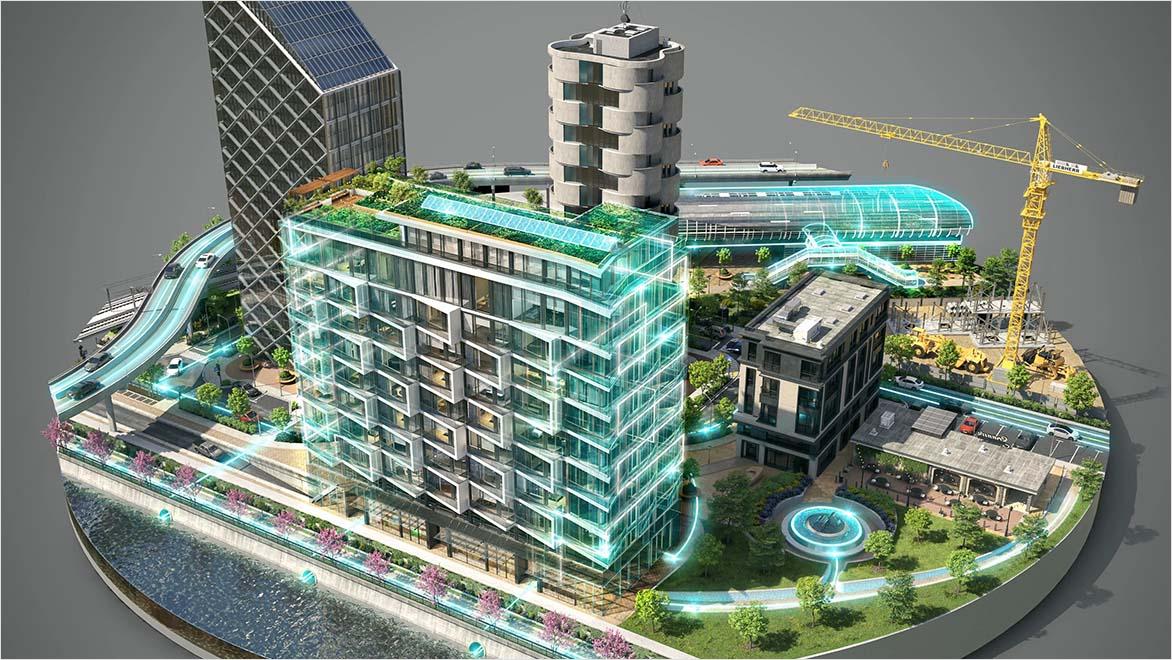
Digital platforms are enabling new architectural business models that challenge traditional firm structures.
C.1. Platform-Enabled Micro-Practices
Individual architects and small teams can now compete with large firms through platform capabilities.
-
Specialized Boutique Practices: Platforms enable hyper-specialized small practices to access global client bases seeking specific expertise.
-
Networked Solo Practitioners: Independent architects can form temporary virtual firms for specific projects, accessing specialized support through platform networks as needed.
-
Subscription-Based Services: Architects offering ongoing services through subscription models rather than project-based billing.
C.2. Integrated Design-Build Platforms
Platforms that connect design directly with construction services are disrupting traditional delivery methods.
-
Direct-to-Client Design-Build: Platforms that offer complete design and construction packages with fixed pricing and guaranteed timelines.
-
Manufacturer-Integrated Design: Systems that connect architectural design directly with material manufacturers and fabricators.
-
Crowdsourced Construction Documentation: Platforms that distribute documentation tasks across global networks of specialized drafters.
C.3. Data-Driven Development Models
New business models leverage architectural data as a primary asset.
-
Predictive Design Services: Firms using accumulated project data to predict optimal design solutions for specific contexts and requirements.
-
Algorithmic Development Analysis: Platforms that automatically identify development opportunities and optimal building programs for specific sites.
-
Performance-Based Service Models: Architects compensated based on actual building performance rather than design services alone.
D. Impact on Traditional Architectural Practice
The platform revolution is forcing traditional firms to adapt or risk obsolescence.
D.1. Evolving Value Propositions
Traditional firms must redefine what value they provide in a platform-enabled market.
-
From Service Provider to Experience Curator: Firms focusing on creating exceptional client experiences rather than merely delivering design documents.
-
Specialized Expertise Development: Developing deep expertise in specific building types, technical areas, or design approaches that platforms cannot easily replicate.
-
Integration and Synthesis Leadership: Focusing on coordinating complex projects that require sophisticated integration of multiple systems and stakeholders.
D.2. Operational Transformation
Traditional workflows and business operations must evolve to remain competitive.
-
Hybrid Talent Models: Blending core permanent staff with platform-accessed specialists based on project needs.
-
Technology Investment Prioritization: Significant investment in digital infrastructure becomes essential rather than optional.
-
Continuous Learning Cultures: Creating organizations capable of continuously adapting to new technologies and methodologies.
D.3. Client Relationship Evolution
How architects engage with clients is transforming in the platform era.
-
Transparent Pricing Models: Moving beyond traditional fee structures to value-based and performance-based pricing.
-
Collaborative Process Design: Involving clients more deeply in design processes through accessible digital platforms.
-
Long-Term Relationship Building: Focusing on ongoing client relationships rather than project-based engagements.
E. Implementation Challenges and Strategic Responses
Adopting platform-based approaches presents significant challenges that require strategic responses.
E.1. Quality Control and Consistency Management
Maintaining design quality across distributed platform-based workflows.
-
Digital Quality Assurance Systems: Automated checking systems that ensure consistency and quality across platform-based work.
-
Curated Specialist Networks: Developing trusted networks of platform-based specialists through rigorous qualification processes.
-
Standardized Workflow Protocols: Establishing clear protocols for platform-based collaboration that maintain quality standards.
E.2. Intellectual Property and Data Security
Platform-based work raises complex IP and security considerations.
-
Digital Rights Management: Systems that protect architectural IP while enabling necessary collaboration.
-
Data Governance Frameworks: Clear policies regarding data ownership, usage rights, and privacy protection.
-
Secure Collaboration Infrastructure: Implementing enterprise-grade security for platform-based work.
E.3. Professional Standards and Ethics
Platform-based practice challenges traditional professional standards.
-
Cross-Jurisdictional Practice Compliance: Navigating varying licensing requirements when working across geographic boundaries.
-
Quality Assurance in Automated Processes: Ensuring automated systems maintain professional standards.
-
Ethical Algorithm Development: Addressing bias and ethical considerations in AI-driven design systems.
F. Future Directions and Emerging Opportunities
Digital platforms in architecture continue to evolve with exciting implications.
F.1. Advanced AI Integration
The role of AI in architectural platforms will continue to expand.
-
Autonomous Design Systems: AI capable of generating complete, code-compliant designs based on high-level requirements.
-
Predictive Performance Modeling: Systems that accurately predict how designs will perform across multiple criteria before construction.
-
Natural Language Design Interface: Platforms that translate verbal descriptions into detailed designs.
F.2. Blockchain and Distributed Systems
Emerging technologies promise to further transform architectural practice.
-
Smart Contract Project Delivery: Automated contract execution based on predefined milestones and deliverables.
-
Decentralized Project Records: Immutable, distributed records of project decisions and changes.
-
Tokenized Project Ownership: New models for project financing and ownership through tokenization.
F.3. Integrated Urban Platforms
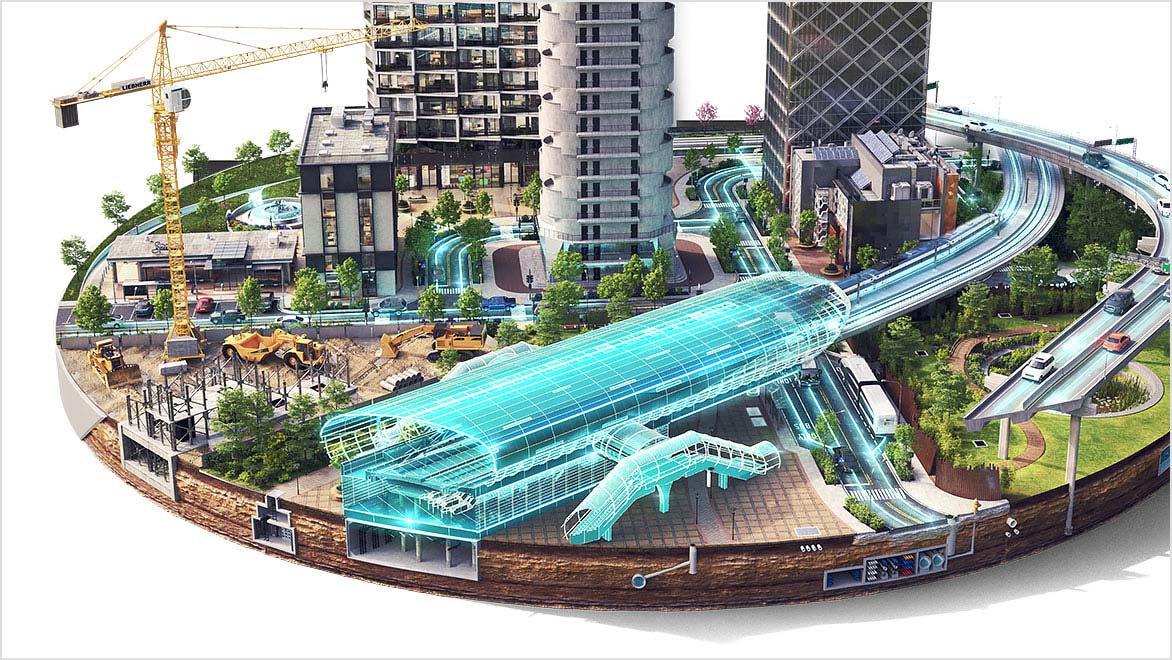
Platforms will expand from building scale to urban systems.
-
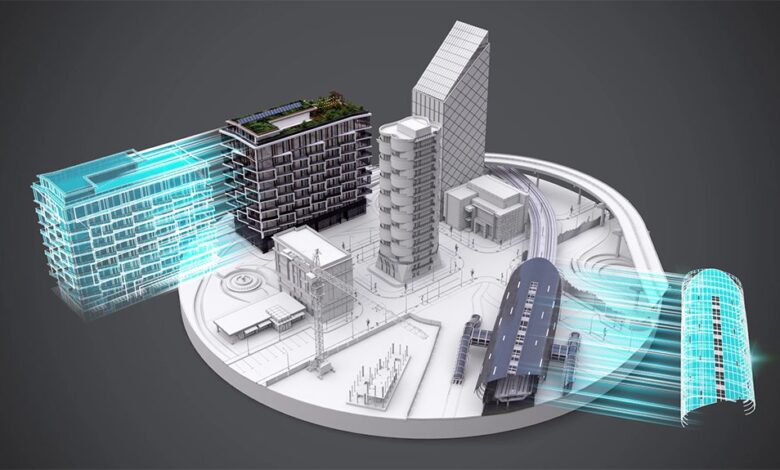
City-Scale Digital Twins: Comprehensive virtual models of entire cities for planning and management.
-
Integrated Urban Management: Platforms that coordinate building design with infrastructure, transportation, and public services.
-
Community Engagement Platforms: Systems that enable meaningful community participation in urban design decisions.
Conclusion: The Inevitable Platform Future of Architecture
The disruption of traditional architectural firms by digital platforms represents more than a technological shift—it signifies a fundamental transformation of architectural practice’s very nature. The most successful future practices will be those that embrace platform capabilities not as threats but as opportunities to deliver better architecture more efficiently, to engage clients more meaningfully, and to create more sustainable, responsive built environments. While platforms automate certain aspects of architectural work, they simultaneously elevate the value of uniquely human capabilities—creative synthesis, ethical judgment, cultural understanding, and emotional intelligence. The architects and firms that will thrive in this new landscape are those that leverage platforms to amplify these human strengths while automating routine tasks. In this future, architectural excellence will be defined not by resistance to technological change but by mastery of it—creating practices that are simultaneously more technologically sophisticated and more deeply human-centered. The platform revolution in architecture is not the end of the profession but its necessary evolution—a transformation that promises to make great design more accessible, sustainable, and meaningful than ever before.
Tags: digital architecture, architectural platforms, design technology, architectural innovation, digital transformation, AI in architecture, cloud collaboration, architectural business models, digital disruption, future of practice, architectural technology, platform economy