Architectural Innovation Drives Smarter Urban Futures

The Evolution of Urban Design Leadership
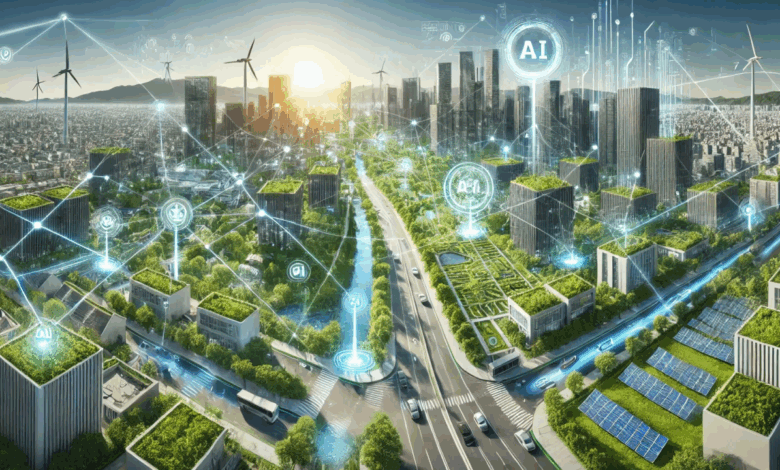
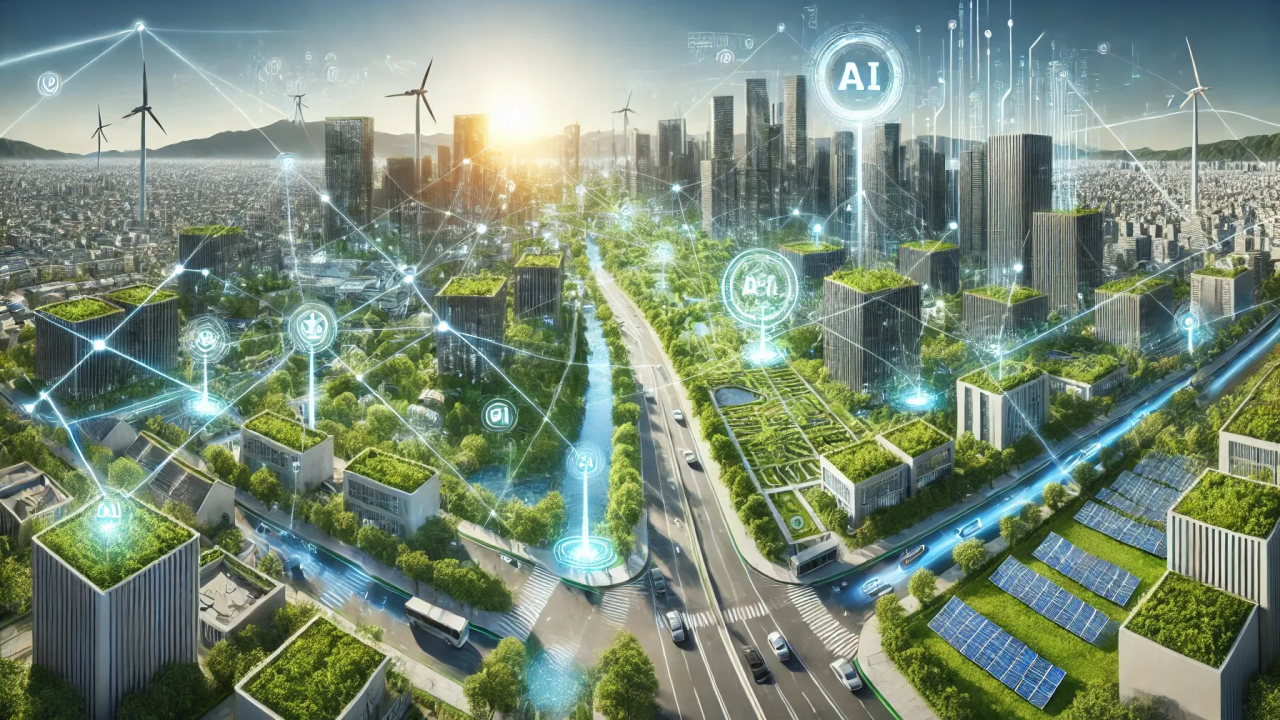
The global urban landscape is undergoing its most significant transformation since the industrial revolution as visionary architects emerge as the pivotal leaders in smart city development. This paradigm shift represents a fundamental reimagining of urban ecosystems, where architectural expertise extends beyond creating individual structures to orchestrating complex, interconnected urban systems. Today’s forward-thinking architects are leveraging cutting-edge technologies, sustainable principles, and human-centric design philosophies to shape cities that are not merely efficient, but responsive, adaptive, and profoundly livable. From integrating artificial intelligence into building ecosystems to designing carbon-positive urban districts, these architectural innovators are addressing the urgent challenges of urbanization, climate change, and technological disruption. This comprehensive analysis explores how architectural leadership is redefining urban futures through interdisciplinary collaboration, technological integration, and a renewed focus on creating cities that enhance both human wellbeing and environmental health.
A. The Expanded Role of Architects in Urban Ecosystems
Contemporary architects have transcended traditional boundaries to become orchestrators of complex urban systems.
A.1. Multidisciplinary Integration and Systems Thinking
Modern urban architects function as synthesis professionals who integrate diverse specialties into cohesive urban solutions.
-
Data Science and Analytics Integration: Leading architectural firms now employ dedicated data scientists who analyze urban patterns, energy flows, and human movement to inform design decisions that optimize urban functionality.
-
Ecological Engineering Collaboration: Architects partner with environmental scientists to create buildings and urban districts that function as active ecological contributors, incorporating features like habitat restoration, air purification, and microclimate regulation.
-
Social Science Application: Through collaboration with anthropologists and sociologists, architects design spaces that foster community interaction, support diverse populations, and promote social equity within increasingly complex urban environments.
A.2. Technological Fluency and Digital Transformation
Architectural leadership now requires mastery of emerging technologies that reshape urban possibilities.
-
Generative Design Implementation: Architects use algorithms to explore thousands of design variations optimized for specific parameters like energy efficiency, daylight access, and construction cost, resulting in solutions that often defy conventional design intuition.
-
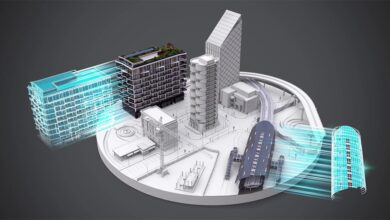
Digital Twin Creation: Sophisticated virtual replicas of urban developments allow architects to simulate performance under various conditions, test interventions, and optimize systems before physical implementation.
-
IoT Integration Expertise: Architects now design with embedded sensor networks as fundamental components, creating structures and spaces that can monitor their own performance, adapt to changing conditions, and communicate with broader urban systems.
A.3. Policy Influence and Regulatory Innovation
Progressive architects are actively shaping the regulatory frameworks that govern urban development.
-
Performance-Based Code Development: Forward-thinking architects are working with municipalities to replace prescriptive building codes with performance-based standards that encourage innovation while ensuring safety and accessibility.
-
Climate Resilience Standards: Architectural leaders are helping cities develop new requirements for flood protection, heat mitigation, and energy independence that address emerging climate challenges.
-
Digital Infrastructure Policy: As cities become more connected, architects are contributing to standards for data collection, privacy protection, and public access to urban information systems.
B. Technological Foundations of Architect-Led Smart Cities
Architectural innovation is leveraging specific technologies to create more intelligent urban environments.
B.1. Artificial Intelligence and Machine Learning Applications
AI is transforming how architects design and manage urban environments.
-
Predictive Analytics for Urban Planning: AI systems analyze vast datasets to forecast urban growth patterns, infrastructure needs, and environmental impacts, enabling more proactive and responsive urban design.
-
Adaptive Building Management: Machine learning algorithms optimize energy use, space utilization, and maintenance schedules in real-time, reducing operational costs while improving user experience.
-
Generative Urban Design: AI tools help architects explore countless urban layout alternatives, optimizing for multiple objectives simultaneously including walkability, solar access, social interaction, and emergency access.
B.2. Sustainable Technology Integration
Architects are implementing advanced systems that make cities more environmentally responsible.
-
Circular Material Systems: Innovative architects are creating material banks and designing for disassembly, ensuring building components can be reused or repurposed rather than ending up as waste.
-
District Energy Systems: Architectural visionaries are designing integrated energy networks that share heating, cooling, and power between buildings, dramatically improving efficiency and enabling greater renewable energy integration.
-
Urban Agriculture Integration: Architects are incorporating productive landscapes into buildings and public spaces, reducing food transportation needs while creating educational opportunities and community amenities.
B.3. Human-Centric Technology Design
Technology is being deployed to enhance rather than replace human experience in cities.
-
Responsive Environments: Buildings and public spaces that adapt to user needs through adjustable lighting, temperature, and spatial configurations that respond to occupancy and activity patterns.
-
Accessibility Innovation: New technologies are being integrated to create environments that are more navigable and usable for people with diverse abilities and needs.
-
Digital-Physical Integration: Thoughtful blending of digital interfaces with physical spaces to enhance wayfinding, social interaction, and access to information without creating digital divides.

C. Exemplary Projects and Implementation Models
Groundbreaking projects worldwide demonstrate how architectural leadership is creating smarter urban environments.
C.1. European Smart District Innovations
European cities are showcasing integrated approaches to smart urban development.
-
Helsinki’s Kalasatama District: This former port area has been transformed into a living lab where architects collaborate with residents to test and refine smart city technologies, with features including automated waste collection, shared electric mobility systems, and energy-positive buildings.
-
Copenhagen’s Nordhavn Development: Architects have created a climate-resilient district that combines dense urban living with extensive blue-green infrastructure, smart energy grids, and digital systems that optimize resource use while maintaining historic character.
-
Amsterdam’s Circular Buiksloterham: This pioneering circular economy district features buildings designed as material banks, extensive water recycling systems, and community facilities that support sharing economies rather than individual ownership.
C.2. Asian Megacity Transformations
Asian cities are implementing smart solutions at unprecedented scale.
-
Singapore’s Punggol Digital District: This integrated development co-loses a university campus with industry partners in a car-lite environment featuring centralized cooling, automated goods delivery, and digital twins that optimize operations across the entire district.
-
Tokyo’s Toranomon-Azabudai District: This massive redevelopment creates a layered urban landscape with extensive underground infrastructure, elevated green spaces, and integrated smart systems that manage energy, transportation, and public services as a unified ecosystem.
-
Seoul’s Sangam Digital Media City: Once a landfill, this district now hosts a concentration of digital industries in buildings designed with smart infrastructure, testbeds for emerging technologies, and public spaces that serve as living laboratories for urban innovation.
C.3. North American Sustainable Communities
American and Canadian cities are demonstrating new models for sustainable urban living.
-
Toronto’s Quayside Development: Though scaled back, this ambitious project pioneered new approaches to smart urbanism with timber construction, adaptive reuse of infrastructure, and integrated data systems designed with privacy as a fundamental principle.
-
San Francisco’s Transbay District: This redeveloped area incorporates seismic resilience, district energy systems, and smart mobility infrastructure within a dense urban context while maintaining connections to historic neighborhoods.
-
Vancouver’s False Creek North: This ongoing development continues to set standards for green building, sustainable transportation, and community integration through progressive architectural leadership and innovative public-private partnerships.
D. Implementation Challenges and Strategic Solutions
The path to architect-led smart cities faces significant hurdles that require innovative approaches.
D.1. Technological and Infrastructure Barriers
Complex technological systems present implementation challenges.
-
Interoperability Standards: Architects are leading efforts to establish common standards that allow diverse smart systems to communicate and function together seamlessly.
-
Legacy Infrastructure Integration: Innovative approaches are needed to incorporate smart technologies within existing urban fabrics rather than only in new developments.
-
Cybersecurity Implementation: As cities become more connected, architects must collaborate with security experts to embed protection measures at the design phase rather than as afterthoughts.
D.2. Economic and Financial Considerations
Smart city features often require new funding and business models.
-
Lifecycle Cost Analysis: Architects are developing more sophisticated tools to demonstrate how upfront investments in smart technologies yield long-term savings and value creation.
-
Phased Implementation Strategies: Breaking large smart city projects into manageable phases allows for learning, adaptation, and more flexible financing.
-
Value Capture Mechanisms: Innovative approaches are enabling cities to fund smart infrastructure through capturing a portion of the increased property values and economic activity these investments generate.
D.3. Social Equity and Community Engagement
Ensuring smart cities benefit all residents requires intentional approaches.
-
Digital Inclusion Strategies: Architects are designing spaces and systems that provide access to digital technologies for all community members, regardless of income or technical proficiency.
-
Participatory Design Processes: New engagement methods allow residents to co-create smart city solutions that address local priorities and incorporate community knowledge.
-
Equitable Benefit Distribution: Monitoring and evaluation frameworks help ensure that smart city investments deliver improvements for all demographic groups, not just technologically savvy elites.

E. Future Directions and Emerging Opportunities
Architectural leadership in smart cities continues to evolve with new technologies and changing urban priorities.
E.1. Climate Adaptation and Resilience Focus
Architects are increasingly designing for climate disruption rather than historical conditions.
-
Carbon-Positive Urban Districts: Next-generation developments are being designed to sequester more carbon than they emit through innovative materials, renewable energy systems, and integrated vegetation.
-
Climate-Responsive Infrastructure: Buildings and public spaces are being designed to adapt to changing weather patterns, with features that provide cooling during heatwaves, manage stormwater during deluges, and protect against sea level rise.
-
Circular Economy Integration: Urban districts are being conceived as closed-loop systems where waste from one process becomes input for another, dramatically reducing resource consumption and environmental impact.
E.2. Health and Wellbeing Prioritization
Urban design is increasingly focused on supporting human health.
-
Biophilic Design Integration: Architects are creating environments that strengthen people’s connection to nature, with demonstrated benefits for mental health, cognitive function, and stress reduction.
-
Active Design Implementation: Urban layouts and building designs that naturally encourage physical activity through inviting stairs, walkable distances, and accessible recreational opportunities.
-
Social Connection Fostering: Spaces designed to facilitate positive social interaction and combat loneliness and isolation in increasingly dense urban environments.
E.3. Technological Convergence and Innovation
Emerging technologies promise to further transform urban possibilities.
-
Advanced Materials Science: New materials with embedded sensors, self-healing properties, and adaptive characteristics will enable more responsive and durable urban environments.
-
Spatial Computing Integration: Augmented and virtual reality technologies will create new layers of information and interaction within physical urban spaces.
-
Autonomous System Integration: As transportation and delivery systems become increasingly automated, architects are designing urban environments that accommodate and leverage these technologies safely and efficiently.
Conclusion: The Inevitable Integration of Architecture and Urban Intelligence
The leadership of architects in shaping smart cities represents more than a professional evolution—it signals a fundamental redefinition of urban life in the 21st century. The most successful future cities will be those where architectural vision, technological capability, and human needs are seamlessly integrated into cohesive urban ecosystems. As cities continue to grow in both population and importance, the architectural profession’s ability to synthesize diverse knowledge, anticipate future challenges, and create inspiring yet functional environments will become increasingly vital. The architects leading this transformation understand that true smart cities aren’t merely technologically advanced; they are humane, sustainable, resilient, and delightful places that enhance human potential while respecting planetary boundaries. In this context, architectural leadership in smart city development represents not just a professional opportunity, but a essential contribution to creating urban futures that are worthy of their inhabitants.
Tags: smart cities, urban architecture, sustainable design, future cities, urban planning, smart infrastructure, architectural innovation, urban technology, sustainable development, intelligent buildings, urban design, digital transformation