Architectural Innovation Solves Global Housing Crisis

The Architectural Response to Housing Insecurity
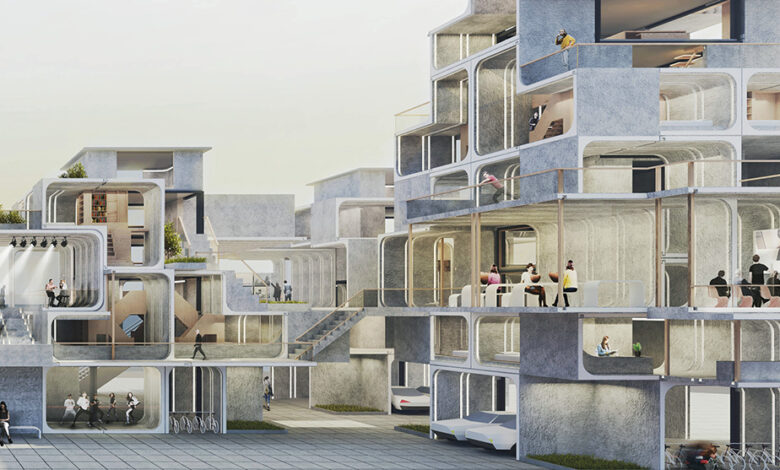
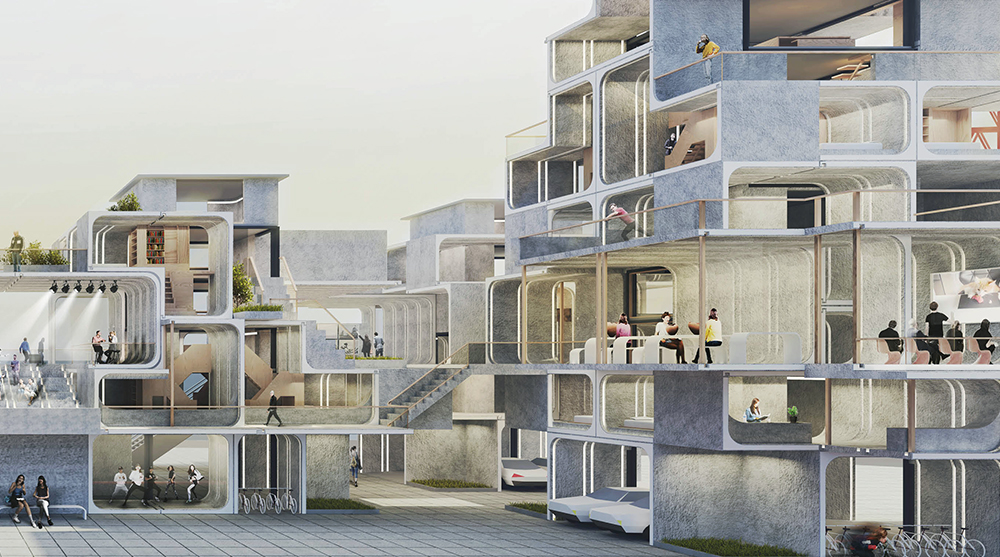
The global housing crisis represents one of the most pressing challenges of our time, with an estimated 1.6 billion people worldwide lacking adequate shelter and countless more burdened by housing costs that consume unsustainable portions of their income. In response, architects worldwide are deploying innovative design strategies that reimagine how housing can be created, delivered, and maintained. This architectural revolution extends far beyond mere cost reduction—it encompasses new construction methodologies, alternative ownership models, and community-centered approaches that address both the quantitative shortage and qualitative inadequacy of housing. From modular micro-homes that can be deployed rapidly to co-housing communities that rebuild social fabric, architects are proving that design intelligence can create housing solutions that are simultaneously more affordable, more sustainable, and more humane than conventional approaches. This comprehensive analysis explores how architectural innovation is addressing the housing crisis, the design strategies showing greatest promise, implementation challenges, and the potential for scaling these solutions to achieve meaningful impact.
A. The Multifaceted Nature of the Housing Crisis
Understanding the crisis requires examining its interconnected dimensions that demand architectural responses.
A.1. Affordability and Economic Accessibility
The fundamental mismatch between housing costs and what people can afford drives the crisis.
-
Construction Cost Escalation: Traditional building methods have seen costs rise faster than inflation, making new housing increasingly unaffordable without subsidies.
-
Land Value Inflation: Speculative land markets price developable land beyond reach for affordable housing projects without creative site strategies.
-
Maintenance and Operational Costs: Many households face housing cost burdens not just from purchase or rent but from utilities, repairs, and property taxes.
A.2. Supply and Distribution Inefficiencies
The crisis involves both absolute shortage and geographical mismatch.
-
Urban-Rural Imbalances: Concentrated job opportunities in high-cost urban areas while affordable housing exists primarily in regions with fewer economic opportunities.
-
Unit Size Mismatch: The predominance of single-family homes and luxury apartments in many markets fails to match actual household composition and needs.
-
Regulatory Barriers: Zoning restrictions, parking requirements, and approval processes that delay or prevent appropriate housing development.
A.3. Quality and Suitability Deficits
Much existing housing fails to meet basic standards for health, safety, and dignity.
-
Substandard Conditions: Millions live in housing lacking basic sanitation, weather protection, or structural safety.
-
Environmental Health Hazards: Issues like mold, lead, poor ventilation, and extreme temperatures affect physical health, particularly for vulnerable populations.
-
Lack of Adaptability: Housing that cannot accommodate changing household needs, disabilities, or aging in place.
B. Innovative Architectural Strategies for Housing Solutions
Architects are developing multiple approaches that address different aspects of the housing crisis.
B.1. Construction Innovation and Cost Reduction
New building methods are dramatically reducing costs while maintaining quality.
-
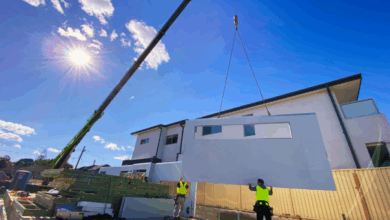
Modular and Prefabricated Systems: Factory production of housing components or entire units can reduce costs by 20-40% while improving quality and reducing construction time.
-
Alternative Material Applications: Using engineered wood, structural insulated panels, and locally sourced materials can lower both material and labor costs.
-
Design Simplification and Standardization: Eliminating unnecessary complexity while maintaining quality through thoughtful standardization of components and details.
B.2. Spatial Efficiency and Flexible Design
Making better use of every square foot through intelligent design.
-
Micro-Unit and Compact Living: Well-designed small units (300-500 square feet) can provide full livability at significantly lower cost when designed with careful space planning and multifunctional elements.
-
Transformable Spaces: Rooms that serve multiple functions through movable partitions, convertible furniture, and smart storage solutions.
-
Shared Amenity Strategies: Providing generous communal spaces that supplement compact private units, offering residents access to facilities they couldn’t afford individually.
B.3. Community-Integrated Models
Architectural approaches that strengthen social connections while providing housing.
-
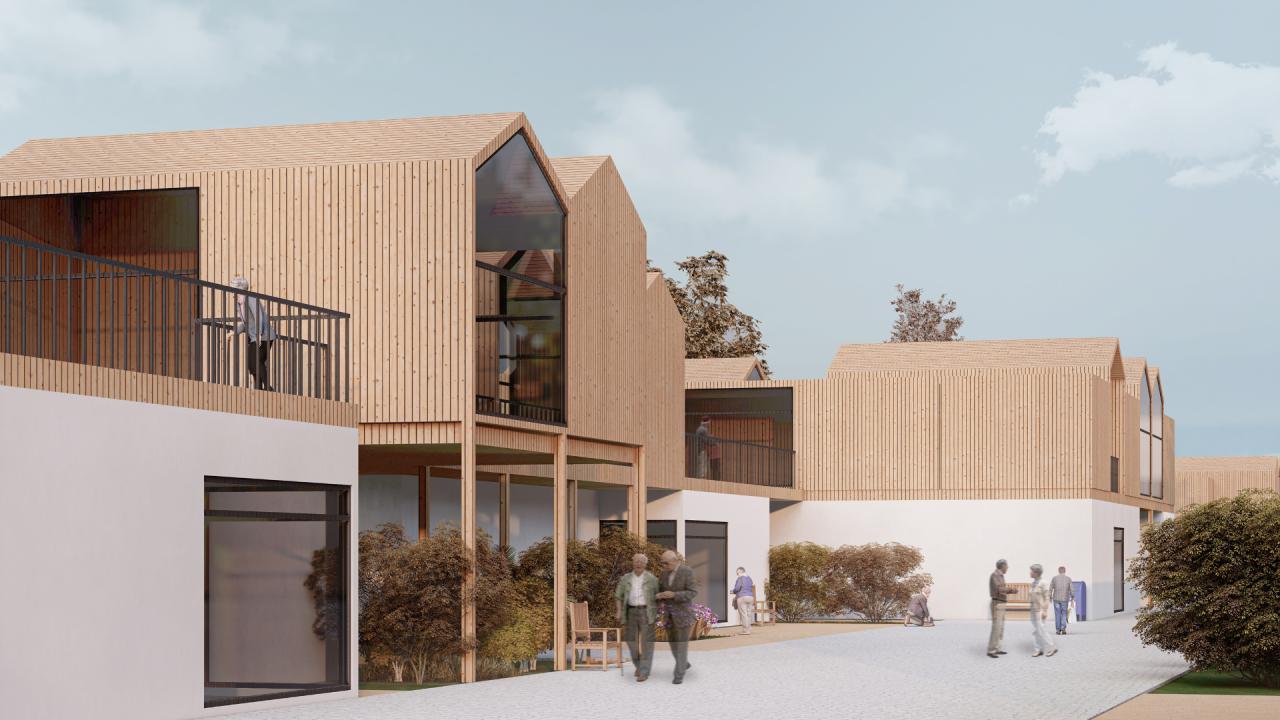
Co-Housing and Intentional Communities: Developments with private units clustered around shared facilities that foster community interaction and mutual support.
-
Intergenerational Housing: Designs that bring different age groups together, creating natural support systems and reducing isolation.
-
Mixed-Income Developments: Projects that integrate affordable units within market-rate developments, avoiding economic segregation while cross-subsidizing affordability.

C. Technological Enablers of Affordable Housing Innovation
Advanced technologies are making previously impossible housing solutions feasible.
C.1. Digital Design and Fabrication Technologies
Computational tools enable more efficient and precise housing design and production.
-
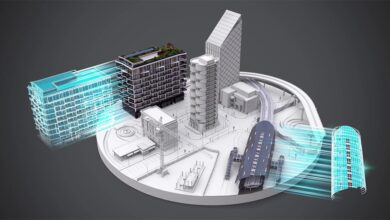
Generative Design Systems: Algorithms that optimize unit layouts for maximum efficiency, natural light, and functionality within minimal square footage.
-
Digital Fabrication: Robotic manufacturing of building components with precision that reduces waste and enables complex assemblies that would be cost-prohibitive with manual labor.
-
BIM for Affordable Housing: Building Information Modeling that coordinates all systems to avoid costly conflicts and changes during construction.
C.2. Material Science Innovations
New materials are reducing costs while improving performance.
-
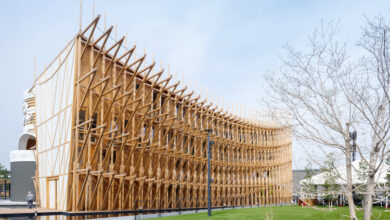
Mass Timber Construction: Engineered wood products that enable faster, quieter construction with lower embodied carbon than concrete or steel.
-
Advanced Insulation Systems: High-performance materials that reduce heating and cooling costs, making housing more affordable to operate.
-
Durable Low-Maintenance Materials: Products that withstand wear while requiring minimal upkeep, reducing long-term costs for residents and owners.
C.3. Sustainable Systems Integration
Technologies that reduce both initial and ongoing housing costs.
-
Passive House Standards: Ultra-efficient building envelopes that dramatically reduce mechanical system requirements and energy costs.
-
District Energy Systems: Shared heating, cooling, and hot water systems that achieve economies of scale unavailable to individual buildings.
-
Water Recycling and Rainwater Harvesting: Systems that reduce water bills while increasing resilience to drought.
D. Global Exemplars of Innovative Housing Solutions
Pioneering projects worldwide demonstrate viable approaches to the housing crisis.
D.1. European Social Housing Innovations
European nations with strong social housing traditions are pioneering new models.
-
Vienna’s Social Housing Program, Austria: This century-old program continues to innovate with high-design social housing that integrates seamlessly with market-rate developments, avoiding stigma while providing 60% of the city’s residents with quality affordable housing.
-
Copenhagen’s 8 House, Denmark (BIG): This mixed-income development creates a vertical neighborhood with housing for different income levels united by a continuous public ramp connecting all residents.
-
London’s Marmalade Lane, UK (Mole Architects): This co-housing development provides private homes with extensive shared facilities, demonstrating how community-oriented design can reduce costs while enhancing quality of life.
D.2. North American Affordable Housing Breakthroughs
American and Canadian architects are developing context-specific solutions.
-
Los Angeles’ Star Apartments, USA (Michael Maltzan Architecture): This supportive housing project for formerly homeless individuals demonstrates how innovative architecture can serve the most vulnerable populations with dignity and beauty.
-
Vancouver’s Passive House Towers, Canada: These high-rise social housing buildings achieve exceptional energy performance, reducing operating costs that often burden low-income residents.
-
Detroit’s The Corner, USA (EDRD): This development combines affordable housing with commercial space and community facilities, activating a formerly distressed neighborhood.
D.3. Global South Contextual Solutions
Developing nations are creating innovative responses to extreme resource constraints.
-
Chile’s Elemental Incremental Housing, Chile (Alejandro Aravena): These “half-a-house” designs provide the essential structural framework and services, allowing residents to complete their homes over time as resources allow.
-
India’s 10K House, India (Tata): This ultra-low-cost home demonstrates how thoughtful design can create dignified housing at unprecedented low cost through standardization and efficient manufacturing.
-
South Africa’s Empower Shack, South Africa (URBAN FRAMEWORK): This two-story informal settlement upgrade provides safety and basic services while maintaining the social networks of existing communities.
E. Implementation Challenges and Strategic Responses
Scaling housing innovations faces significant barriers that require strategic approaches.
E.1. Financial and Economic Hurdles
Making innovative housing financially viable requires creative approaches.
-
Phased Development Strategies: Building in stages to match funding availability while maintaining overall design coherence.
-
Cross-Subsidization Models: Using revenue from market-rate units to fund affordable units within the same development.
-
Community Land Trusts: Removing land from the speculative market to preserve long-term affordability.
E.2. Regulatory and Policy Barriers
Existing regulations often impede innovation in housing delivery.
-
Zoning Reform Advocacy: Working with municipalities to update zoning that prohibits diverse housing types and densities.
-
Alternative Compliance Paths: Developing engineering solutions that meet safety goals through different means than prescribed by codes.
-
Streamlined Approval Processes: Creating expedited review pathways for projects meeting specific affordability and sustainability criteria.
E.3. Community Acceptance and NIMBYism
Gaining community support for innovative housing approaches.
-
Early and Meaningful Engagement: Involving community members in design processes from the beginning to build support and incorporate local knowledge.
-
Design Excellence as Advocacy: Creating beautiful, context-sensitive affordable housing that challenges stereotypes about low-cost development.
-
Benefits Communication: Clearly articulating how innovative housing solutions benefit entire communities, not just residents.
F. Future Directions and Scaling Potential
The most promising housing innovations point toward systemic change.
F.1. Mainstreaming Innovation
Moving promising solutions from pilot projects to standard practice.
-
Policy Integration: Incorporating successful innovations into building codes, zoning regulations, and funding requirements.
-
Industry Adoption: Transitioning innovative methods from specialist practitioners to mainstream builders and developers.
-
Education and Training: Ensuring the next generation of architects and builders are equipped with skills for innovative housing delivery.
F.2. Technology Acceleration
Emerging technologies promise further breakthroughs in housing affordability.
-
Robotic Construction: Automated systems that can build faster, cheaper, and with less waste than conventional methods.
-
3D Printed Housing: Additive manufacturing that creates entire structures with minimal labor and material waste.
-
AI-Optimized Design: Systems that continuously improve housing design based on performance data from occupied units.
F.3. Systemic Integration
Connecting housing innovation to broader urban systems.
-
Transit-Oriented Development: Locating affordable housing to minimize transportation costs and maximize access to opportunity.
-
Community Wealth Building: Designing housing developments that create economic opportunities for residents.
-
Climate Resilience Integration: Ensuring affordable housing is located and designed to withstand climate impacts.
Conclusion: Architecture’s Essential Role in Housing Justice
The global housing crisis represents not just a quantitative shortage of shelter but a failure of imagination and priority in how we conceive of housing’s role in human flourishing. The architectural innovations addressing this crisis demonstrate that the solution lies not in lowering standards but in raising our ambition for what housing can be—not just shelter but a foundation for health, dignity, community, and opportunity. The most promising approaches show that we can create housing that is simultaneously more affordable and more beautiful, more efficient and more humane, more standardized and more responsive to individual needs. As these innovations scale and evolve, they point toward a future where adequate housing is understood not as a commodity but as a fundamental human right, and where architectural excellence is measured not by luxury but by accessibility. In this future, the architects and communities leading this transformation will be recognized not merely as designers of buildings but as builders of more just, sustainable, and compassionate societies—proving that the crisis of housing is ultimately a crisis of imagination, and that design intelligence applied with ethical commitment can help solve even our most intractable challenges.
Tags: affordable housing, housing crisis, architectural innovation, social housing, sustainable design, modular construction, community design, housing solutions, urban planning, cost-effective design, innovative materials, housing policy