Architectural Revolution Through AI Integration

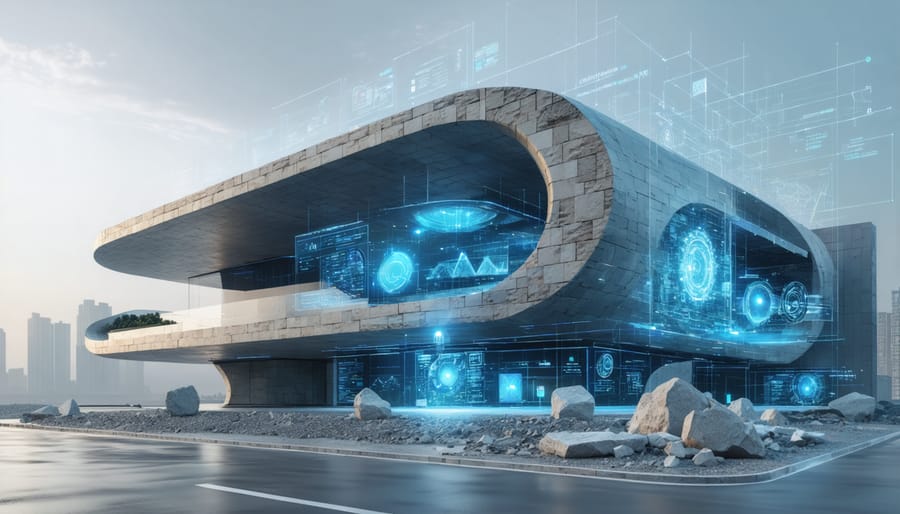
The Digital Transformation of Architectural Practice
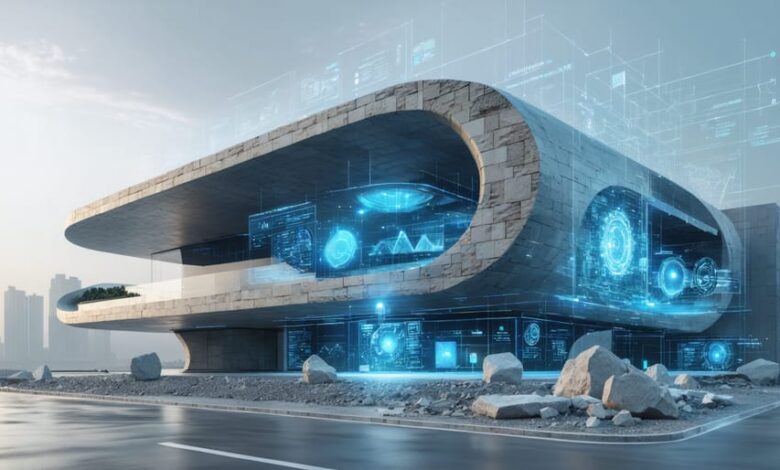
The architectural profession is undergoing its most significant paradigm shift since the transition from drafting tables to CAD, as artificial intelligence rapidly evolves from experimental tool to essential collaborator. This technological revolution is transforming every phase of architectural practice, from initial concept generation to construction administration and building lifecycle management. Forward-thinking architects are no longer merely using AI as a productivity tool but are establishing entirely new workflows and design methodologies that leverage machine learning, generative algorithms, and predictive analytics. This integration is enabling the creation of buildings and spaces that are more responsive to human needs, more environmentally sustainable, and more beautifully complex than previously imaginable. As AI systems demonstrate capabilities ranging from optimizing structural efficiency to predicting how people will experience spaces, architects who embrace these technologies are discovering unprecedented opportunities to enhance their creative vision while addressing the urgent challenges of climate change, urbanization, and resource constraints. This comprehensive analysis explores how AI is reshaping architectural practice, the specific technologies driving this transformation, the ethical considerations emerging from human-AI collaboration, and the future landscape of computational design.
A. The AI Toolkit: Technologies Reshaping Architectural Practice
Architects are leveraging a diverse ecosystem of AI technologies that each address different aspects of the design and delivery process.
A.1. Generative Design and Computational Creativity
AI systems are moving beyond optimization to become genuine creative partners in the design process.
-
Multi-Objective Optimization Algorithms: Systems like Autodesk’s Dreamcatcher allow architects to input design goals and constraints, then generate thousands of alternatives that balance competing priorities such as energy efficiency, structural performance, material usage, and aesthetic preferences.
-
Style Learning and Adaptation: Machine learning systems can analyze architectural precedents and generate new designs that embody the principles of specific styles or architects while adapting to contemporary requirements and technologies.
-
Parametric Evolution Systems: Algorithms inspired by biological evolution enable designs to “evolve” through successive generations, with architects guiding the selection process toward solutions that exhibit emergent properties not initially anticipated.
A.2. Predictive Analytics and Performance Simulation
AI is dramatically improving architects’ ability to predict how buildings will perform and be experienced.
-
Energy Modeling and Climate Response: Advanced systems can predict energy consumption with unprecedented accuracy, enabling designs that are finely tuned to their specific microclimates and usage patterns.
-
Human Behavior Prediction: By analyzing vast datasets of how people move through and use spaces, AI can predict circulation patterns, social interaction opportunities, and potential congestion points before buildings are constructed.
-
Material Performance Forecasting: Machine learning models can predict how new material assemblies will age and perform over time, reducing uncertainty in innovative construction approaches.
A.3. Computer Vision and Spatial Understanding
AI’s ability to interpret visual information is transforming how architects document, analyze, and understand the built environment.
-
Site Analysis Automation: Drones equipped with computer vision can survey sites and automatically identify topographic features, solar exposure, vegetation, and existing context far more comprehensively than traditional methods.
-
Existing Conditions Documentation: AI systems can rapidly process photographic surveys of existing buildings to create accurate as-built models, significantly reducing the time required for renovation projects.
-
Regulatory Compliance Checking: Computer vision algorithms can review drawings and models to identify potential code violations or zoning issues before submission, reducing costly redesign cycles.
B. Transformative Applications Across Project Lifecycles
AI technologies are delivering value across every phase of architectural practice, from initial conception to long-term operation.
B.1. Conceptual Design and Schematic Development
The earliest design phases are being revolutionized by AI’s ability to rapidly explore possibilities.
-
Site-Specific Massing Studies: Algorithms can generate hundreds of massing options that respond to solar orientation, views, wind patterns, and contextual relationships, providing architects with unexpected starting points.
-
Program Optimization: AI systems can suggest optimal arrangements of program elements based on adjacency requirements, circulation efficiency, and experiential qualities, often revealing organizational strategies that human designers might overlook.
-
Precedent Analysis and Synthesis: Natural language processing can scan thousands of architectural case studies to identify relevant precedents, while computer vision systems can analyze these examples to extract applicable principles.
B.2. Design Development and Technical Resolution
As projects develop greater specificity, AI assists in resolving complex technical challenges.
-
Structural Optimization: Generative algorithms can create highly efficient structural systems that use minimal material while meeting performance requirements, often producing organic forms that would be difficult to conceive through traditional methods.
-
Building System Integration: AI can coordinate the complex spatial relationships between structural, mechanical, electrical, and plumbing systems, identifying and resolving conflicts automatically.
-
Facade Design Optimization: Algorithms can generate facade patterns that balance daylighting, views, solar heat gain, and aesthetic composition, responding precisely to orientation and program requirements.
B.3. Construction and Post-Occupancy Phases
AI’s impact extends beyond design into physical realization and long-term building performance.
-
Construction Sequencing Optimization: AI can analyze building information models to suggest optimal construction sequences that minimize time, cost, and site disruption.
-
Fabrication and Robotic Construction: AI-driven robotic systems can translate complex digital designs into physical construction with precision and efficiency impossible through manual methods.
-
Performance Monitoring and Adaptation: Once buildings are occupied, AI systems can continuously monitor performance and suggest operational adjustments or identify maintenance needs before they become problems.
C. Human-AI Collaboration: Evolving the Architect’s Role
Rather than replacing architects, AI is transforming their responsibilities and required skill sets.
C.1. The Evolving Skill Set for AI-Augmented Practice
Architects are developing new competencies to effectively collaborate with AI systems.
-
Computational Thinking and Algorithmic Literacy: Understanding how to formulate design problems in ways that AI can process and manipulate is becoming as important as traditional design skills.
-
Data Curation and Management: Architects must learn to identify, collect, and prepare the data that trains and guides AI systems toward desirable outcomes.
-
Human-Centric Evaluation: As AI generates alternatives, architects must exercise refined judgment about which solutions best serve human needs and experiences—a skill that remains distinctly human.
C.2. New Creative Workflows and Processes
AI is enabling design processes that were previously impossible or impractical.
-
Exploratory Design Processes: Architects can use AI to rapidly explore design territories far beyond what would be feasible through manual methods, discovering unexpected possibilities.
-
Participatory Design at Scale: AI can synthesize input from numerous stakeholders to generate designs that balance diverse preferences and requirements.
-
Real-Time Performance Feedback: Designers can receive immediate feedback about how design decisions impact multiple performance criteria, enabling more informed trade-offs.
C.3. Enhanced Design Validation and Quality Assurance
AI is providing architects with new ways to validate and improve their designs.
-
Predictive User Experience Modeling: Before construction, architects can use AI to simulate how people will experience spaces, identifying potential issues with wayfinding, comfort, or social dynamics.
-
Accessibility and Inclusion Analysis: AI systems can automatically check designs against accessibility standards and identify opportunities to enhance inclusion beyond minimum requirements.
-
Resilience and Adaptation Assessment: Algorithms can evaluate how designs will perform under changing climate conditions or unusual events, suggesting improvements to enhance long-term resilience.
D. Ethical Considerations and Responsible Implementation
The integration of AI into architectural practice raises important ethical questions that the profession must address.
D.1. Bias and Fairness in Algorithmic Design
AI systems can perpetuate and amplify biases present in their training data.
-
Cultural Representation in Precedent Analysis: If AI systems are trained primarily on architectural works from certain cultures or traditions, they may struggle to generate appropriate designs for other contexts.
-
Accessibility and Universal Design: Without careful guidance, AI may optimize for typical users while overlooking the needs of people with disabilities or other special requirements.
-
Economic Equity Considerations: AI-driven optimization for construction cost efficiency might inadvertently disadvantage certain user groups or prioritize developer profits over social benefit.
D.2. Intellectual Property and Authorship
The collaborative nature of human-AI design challenges traditional concepts of architectural authorship.
-
Attribution for AI-Generated Elements: When AI systems contribute significantly to a design, questions arise about proper attribution and the nature of architectural creativity.
-
Training Data Rights and Compensation: AI systems trained on existing architectural works raise questions about whether original creators should be compensated when their work influences new designs.
-
Protection of Innovative Processes: As AI-enabled design processes become competitive advantages, how should firms protect their methodological innovations?
D.3. Professional Responsibility and Liability
The introduction of AI into design decision-making complicates traditional responsibility frameworks.
-
Validation of AI Recommendations: Architects must develop methods to verify that AI-generated solutions are appropriate, safe, and aligned with project goals.
-
Transparency in Design Processes: Clients and stakeholders may need to understand the role AI played in generating designs, particularly when unconventional solutions are proposed.
-
Liability for AI-Generated Errors: When AI systems make recommendations that lead to problems, determining responsibility requires new legal and professional frameworks.

E. Future Directions and Emerging Possibilities
The integration of AI in architecture continues to evolve with new capabilities and applications constantly emerging.
E.1. Advanced Generative Capabilities
Future AI systems will exhibit increasingly sophisticated design abilities.
-
Cross-Domain Synthesis: AI will better integrate influences from beyond architecture—biology, mathematics, art—to generate designs with richer conceptual foundations.
-
Narrative and Experience Generation: Systems will move beyond formal generation to create coherent spatial narratives and sequenced experiences.
-
Contextual Sensitivity: AI will develop deeper understanding of cultural, historical, and social contexts to generate more appropriate and meaningful designs.
E.2. Integration with Construction and Fabrication
The connection between digital design and physical realization will become more seamless.
-
Robotic Construction Adaptation: AI will enable construction robots to adapt to site conditions and material variations in real-time, bridging the gap between digital perfection and physical reality.
-
Generative Material Systems: AI will design not just forms but material compositions and assemblies optimized for specific performance requirements.
-
Circular Economy Integration: Algorithms will design for disassembly and reuse, creating buildings as material banks for future projects.
E.3. Adaptive and Responsive Architecture
AI will enable buildings that continuously evolve and improve over time.
-
Self-Optimizing Buildings: AI systems will manage building operations in real-time, balancing energy use, comfort, and maintenance needs autonomously.
-
Usage Pattern Adaptation: Buildings will reconfigure themselves based on changing usage patterns detected through sensor networks and AI analysis.
-
Participatory Evolution: Occupants will collaborate with building AI to co-create environments that better serve their evolving needs and preferences.
Conclusion: The Inevitable Partnership of Human and Machine Intelligence
The architectural profession’s embrace of AI represents not a replacement of human creativity but its augmentation and expansion. The most successful future practices will be those that develop sophisticated partnerships between human intuition and machine intelligence, leveraging the unique strengths of each. AI excels at processing vast amounts of data, exploring combinatorial possibilities, and optimizing for clearly defined objectives. Human architects bring contextual understanding, ethical judgment, emotional intelligence, and the ability to synthesize diverse considerations into coherent wholes. Together, they can create architecture that is more responsive to human needs, more responsible in its environmental impact, and more resonant in its cultural meaning. As AI technologies continue to evolve, the architectural profession has an unprecedented opportunity to redefine its value proposition—shifting from providers of design services to orchestrators of complex human-environment interactions. In this future, the question won’t be whether architects use AI, but how wisely and compassionately they guide its application toward creating a better built environment for all.
Tags: AI architecture, generative design, computational design, artificial intelligence, architectural technology, machine learning, parametric design, digital fabrication, smart buildings, algorithmic architecture, design innovation, future of architecture