Iconic Architecture Shapes 2025 Design Trends

The Architectural Zeitgeist of 2025
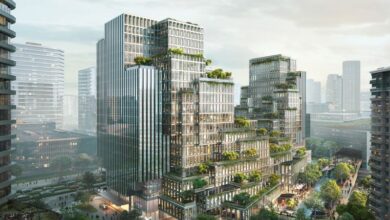
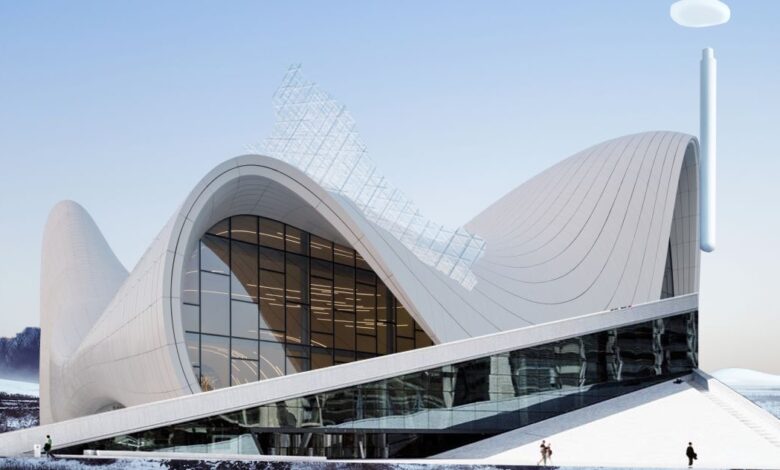
The architectural landscape of 2025 is being defined by a new generation of iconic projects that transcend mere aesthetic statements to address pressing global challenges through innovative design. These landmark structures are not just shaping skylines but are actively influencing architectural discourse, construction methodologies, and sustainability standards worldwide. From carbon-negative skyscrapers that function as vertical ecosystems to adaptive reuse projects that reimagine historical infrastructure, the most significant architectural achievements of our time are establishing powerful new paradigms for how buildings can serve both human needs and planetary health. This comprehensive analysis explores how current iconic projects are defining 2025 architectural trends, the technological and philosophical shifts they represent, their global implementation across diverse contexts, and the profound implications for the future of the built environment.
A. The New Definition of Architectural Iconicity
The criteria for what makes architecture iconic have evolved significantly in response to contemporary challenges.
A.1. Performance-Based Iconicity
Landmark status is increasingly earned through environmental and social performance rather than mere visual distinction.
-
Carbon-Negative Architecture: Projects like the Urban Sequoia concept demonstrate how buildings can absorb more atmospheric carbon than they emit throughout their lifecycle, transforming structures from environmental problems to climate solutions.
-
Water-Positive Developments: Iconic projects now often incorporate systems that collect, purify, and return more water to local ecosystems than they consume, addressing growing water scarcity concerns.
-
Biodiversity Enhancement: Buildings designed as vertical habitats that support local flora and fauna are redefining how architecture interacts with natural ecosystems.
A.2. Technological Innovation as Signature
Breakthrough technologies are becoming the defining features of contemporary iconic architecture.
-
Robotic Construction Integration: Projects like the DFAB HOUSE showcase how robotic fabrication and 3D printing are creating previously impossible forms while reducing waste and construction time.
-
Adaptive Building Skins: Dynamic facades that respond to environmental conditions in real-time are becoming signature elements of technologically advanced structures.
-
Integrated Renewable Systems: Buildings where energy generation is seamlessly incorporated into architectural expression rather than added as technical equipment.
A.3. Cultural and Social Impact
The most influential projects address social challenges through architectural innovation.
-
Affordable Housing Innovations: Projects that reinvent high-quality, cost-effective housing are gaining iconic status for their social impact.
-
Community-Centric Design: Buildings that serve as social infrastructure and community anchors are being celebrated as significant architectural achievements.
-
Cultural Preservation Reinvention: Projects that find innovative ways to preserve cultural heritage while serving contemporary needs.
B. Defining Trends in 2025 Architecture
Current iconic projects are establishing clear directions for architectural practice worldwide.
B.1. Circular Economy Integration
The most forward-thinking projects are embracing circular principles throughout their lifecycle.
-
Buildings as Material Banks: Structures designed for disassembly and material reuse, with digital passports tracking all components for future repurposing.
-
Adaptive Reuse as Standard Practice: The transformation of existing buildings has moved from niche to mainstream, with increasingly sophisticated approaches to heritage integration.
-
Waste-to-Resource Systems: Buildings that process their own waste and convert it into useful resources, moving toward closed-loop systems.
B.2. Biophilic and Wellness-Centered Design
The connection between human health and architectural environment has become a central concern.
-
Neuro-Architecture Applications: Designs informed by neuroscience research that optimize cognitive function, reduce stress, and enhance wellbeing.
-
Advanced Biophilic Integration: Moving beyond plants and natural light to incorporate natural patterns, materials, and spatial experiences that engage multiple senses.
-
Health Performance Certification: The proliferation of wellness standards like WELL and Fitwel is driving measurable health outcomes in architectural design.
B.3. Climate Resilience and Adaptation
Architecture is increasingly designed for changing environmental conditions.
-
Passive Survivability Focus: Buildings that maintain safe conditions during power outages or extreme weather events through passive design strategies.
-
Flood-Responsive Architecture: Amphibious foundations, elevated critical functions, and water-absorbent landscapes are becoming standard in vulnerable areas.
-
Heat Mitigation Strategies: Advanced shading, natural ventilation, and cool materials that reduce urban heat island effect and mechanical cooling demands.
C. Global Exemplars Shaping Architectural Discourse
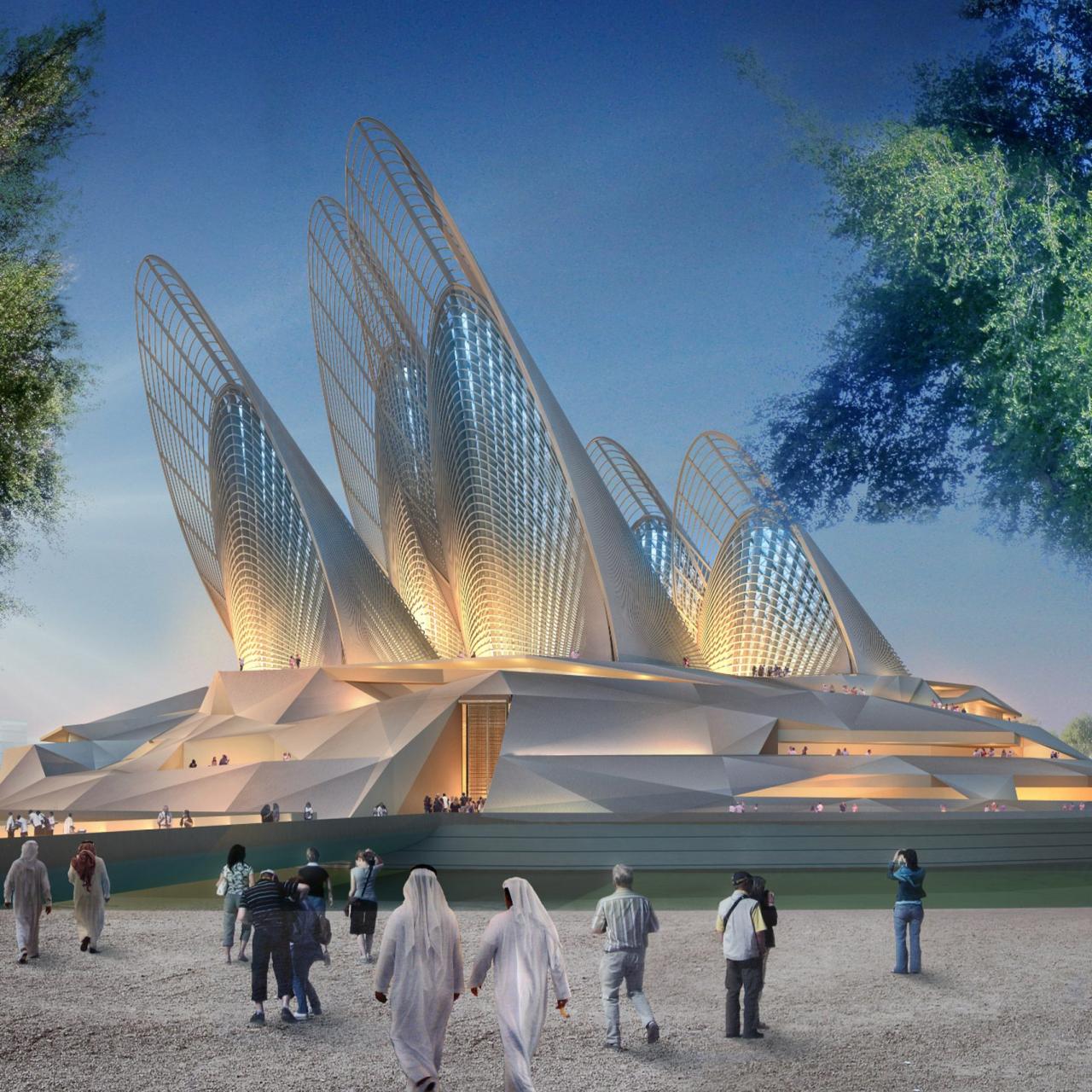
Specific projects worldwide are establishing new benchmarks for architectural excellence.
C.1. European Technological Leadership
European projects continue to pioneer advanced sustainable technologies.
-
The Edge Olympic, Amsterdam (OMA): This mixed-use development pushes the boundaries of energy-positive design while creating vibrant public spaces that activate its waterfront location.
-
Tour Saint-Gobain, Paris (Valode & Pistre): This timber-hybrid tower demonstrates how tall buildings can achieve carbon neutrality while providing premium office space.
-
Kunstmuseum Basel Extension (Christ & Gantenbein): This sophisticated addition shows how contemporary architecture can dialogue with historical context while achieving exceptional environmental performance.
C.2. Asian Urban Innovation
Rapidly developing Asian cities are producing innovative responses to extreme density.
-
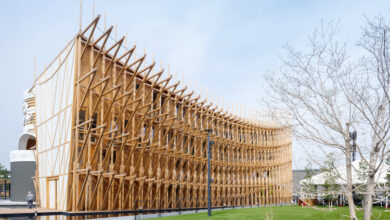
Bamboo Cultural Centre, China (Kengo Kuma): This project explores the structural and aesthetic possibilities of bamboo while creating a new type of cultural space.
-
Singapore’s Tengah Forest Town: This car-free community integrated with natural forest sets new standards for sustainable urban development in tropical contexts.
-
Tokyo’s Toranomon-Azabudai District: This massive redevelopment creates a layered urban landscape with extensive below-grade infrastructure and elevated green spaces.
C.3. North American Sustainability Pioneers
American and Canadian projects are leading in holistic sustainability approaches.
-
The University of British Columbia’s Gateway Building: This mass timber structure achieves both carbon negativity and exceptional energy performance while providing advanced research facilities.
-
Chicago’s St. Regis Chicago (Studio Gang): This dramatically tapered tower incorporates multiple sustainability innovations while creating a distinctive addition to Chicago’s skyline.
-
Arizona State University’s Fusion on First: This zero-energy, zero-carbon, zero-waste building demonstrates the potential for educational architecture to lead sustainability efforts.
D. Technological Innovations Driving 2025 Architecture
Breakthrough technologies are enabling the realization of previously impossible architectural visions.
D.1. Advanced Computational Design
Digital tools are transforming how architecture is conceived and optimized.
-
Generative Design Systems: Algorithms that explore thousands of design alternatives to identify optimal solutions balancing multiple competing objectives.
-
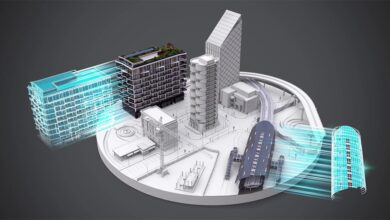
Digital Twin Technology: Virtual replicas of buildings that enable performance optimization throughout their lifecycle.
-
AI-Driven Performance Analysis: Machine learning systems that predict how designs will perform across multiple criteria before construction begins.
D.2. Material Science Breakthroughs
New materials are expanding architectural possibilities while improving sustainability.
-
Engineered Timber Products: Mass timber systems that enable tall wood construction with exceptional structural and environmental performance.
-
Carbon-Absorbing Concrete: New concrete formulations that capture atmospheric carbon during curing and throughout their lifespan.
-
Smart and Responsive Materials: Substances that change properties in response to environmental conditions, enabling adaptive building performance.
D.3. Construction Methodology Revolution
How buildings are made is transforming as significantly as what is made.
-
Robotic Fabrication: Automated systems that enable precision manufacturing of complex components with minimal waste.
-
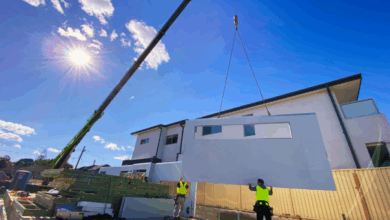
Modular and Prefabricated Systems: Factory-produced building elements that reduce construction time and improve quality control.
-
Additive Manufacturing: 3D printing of building components and even entire structures using various materials.

E. Implementation Challenges and Strategic Responses
Realizing ambitious architectural visions requires overcoming significant practical challenges.
E.1. Economic Viability and Value Engineering
Ambitious projects must balance innovation with financial reality.
-
Lifecycle Cost Analysis: Demonstrating how higher initial investments yield long-term savings through reduced operating costs and extended building lifespan.
-
Phased Implementation Strategies: Breaking complex projects into manageable phases that can be funded and executed sequentially.
-
Value Engineering Innovation: Finding creative ways to achieve design goals through less expensive means without compromising vision.
E.2. Regulatory and Code Compliance
Innovative designs often challenge existing regulatory frameworks.
-
Performance-Based Code Advocacy: Working with municipalities to develop codes focused on outcomes rather than prescribing specific methods.
-
Alternative Compliance Paths: Developing engineering solutions that demonstrate equivalent safety through different means than conventional approaches.
-
Stakeholder Education: Helping regulators, clients, and communities understand and support innovative approaches.
E.3. Technical and Coordination Complexity
Sophisticated projects require new approaches to design and construction coordination.
-
Integrated Project Delivery: Collaborative approaches that bring all stakeholders together from project inception.
-
Digital Workflow Management: Comprehensive BIM implementation that coordinates all building systems before construction.
-
Specialized Consultant Integration: Engaging highly specialized expertise for specific technical challenges.
F. Future Directions Beyond 2025
Current iconic projects point toward longer-term architectural evolution.
F.1. Climate-Positive and Regenerative Architecture
The frontier is shifting from reducing harm to creating benefit.
-
Buildings as Carbon Sinks: Structures designed to sequester significant atmospheric carbon through material selection and integrated technologies.
-
Ecosystem Service Integration: Buildings that actively enhance local ecosystems through habitat creation, water purification, and biodiversity support.
-
Community Regeneration Focus: Architecture that revitalizes not just sites but surrounding communities through economic opportunity and social infrastructure.
**F.2. Digital and Physical Integration
The boundary between digital and physical environments continues to blur.
-
Ubiquitous Connectivity: Buildings designed around constant digital connection and information access.
-
Mixed Reality Spaces: Environments that seamlessly blend physical and digital experiences.
-
Data-Driven Adaptation: Buildings that continuously optimize their performance based on real-time occupancy and environmental data.
F.3. Equity and Accessibility Advancement
The best architecture serves increasingly diverse populations.
-
Universal Design Excellence: Spaces that are accessible and usable by people of all ages and abilities without special adaptation.
-
Social Equity Integration: Design that addresses systemic inequalities through spatial justice and community benefit.
-
Cultural Responsiveness: Architecture that respects and reflects diverse cultural traditions and practices.
Conclusion: The Expanding Definition of Architectural Excellence
The iconic architecture projects defining 2025 trends demonstrate that architectural significance in our time encompasses far more than visual distinction or formal innovation. The most influential contemporary projects earn their status through their ability to address urgent global challenges—climate change, resource scarcity, social inequality, and human health—while creating beautiful, functional spaces that inspire and uplift. These projects establish that the highest architectural achievement lies not in overcoming constraints but in embracing them as catalysts for creativity and innovation. As we look toward the future, the trends established by these iconic projects point toward an architectural practice that is increasingly integrated with its environmental context, responsive to human needs, and sophisticated in its use of technology. The architects and projects leading this transformation are proving that the most compelling architecture doesn’t just reflect our time but helps shape a better future—creating built environments that are not just less bad but actively good for both people and the planet. In this context, iconicity becomes not just about how architecture looks, but about how it performs, how it serves, and how it inspires—establishing new paradigms that will influence architectural practice for decades to come.
Tags: iconic architecture, architectural trends, sustainable design, innovative construction, climate-responsive architecture, biophilic design, circular economy, architectural technology, future cities, sustainable materials, design innovation, urban planning