Lens Architecture Transforms Creative Vision

The New Perspective in Architectural Design
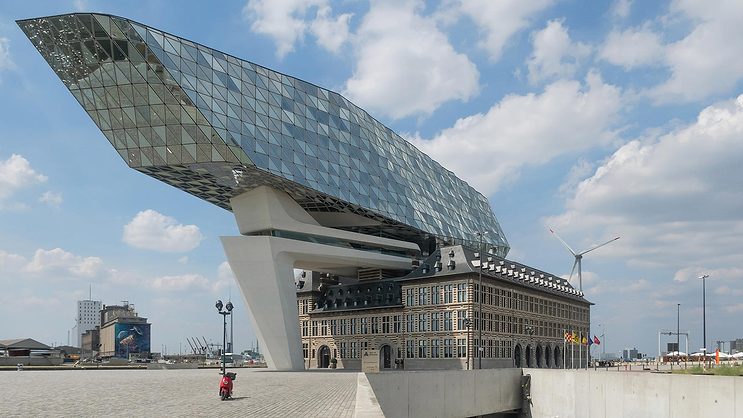
In an era where architectural innovation constantly seeks new inspiration, an unexpected muse has emerged from the world of optics and visual perception. Lens architecture, drawing fundamental principles from the science of light manipulation and visual distortion, is revolutionizing how architects conceive space, form, and human experience. This innovative approach transcends mere aesthetic imitation of optical forms, instead embracing the fundamental physics of light behavior as a generative design tool. By studying how lenses bend light, focus vision, and transform perception, architects are developing new methodologies that challenge conventional spatial understanding and create environments that actively engage with human perception. This comprehensive exploration examines how lens-inspired architecture is reshaping built environments, enhancing creative possibilities, and offering new solutions to persistent challenges in lighting, spatial experience, and environmental integration.
A. The Scientific Foundation of Lens Architecture
Understanding the optical principles that inform this architectural approach is essential to appreciating its transformative potential.
A. Optical Physics Principles
Core concepts from lens science that translate to architectural applications:
-
Refraction and Reflection: How materials bend and redirect light, inspiring building forms that manipulate both light and view paths.
-
Focal Points and Depth of Field: Architectural compositions that create visual hierarchies and direct attention through spatial sequencing.
-
Chromatic Aberration: Intentional use of light separation to create atmospheric color effects within spaces.
-
Optical Distortion: Controlled manipulation of visual perception to enhance or alter spatial experience.
B. Human Perception Science
Understanding how people perceive and process visual information:
-
Visual Processing: How the brain interprets light information and spatial relationships.
-
Perceptual Psychology: The emotional and cognitive impact of different visual environments.
-
Spatial Cognition: How people form mental maps and navigate through complex spaces.
-
Multi-Sensory Integration: How visual information interacts with other senses in spatial experience.
B. Core Principles of Lens-Inspired Architecture
Several fundamental principles distinguish lens architecture from conventional approaches.
A. Light Manipulation as Design Driver
Reconceiving architecture as a light-shaping tool:
-
Directional Light Control: Designing building elements that specifically direct, filter, or transform natural light.
-
Seasonal Light Responsiveness: Structures that respond differently to changing solar angles throughout the year.
-
Artificial Light Integration: Blending natural and artificial light sources through lens-inspired elements.
-
Shadow and Reflection Crafting: Intentional design of shadow patterns and reflective surfaces as architectural elements.
B. Visual Framing and Sequencing
Creating experiences that unfold through movement:
-
View Corridors: Carefully composed sight lines that reveal spaces gradually.
-
Visual Layering: Multiple transparent or translucent surfaces that create depth and complexity.
-
Focal Point Creation: Strategic placement of visual destinations within spatial sequences.
-
Perceptual Transitions: Spaces that transform in appearance as occupants move through them.
C. Material and Surface Innovation
Developing new applications for optical materials:
-
Gradient Transparency: Materials that transition between opaque and transparent states.
-
Variable Reflectivity: Surfaces with controlled reflective properties.
-
Optical Composite Materials: New materials combining structural and optical functions.
-
Responsive Surfaces: Materials that change optical properties based on environmental conditions.

C. Technological Enablers of Lens Architecture
Advanced technologies are making lens-inspired designs increasingly feasible and sophisticated.
A. Computational Design Tools
Software enabling complex optical calculations:
-
Ray Tracing Simulation: Advanced software predicting light behavior in complex architectural spaces.
-
Parametric Optical Modeling: Algorithms generating forms based on light performance criteria.
-
Daylight Analysis Platforms: Tools optimizing building orientation and aperture design for light quality.
-
Visual Perception Modeling: Software simulating human visual experience in virtual environments.
B. Advanced Material Science
New materials with specialized optical properties:
-
Electrochromic Glass: Glazing that can change transparency electronically.
-
Holographic Films: Surfaces that create optical effects through micro-structuring.
-
Photovoltaic Glass: Transparent energy-generating building skins.
-
Aerogel Insulation: Highly transparent insulation materials enabling new glazing applications.
C. Digital Fabrication Methods
Manufacturing techniques for complex optical forms:
-
3D Printed Optics: Custom optical elements fabricated for specific architectural applications.
-
CNC-Milled Surfaces: Precisely crafted surfaces with optical properties.
-
Robotic Glass Forming: Automated processes for creating complex glass geometries.
-
Composite Material Layup: Manufacturing light-transmitting structural elements.
D. Transformative Applications in Building Design
Lens architecture principles are finding diverse applications across building types and scales.
A. Facade and Envelope Design
Reimagining building skins as active optical systems:
-
Light-Redirecting Facades: Building exteriors that capture and redistribute natural light deep into interior spaces.
-
Dynamic Solar Control: Adaptive facades that respond to changing sun conditions.
-
Visual Connection Management: Carefully controlled transparency and opacity for specific view relationships.
-
Environmental Mediation: Building envelopes that filter and transform external environmental conditions.
B. Interior Space and Experience Design
Creating enhanced visual environments:
-
Daylight Optimization: Spaces designed for optimal natural light quality and distribution.
-
Visual Comfort: Environments that reduce glare while maximizing useful daylight.
-
Atmospheric Creation: Using light to define spatial character and mood.
-
Programmatic Enhancement: Tailoring visual environments to specific activities and functions.
C. Urban and Landscape Applications
Lens principles at city and landscape scale:
-
Public Space Design: Urban spaces that use optical principles to create engaging environments.
-
View Corridor Planning: City-scale visual relationships and protected sight lines.
-
Microclimate Creation: Using optical materials to modify urban thermal environments.
-
Landscape Visualization: Framing and enhancing views of natural environments.
E. Notable Projects Demonstrating Lens Architecture
Several pioneering projects illustrate the potential of lens-inspired design approaches.
A. The Louvre Abu Dhabi
A masterwork of light manipulation:
-
Geometric Dome: Complex perforated dome creating “rain of light” effects.
-
Solar Control: Massive scale sun protection while maintaining visual connection.
-
Atmospheric Creation: Transforming intense desert light into soft, diffused illumination.
-
Cultural Symbolism: Architectural form representing unifying cultural vision.
B. The Hamburg Philharmonic Concert Hall
Innovative visual and acoustic integration:
-
Wave-Form Glass Facade: Undulating glass surface reflecting and transforming harbor views.
-
Visual Connection: Maintaining relationship between city and water while providing enclosure.
-
Material Innovation: Special glass formulations achieving both acoustic and optical performance.
-
Public Integration: Blending civic space with cultural institution through transparent design.
C. The Beijing National Aquatics Center
Advanced light and material technology:
-
ETFE Cushion System: Pneumatic cushions creating bubble-like optical effects.
-
Light Transformation: Converting harsh daylight into soft, aqueous illumination.
-
Color Manipulation: LED systems creating dynamic color environments.
-
Structural Transparency: Achieving visual lightness while providing environmental enclosure.
F. Benefits and Performance Advantages
Lens architecture offers measurable benefits beyond aesthetic innovation.
A. Environmental Performance
Substantial sustainability advantages:
-
Energy Efficiency: Reduced artificial lighting requirements through optimized daylighting.
-
Thermal Comfort: Improved solar gain management and glare control.
-
Resource Optimization: More effective use of available natural light.
-
Climate Responsiveness: Buildings that adapt to changing environmental conditions.
B. Human Experience Enhancement
Improvements in occupant wellbeing and satisfaction:
-
Visual Comfort: Spaces that are easier and more pleasant to see in.
-
Psychological Benefits: Environments that support mood and cognitive function.
-
Spatial Legibility: Clear visual organization that supports wayfinding.
-
Connection to Nature: Maintaining visual contact with exterior environments.
C. Functional Performance
Practical advantages for building operations:
-
Flexibility: Spaces that can adapt to different uses through light control.
-
Durability: Careful management of light exposure to protect interiors.
-
Maintenance: Reduced reliance on artificial systems and their associated upkeep.
-
Long-Term Value: Buildings that remain relevant as needs and technologies change.
G. Implementation Challenges and Solutions
Despite its potential, lens architecture faces significant implementation hurdles.
A. Technical Complexity
Overcoming engineering and fabrication challenges:
-
Structural Integration: Combining optical performance with structural requirements.
-
Manufacturing Precision: Achieving necessary tolerances for optical elements.
-
System Coordination: Integrating multiple specialized systems and components.
-
Quality Control: Ensuring consistent performance across complex assemblies.
B. Economic Considerations
Addressing cost and value questions:
-
Initial Investment: Higher upfront costs for specialized materials and systems.
-
Lifecycle Costing: Demonstrating long-term value through operational savings.
-
Market Acceptance: Educating clients and users about benefits beyond conventional approaches.
-
Value Engineering: Maintaining design intent while managing budget constraints.
H. The Future of Lens Architecture
Emerging trends and future directions for this innovative approach.
A. Technological Convergence
Multiple technologies combining for greater impact:
-
Smart Materials Integration: Buildings with dynamically variable optical properties.
-
Energy Production: Transparent photovoltaic and solar thermal systems.
-
Augmented Reality Overlay: Digital information integrated with physical visual environments.
-
Biometric Response: Spaces that adapt to individual visual preferences and needs.
B. Expanded Applications
New contexts for lens architecture principles:
-
Healthcare Environments: Therapeutic visual environments supporting healing.
-
Educational Spaces: Learning environments optimized for visual comfort and focus.
-
Workplace Design: Offices that enhance productivity through visual quality.
-
Retail Applications: Commercial spaces using visual effects to enhance experience.
C. Sustainability Integration
Addressing environmental challenges:
-
Climate Adaptation: Buildings that respond to changing environmental conditions.
-
Resource Efficiency: Maximizing use of natural resources, particularly daylight.
-
Circular Economy: Designing for disassembly and material reuse.
-
Biodiversity Support: Creating visual environments that support ecological function.
Conclusion: The Transformative Potential of Lens Architecture
Lens architecture represents more than a stylistic trend—it constitutes a fundamental rethinking of architecture’s relationship with light, vision, and human experience. By drawing inspiration from optical science and visual perception, this approach offers powerful tools for creating buildings that are not only visually striking but also perform better, feel better, and work better for their occupants. The most successful implementations demonstrate that lens principles can enhance sustainability, improve wellbeing, and create more meaningful connections between people and their environments.
As technology continues to advance, the possibilities for lens architecture will only expand. New materials, digital tools, and fabrication methods will enable increasingly sophisticated applications of optical principles in building design. Meanwhile, growing understanding of human perception and environmental performance will inform more nuanced and effective implementations.
The future of lens architecture lies not in literal imitation of optical forms, but in deeper engagement with the fundamental principles of light behavior and visual experience. By embracing these principles, architects can create environments that are more responsive, more engaging, and more supportive of human needs. In an increasingly visual world, where the quality of our visual environment has profound impacts on our wellbeing and performance, lens architecture offers a pathway toward creating spaces that truly enhance how we see, experience, and inhabit our world.
The buildings of our future may well be judged not just by how they look, but by how they help us see—transforming our relationship with light, space, and each other through the thoughtful application of lens-inspired design principles.
Tags: Lens Architecture, Optical Design, Light Manipulation, Visual Perception, Sustainable Design, Building Innovation, Architectural Technology, Environmental Design, Creative Architecture, Spatial Experience