Minimalist Design Shapes Modern Living Philosophy

The Quiet Revolution in Modern Living
In a world saturated with constant stimuli, consumer excess, and digital clutter, a quiet yet powerful revolution is reshaping how we inhabit our spaces and live our lives. Minimalist design has evolved far beyond its aesthetic roots to become a comprehensive philosophy for modern existence. This movement represents a fundamental shift away from the accumulation of possessions toward a deliberate curation of space, experience, and intention. It’s not merely about owning fewer things; it’s about making room for more meaning. As we navigate the complexities of the 21st century, minimalist principles are offering a blueprint for creating homes and lifestyles that foster mental clarity, environmental responsibility, and profound personal fulfillment. This article explores the deep philosophy, practical applications, and transformative benefits of minimalist design, demonstrating how this powerful approach is actively shaping smarter, more sustainable, and more intentional ways of living.
A. The Philosophical Foundation of Minimalist Design
To understand minimalist design’s impact, one must first appreciate its philosophical underpinnings, which draw from a rich tapestry of global traditions and modern thought.
A. Historical and Cultural Origins
Minimalism is not a novel concept but a rediscovery of timeless wisdoms adapted for contemporary life.
-
Japanese Zen Buddhism: The principles of “ma” (negative space), “wabi-sabi” (acceptance of transience and imperfection), and “seijaku” (tranquility) form the spiritual core of minimalist philosophy. The Zen garden, with its raked gravel and strategically placed stones, exemplifies how emptiness can hold profound meaning.
-
Scandinavian Hygge and Lagom: From Northern Europe comes the emphasis on comfort (“hygge”) and “just the right amount” (“lagom”). Scandinavian minimalism focuses on warmth, functionality, and human-centric design, avoiding the cold sterility sometimes associated with the style.
-
Bauhaus Modernism: The German school’s famous dictum, “form follows function,” stripped design of unnecessary ornamentation, championing clean lines, geometric shapes, and the honest expression of materials.
B. Core Principles of Modern Minimalism
These historical influences have crystallized into a set of defining principles for today’s minimalist movement.
-
Intentionality: Every object, piece of furniture, and architectural element must serve a deliberate purpose, whether functional, aesthetic, or emotional. Nothing is arbitrary.
-
Essentialism: This involves a rigorous process of elimination, removing anything that is not necessary to allow the essential elements to resonate and function at their highest potential.
-
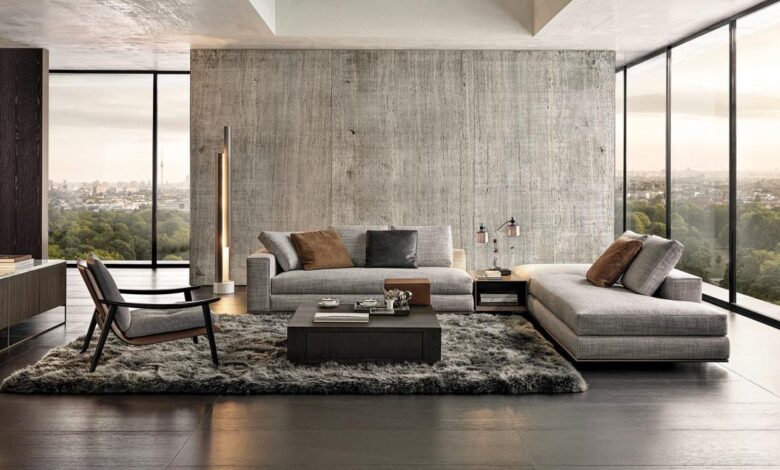
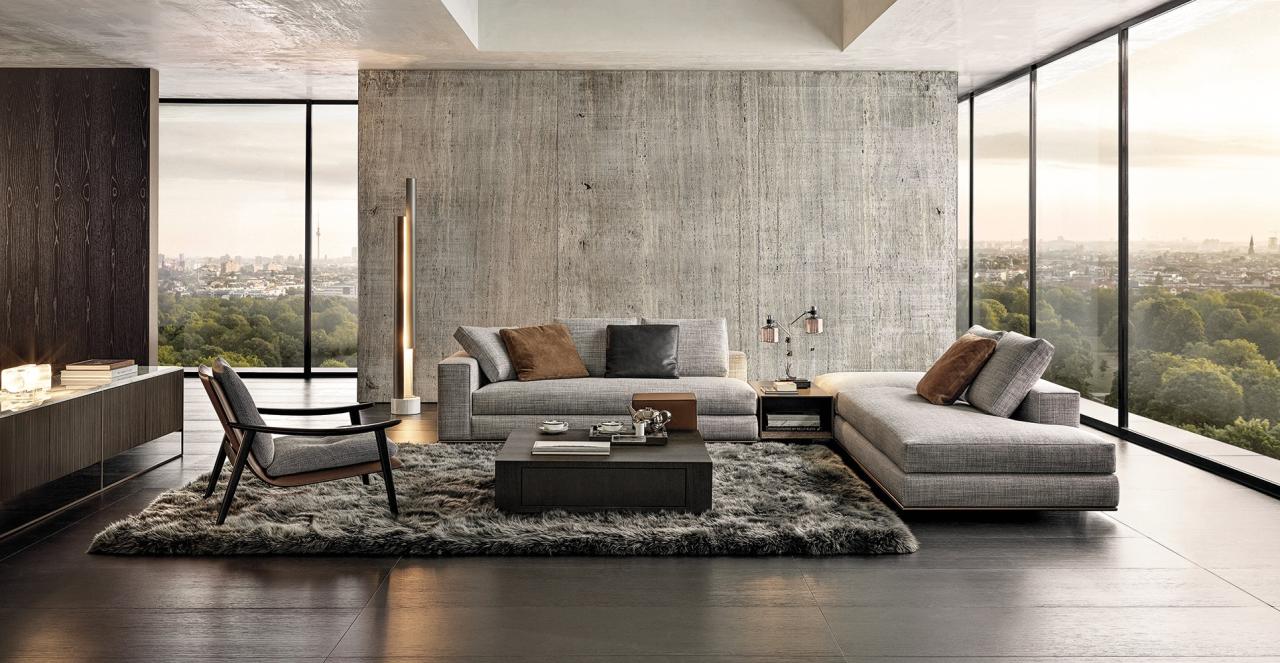
Material Honesty: Materials are left in their natural state or with finishes that reveal their true character. The grain of wood, the texture of concrete, and the sheen of metal are celebrated rather than concealed.
-
Visual Tranquility: Achieved through a restrained color palette (often neutral), clean sight lines, and the strategic use of empty space to give the eye and mind a place to rest.
B. The Pillars of Minimalist Living in Practice
Translating philosophy into daily life requires a structured approach. The following pillars provide a practical framework for embracing minimalism.
A. Spatial Design and Architectural Integration
The architecture itself is the first canvas for minimalist expression.
-
Open-Plan Living: By reducing internal walls, spaces flow into one another, enhancing natural light, improving social connectivity, and creating a sense of expanded freedom.
-
Abundant Natural Light: Treated as a primary design material, light is maximized through large, unadorned windows and strategically placed skylights, reducing the need for artificial lighting and connecting inhabitants to the rhythms of the day.
-
Built-in and Concealed Storage: A place for everything and everything in its place. Innovative storage solutions—from floor-to-ceiling cabinets to hidden compartments—are integral to the design, ensuring clutter remains out of sight and the architectural lines remain pure.
-
Textural Complexity: In the absence of color and ornament, texture becomes paramount. A space might combine a smooth polished concrete floor, a rough-hewn wooden dining table, and a soft wool rug to create visual interest and tactile warmth.
B. The Art of Curation and Conscious Consumption
Minimalism revolutionizes our relationship with possessions, advocating for a mindful and ethical approach to acquisition.
-
The “One In, One Out” Rule: This simple practice prevents the gradual re-accumulation of clutter. For every new item brought into the home, an existing one must be donated, sold, or recycled.
-
Quality Over Quantity: Minimalists invest in fewer, but higher-quality, items that are durable, repairable, and timeless in design. This shift reduces waste and consumerism while providing long-term economic savings.
-
The Digital Declutter: Modern minimalism extends into the digital realm. This involves organizing digital files, limiting notifications, curating social media feeds, and creating tech-free zones to combat information overload and mental fatigue.
C. The Psychological and Physiological Benefits
The impact of a minimalist environment on human well-being is supported by a growing body of psychological research.
-
Reduced Cognitive Load: A cluttered environment competes for our attention, leading to “attentional capture” and increased mental fatigue. A simplified space reduces sensory input, allowing the brain to focus and process information more effectively.
-
Decreased Stress and Anxiety: Studies have linked visual clutter to elevated levels of the stress hormone cortisol. The calm, orderly nature of a minimalist space can directly lower stress and promote a state of relaxation.
-
Enhanced Focus and Productivity: By removing distractions, minimalist workspaces and homes facilitate deeper concentration, improve task completion rates, and foster creative thinking.
-
Liberation from Consumerist Pressures: By breaking the cycle of working to buy and storing what we buy, minimalism fosters a sense of financial and emotional freedom, redirecting energy toward experiences, relationships, and personal growth.
C. Minimalism in the Global Context: Evolving Movements
Minimalist design is not a monolithic entity; it is evolving through various culturally influenced and technologically adapted movements.
A. Japandi: The Fusion of East and West
This hybrid style seamlessly blends Japanese wabi-sabi with Scandinavian functionality. It features neutral color palettes, natural materials, and handcrafted elements, but with a distinct emphasis on organic, imperfect forms and a cozy, lived-in warmth that avoids any feeling of sterility.
B. Biophilic Minimalism
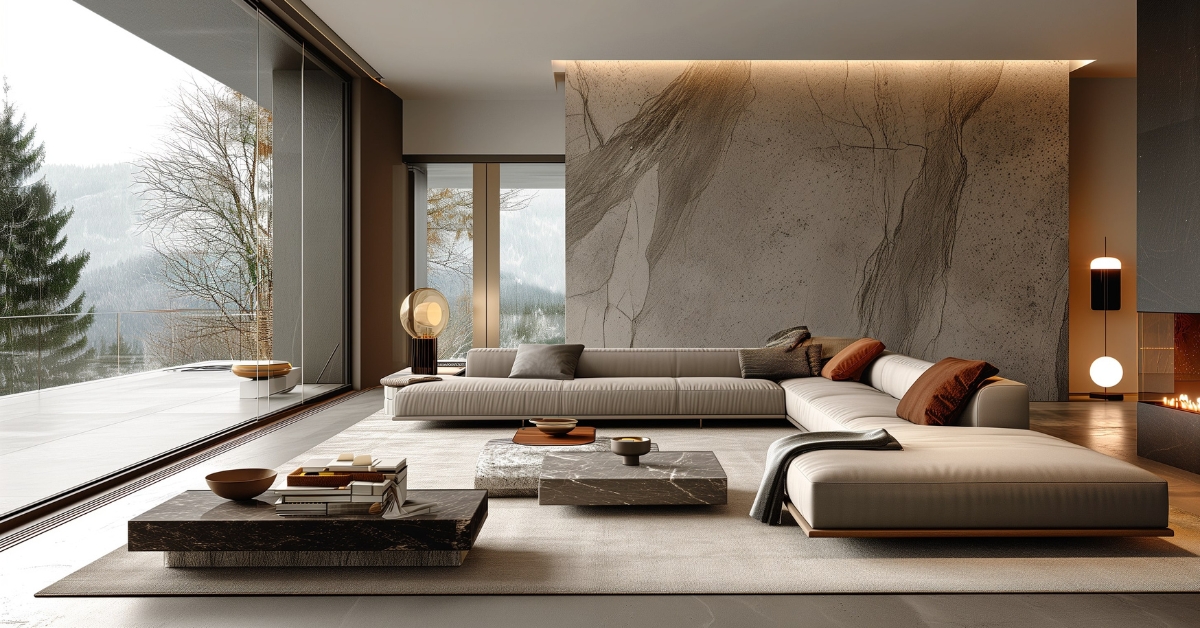
This approach integrates the core tenets of minimalism with a deep connection to nature. It goes beyond a single houseplant to involve large-scale indoor gardens, natural ventilation systems, abundant sunlight, and the use of raw, untreated materials like stone and wood, creating a serene, sanctuary-like environment.
C. Wabi-Sabi Minimalism
Celebrating authenticity, this style finds beauty in the imperfect, the aged, and the incomplete. A cracked vase repaired with the Japanese kintsugi technique, a weathered wooden beam, or a wall with slightly uneven plasterwork are not flaws but focal points that tell a story and add soul to a minimalist space.
D. Implementing Minimalism: A Practical Guide
Adopting a minimalist lifestyle is a journey, not a destination. The following steps provide a clear path forward.
A. The Decluttering Process: A Methodical Approach
-
Category-by-Category, Not Room-by-Room: Instead of tackling a whole room, focus on one category of items at a time (e.g., all clothes, then all books, then all kitchenware). This provides a clearer sense of the total volume of possessions.
-
The Four-Box Method: When sorting, use four boxes labeled: Keep, Donate/Sell, Recycle, Trash. This forces decisive action on every item.
-
The Question Protocol: For each item, ask: Do I love it? Do I use it regularly? Does it serve a vital purpose? If the answer is “no” to all, it’s time to let it go.
B. Designing a Minimalist Interior
-
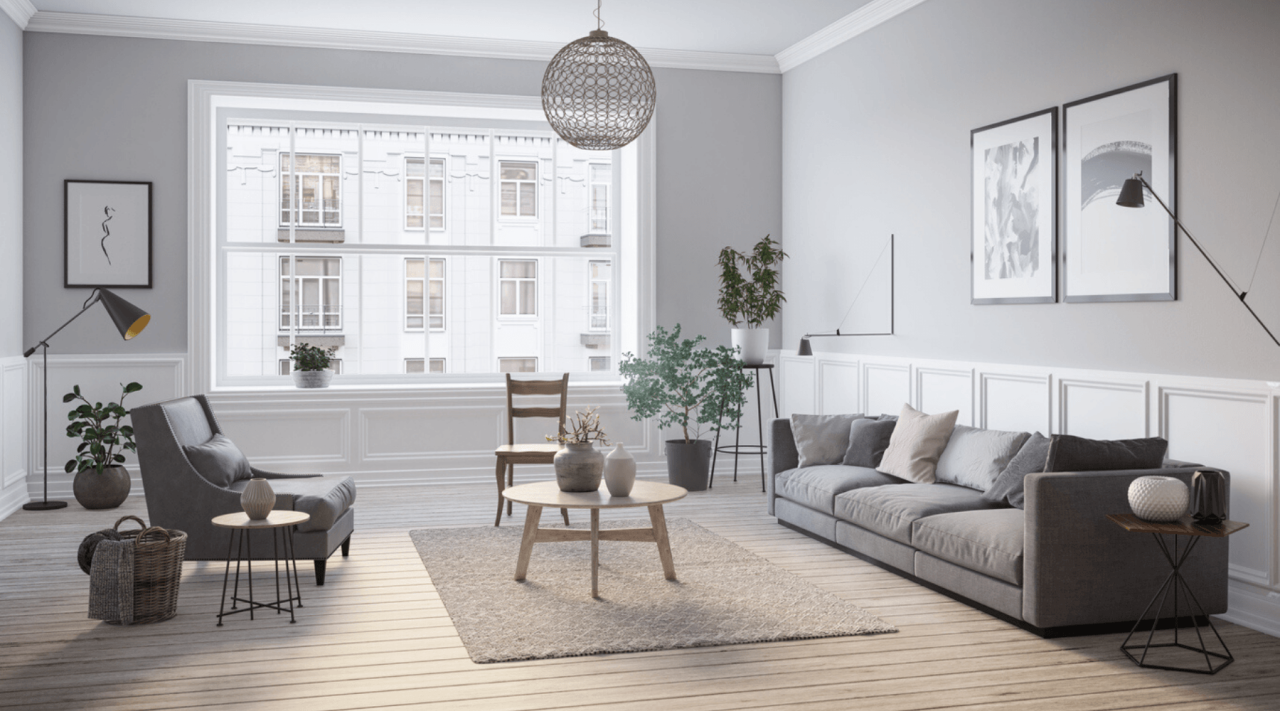
Start with a Neutral Base: Use shades of white, beige, and gray for walls and large furniture to create a calm, cohesive backdrop.
-
Invest in Signature Pieces: Select a few high-impact, functional items—a beautifully designed sofa, a sculptural dining table, a single piece of significant art—to serve as anchors for the space.
-
Embrace Negative Space: Resist the urge to fill every wall and corner. Allow empty areas to exist, as they are crucial to the minimalist aesthetic and feeling of tranquility.
E. Case Study: The Transformation of a Modern Family Home
Consider the case of “The Zendo Home,” a suburban residence redesigned on minimalist principles. The architects knocked down non-structural walls to create an open-plan living, dining, and kitchen area flooded with light from a new wall of floor-to-ceiling windows. A palette of pale oak, white walls, and concrete floors was established. Storage was fully integrated, with a floor-to-ceiling unit housing a library, media center, and display niche for a single rotating art object. The result, as reported by the homeowners, was a dramatic reduction in daily stress, more meaningful family interactions in the shared space, and a newfound sense of control over their environment. Their energy bills dropped due to superior passive solar gain, and the ease of cleaning and maintaining the home freed up significant time on weekends.
Conclusion: The Enduring Impact of Living with Less
Minimalist design is much more than an interior design trend; it is a reasoned and powerful response to the pressures of modern life. By championing intentionality, simplicity, and authenticity, it provides a practical framework for creating environments that nourish the human spirit. The minimalist home becomes a sanctuary from the chaos of the outside world—a place of restoration, clarity, and purpose. As we move toward a future that demands greater sustainability and mindfulness, the principles of minimalist design offer a timeless and profound guide. They teach us that by consciously shaping our spaces with less, we ultimately shape our lives with more—more peace, more freedom, and more capacity for what truly matters.
Tags: Minimalist Design, Simple Living, Decluttering, Interior Design, Mental Clarity, Sustainable Living, Home Organization, Minimalism, Japandi, Wabi-Sabi