Next-Generation Mixed-Use Architecture Redefines Urban Living

The Evolution of Integrated Urban Environments
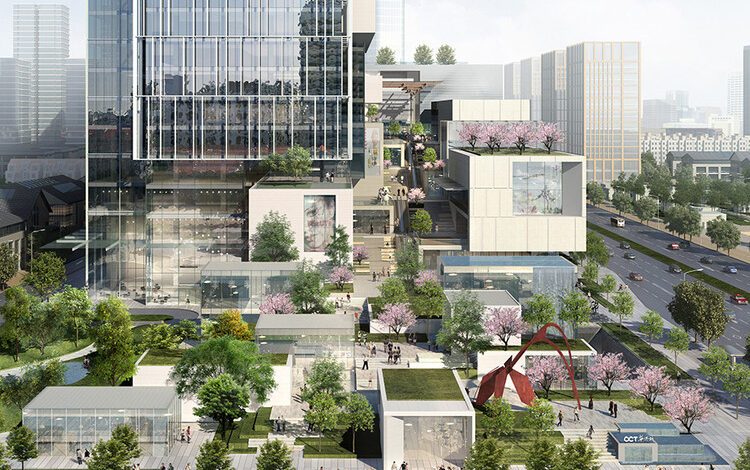
The architectural profession is pioneering a revolutionary approach to mixed-use development that transcends traditional zoning boundaries to create truly integrated urban ecosystems. This new generation of mixed-use spaces represents a fundamental rethinking of how we live, work, and interact within increasingly dense urban environments. Moving beyond simple vertical stacking of functions, contemporary mixed-use architecture creates synergistic relationships between residential, commercial, cultural, and recreational spaces that enhance urban vitality while addressing pressing challenges of sustainability, affordability, and community wellbeing. These complex projects function as miniature cities within cities, offering residents and visitors the ability to meet most daily needs within walkable distances while providing the social infrastructure necessary for vibrant community life. This comprehensive analysis explores the innovative design strategies, technological integrations, and community-focused approaches that define next-generation mixed-use architecture, examining how these projects are reshaping urban landscapes worldwide while establishing new benchmarks for sustainable, livable urban development.
A. The New Mixed-Use Paradigm: Beyond Functional Zoning
Contemporary mixed-use architecture has evolved from simple co-location to sophisticated integration of diverse functions and experiences.
A.1. Programmatic Innovation and Synergy Creation
Next-generation mixed-use projects create deliberate relationships between different functions.
-
Activity-Based Programming: Rather than segregating functions by floor, innovative projects create activity zones that flow seamlessly between uses, with workspaces adjacent to childcare facilities, cultural venues connected to residential lobbies, and retail integrated with public spaces.
-
Temporal Programming Strategies: Buildings are designed to accommodate different uses at different times—office cafeterias that become evening restaurants, lobbies that transform into event spaces, and retail areas that host community markets on weekends.
-
Cross-Pollination Opportunities: Strategic adjacencies encourage unexpected interactions—residents discovering local businesses, office workers utilizing residential amenities, and cultural attendees becoming familiar with neighborhood services.
A.2. Vertical Urbanism and Three-Dimensional Planning
Mixed-use architecture has embraced the third dimension as a design opportunity rather than a constraint.
-
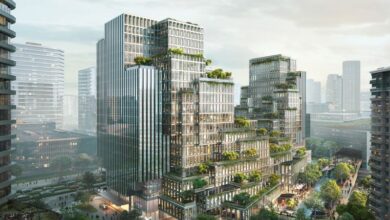
Sky Communities and Vertical Neighborhoods: Tall mixed-use structures are conceived as vertical neighborhoods with distinct characters at different levels, from bustling commercial bases to tranquil residential upper floors connected by social spaces at sky levels.
-
Three-Dimensional Circulation: Sophisticated vertical transportation extends beyond elevators to include escalators, stairs, and ramps that encourage movement between uses while providing opportunities for casual interaction.
-
Sectional Complexity: Building sections are carefully crafted to bring light and air deep into large floor plates while creating visual and physical connections between different functional zones.
A.3. Community Integration and Social Infrastructure
Next-generation mixed-use projects function as social condensers that strengthen urban fabric.
-
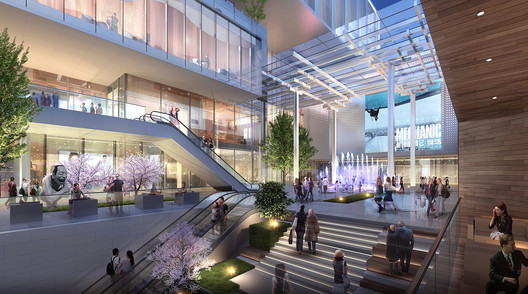
Public Realm Incorporation: Successful projects extend the public realm into the building through atriums, gallerias, and plazas that serve both building users and the broader community.
-
Civic Function Integration: Many contemporary mixed-use developments incorporate truly public functions like libraries, community centers, performance spaces, and educational facilities that serve the surrounding neighborhood.
-
Social Equity Considerations: Progressive mixed-use projects include affordable housing, spaces for local small businesses, and facilities accessible to diverse income groups and abilities.
B. Design Strategies for Next-Generation Mixed-Use
Creating successful integrated environments requires innovative design approaches and technical solutions.
B.1. Circulation and Wayfinding Systems
Navigating complex mixed-use environments demands thoughtful circulation design.
-
Hierarchical Circulation Networks: Clear distinction between public, semi-public, and private circulation routes ensures both accessibility and security while maintaining connections between functions.
-
Intuitive Wayfinding Design: Architectural elements, lighting, materials, and spatial sequences naturally guide users through complex environments without overwhelming signage.
-
Multi-Modal Transportation Integration: Seamless connections between building functions and various transportation options—transit, cycling, walking, vehicle sharing—reduce reliance on private cars.
B.2. Environmental Performance and Sustainability
Mixed-use developments offer unique opportunities for integrated sustainability strategies.
-
Energy Synergy Exploitation: Waste heat from commercial operations can warm residential spaces; off-peak energy demand in offices can balance residential peak usage; shared systems reduce overall energy consumption.
-
District Resource Management: Larger mixed-use projects can implement district energy systems, shared water treatment, and consolidated waste management that would be impractical for single-use buildings.
-
Microclimate Creation: Thoughtful massing and orientation can create favorable microclimates within and around buildings, enhancing outdoor comfort and reducing mechanical system demands.
B.3. Technological Integration and Smart Systems
Technology enables the complex operations of contemporary mixed-use environments.
-
Integrated Building Management: Centralized systems coordinate security, energy management, maintenance, and communications across different building functions while respecting privacy boundaries.
-
Digital Connectivity Infrastructure: Robust telecommunications infrastructure supports both business needs and residential connectivity, often including shared co-working spaces and connectivity lounges.
-
Mobility and Logistics Management: Sophisticated systems manage vehicle and package movement, shared vehicle access, and delivery coordination to minimize congestion and maximize efficiency.
C. Typological Innovations and Project Exemplars
Next-generation mixed-use architecture encompasses diverse approaches tailored to specific urban contexts.
C.1. Transit-Oriented Development Integration
Mixed-use projects are increasingly centered around transportation infrastructure.
-
The Wilshire Grand Center, Los Angeles (AC Martin): This complex integrates hotel, office, retail, and observation deck with direct connection to regional transit, demonstrating how major mixed-use projects can reinforce rather than overwhelm existing infrastructure.
-
King’s Cross Central, London (Multiple Architects): This massive redevelopment creates a new urban quarter centered around transportation infrastructure, with careful integration of historic preservation, new construction, and public spaces.
-
Taipei Sky Tower, Taiwan (OMA): This vertical city organizes diverse functions around a central void that serves as both circulation hub and social condenser, creating unexpected connections between different user groups.
C.2. Cultural-Anchored Mixed-Use
Arts and culture are increasingly serving as anchors for mixed-use development.
-
The Shed, New York (Diller Scofidio + Renfro): This cultural facility is integrated with commercial residential towers, creating symbiotic relationships between artists, residents, and visitors.
-
The Museum Tower, Tel Aviv (MYS Architects): This project stacks luxury residences above a significant museum expansion, creating financial support for cultural institutions while enriching residential experience.
-
The Marriott Marquis & Arts Center, Washington DC (Architecture Studio): This convention hotel incorporates multiple performance venues, creating a vibrant entertainment district within a larger mixed-use environment.
C.3. Community-Focused Urban Regeneration
Mixed-use projects are driving the revitalization of underutilized urban areas.
-
Hudson Yards, New York (Multiple Architects): This massive development transforms former railyards into a new mixed-use neighborhood with parks, cultural institutions, offices, retail, and residences.
-
The Yards, Washington DC (Multiple Architects): This former naval yard redevelopment carefully integrates new construction with historic preservation while creating a vibrant, walkable waterfront community.
-
Barangaroo South, Sydney (Multiple Architects): This former container terminal has been transformed into a carbon-neutral mixed-use precinct that sets new standards for sustainable urban development.
D. Implementation Challenges and Innovative Solutions
Creating successful mixed-use environments presents unique challenges that demand creative responses.
D.1. Financial Structuring and Phasing
The complexity of mixed-use projects requires sophisticated financial approaches.
-
Phased Development Strategies: Large mixed-use projects often require careful phasing to manage cash flow while maintaining overall design coherence as different components come online.
-
Cross-Subsidization Models: More profitable elements (like luxury residential or premium office) can subsidize community benefits (affordable housing, cultural spaces, public amenities).
-
Partnership Structures: Successful mixed-use projects often involve partnerships between developers, municipalities, cultural institutions, and community organizations with aligned but distinct interests.
D.2. Regulatory Navigation and Zoning Innovation
Mixed-use projects often challenge conventional regulatory frameworks.
-
Performance-Based Zoning Advocacy: Progressive architects and developers are working with municipalities to replace use-based zoning with performance-based regulations that better accommodate mixed-use innovation.
-
Flexible Approval Processes: Projects that deliver significant public benefits are sometimes granted flexibility in exchange for community amenities, affordable housing, or sustainable design features.
-
Integrated Permit Strategies: Coordinating approvals across multiple regulatory domains—building, fire, health, transportation—requires careful planning and sometimes new approval pathways.
D.3. Operational Complexity Management
The ongoing operation of mixed-use buildings presents unique management challenges.
-
Integrated Yet Independent Operations: Different functions within mixed-use buildings often have different owners, operators, and management structures that must coordinate while maintaining operational independence.
-
Common Area Management: Shared spaces, circulation elements, and building systems require clear management structures and cost allocation methods.
-
Lifecycle Coordination: Different components of mixed-use buildings have different renovation cycles and maintenance requirements that must be coordinated to minimize disruption.
E. Future Directions and Emerging Trends
Mixed-use architecture continues to evolve in response to changing urban conditions and societal trends.
E.1. Pandemic Resilience and Health Integration
Recent global health concerns are influencing mixed-use design approaches.
-
Health-Focused Design: Enhanced ventilation, touchless interfaces, outdoor spaces, and wellness amenities are becoming standard features in mixed-use developments.
-
Distributed Workspace Integration: The growth of remote work is creating demand for shared workspaces within residential environments and more flexible commercial spaces.
-
Supply Chain Resilience: Mixed-use projects are incorporating more local food production, maker spaces, and flexible logistics facilities to enhance community resilience.
E.2. Technology and Digital Integration
Digital innovation is transforming how mixed-use environments function and are experienced.
-
Smart Building Ecosystems: Integrated technology platforms coordinate building operations, tenant services, and community engagement across different functions.
-
Mobility as a Service Integration: Mixed-use developments are becoming hubs for shared mobility services, electric vehicle charging, and multimodal transportation coordination.
-
Digital Community Platforms: Building-specific digital networks facilitate communication between residents, workers, and visitors while providing access to building services and local businesses.
E.3. Climate Adaptation and Regenerative Design
Environmental considerations are becoming increasingly central to mixed-use architecture.
-
Climate Resilience Integration: Mixed-use projects are incorporating features to address rising temperatures, increased precipitation, and more extreme weather events.
-
Regenerative Systems: The scale of mixed-use development enables implementation of systems that actively improve local environmental conditions—air and water quality, biodiversity, urban heat island mitigation.
-
Circular Economy Implementation: Larger mixed-use projects can incorporate more comprehensive waste recycling, material reuse, and resource recovery systems.
Conclusion: The Urban Future as Integrated Ecosystem
The evolution of mixed-use architecture represents more than a real estate trend—it signifies a fundamental rethinking of urban organization and architectural possibility. These complex projects demonstrate that the most successful contemporary architecture creates frameworks for diverse human activity rather than containers for singular functions. By bringing together living, working, commerce, culture, and recreation in carefully integrated environments, next-generation mixed-use architecture offers powerful responses to urban challenges ranging from sprawl and transportation to social isolation and environmental degradation. The most compelling mixed-use projects are those that achieve integration not just within their own boundaries but with their surrounding urban context, strengthening rather than replacing existing urban fabric. As cities continue to densify and the boundaries between different aspects of life continue to blur, mixed-use architecture appears not as a specialized building type but as the essential form of future urban development—creating vibrant, sustainable, resilient, and deeply human environments for the century ahead.
Tags: mixed-use architecture, urban design, integrated development, sustainable cities, urban planning, architectural innovation, community design, transit-oriented development, urban regeneration, smart buildings, vertical urbanism, placemaking