Sustainable Architecture Achieves Authentic Environmental Impact

The Era of Authentic Sustainability in Architecture
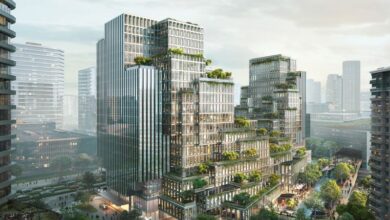
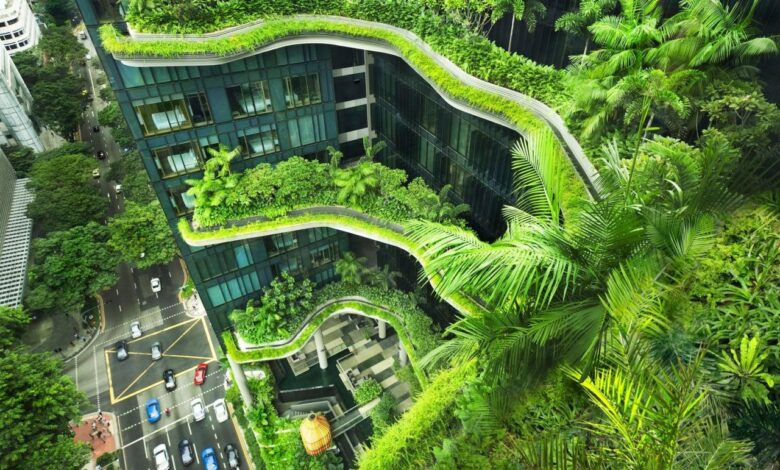
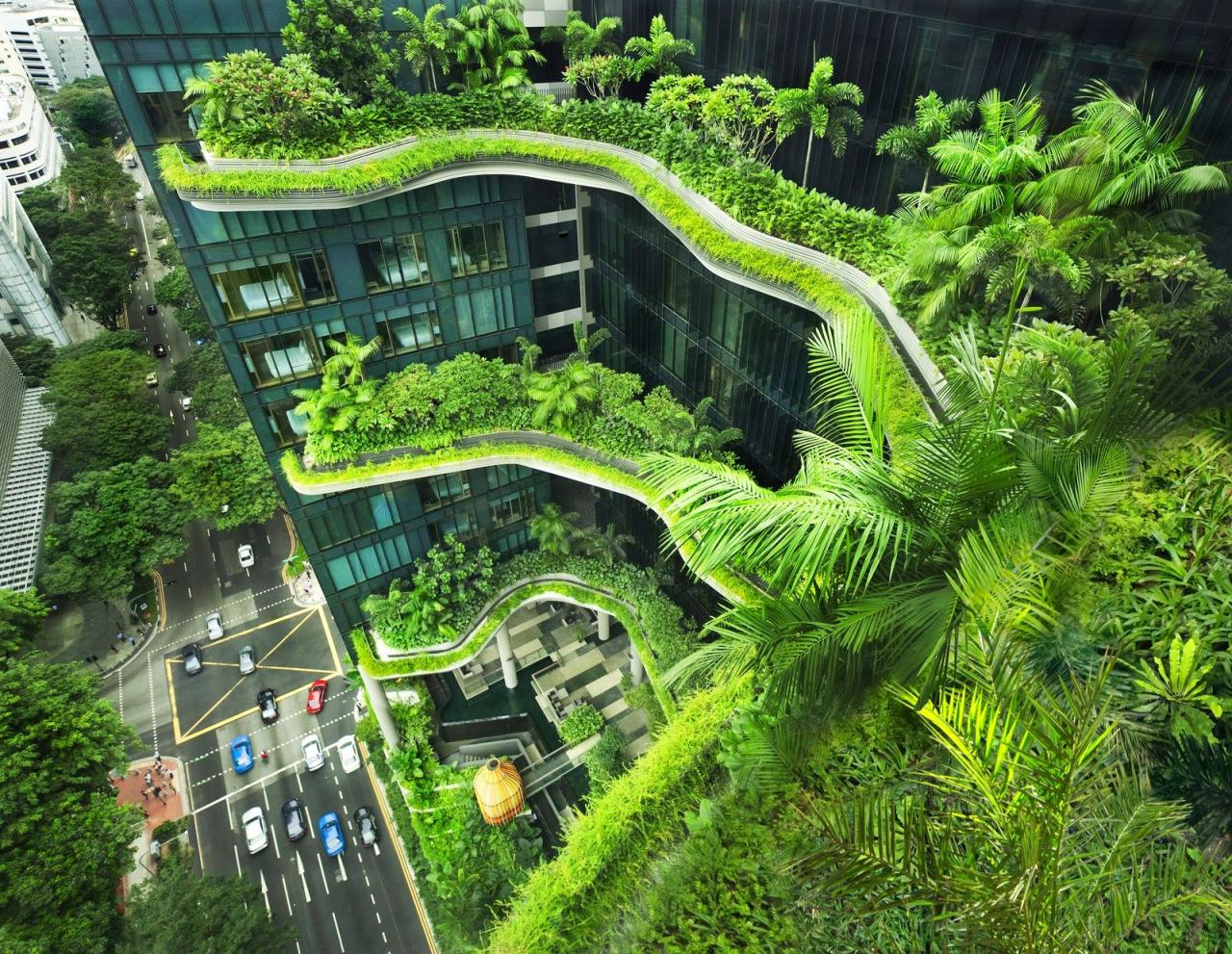
The architectural profession is undergoing a profound transformation as sustainable design evolves beyond superficial environmental claims to deliver measurable, verified ecological benefits. This shift represents a critical maturation from early “greenwashing”—where sustainability served primarily as marketing rhetoric—to a practice grounded in scientific assessment, transparent reporting, and genuine environmental responsibility. Contemporary sustainable architecture now encompasses comprehensive lifecycle analysis, circular economy principles, and regenerative approaches that actively improve rather than merely minimize damage to ecological systems. From buildings that function as carbon sinks to developments that enhance local biodiversity, this new paradigm demonstrates that the built environment can become a positive contributor to planetary health. This comprehensive analysis explores how sustainable architecture is moving beyond greenwashing through rigorous certification, advanced performance metrics, technological innovation, and a fundamental rethinking of architecture’s relationship to natural systems.
A. The Evolution Beyond Superficial Sustainability
The journey from symbolic environmentalism to substantive ecological design has transformed architectural practice.
A.1. From Energy Efficiency to Carbon Neutrality
The sustainability conversation has expanded beyond operational energy to encompass full carbon accounting.
-
Embodied Carbon Calculation: Architects now routinely quantify emissions from material extraction, manufacturing, transportation, and construction, recognizing that these can represent 50-75% of a building’s total carbon footprint over its lifecycle.
-
Whole-Life Carbon Assessment: Comprehensive evaluation includes operational emissions, maintenance, and eventual deconstruction, providing a complete picture of a building’s climate impact.
-
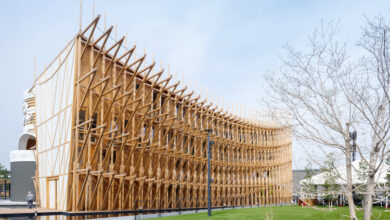
Carbon Sequestration Integration: Projects increasingly incorporate materials like mass timber that store atmospheric carbon, transforming buildings from carbon sources to carbon sinks.
A.2. Beyond Checklist Mentality to Performance Verification
Early green certification sometimes rewarded prescribed features over actual performance.
-
Post-Occupancy Evaluation: Mandatory performance verification ensures buildings deliver promised environmental benefits after occupancy, not just on paper.
-
Continuous Monitoring: Real-time tracking of energy use, water consumption, and indoor environmental quality provides data-driven accountability.
-
Performance-Based Certification: New standards like the International Living Future Institute’s Zero Carbon Certification require demonstrated performance rather than predicted outcomes.
A.3. From Isolated Features to System Integration
Sustainability has evolved from additive features to integrated systems thinking.
-
Holistic Building Performance: Understanding how building orientation, envelope, systems, and operations interact to create synergistic environmental benefits.
-
District-Scale Sustainability: Considering how buildings function within larger urban ecosystems and infrastructure networks.
-
Circular Economy Integration: Designing buildings as material banks for future projects rather than eventual waste.
B. The New Framework of Authentic Sustainable Architecture
Contemporary sustainable design operates within a comprehensive framework that ensures genuine environmental benefits.
B.1. Scientific Foundations and Metrics
Authentic sustainability relies on quantifiable data and scientific principles.
-
Life Cycle Assessment (LCA): Comprehensive evaluation of environmental impacts across a building’s entire lifespan using standardized methodologies.
-
Environmental Product Declarations (EPDs): Third-party verified documents that provide transparent data on a product’s environmental impact.
-
Bioclimatic Design Principles: Using climate analysis to inform passive design strategies that minimize mechanical system reliance.
B.2. Transparency and Verification Systems
Robust systems ensure environmental claims are substantiated.
-
Third-Party Certification: Independent verification through programs like LEED, BREEAM, and Green Star that have evolved to address earlier shortcomings.
-
Public Disclosure Requirements: Mandatory reporting of building energy performance in many jurisdictions creates accountability through transparency.
-
Open-Source Data Platforms: Shared performance data enables industry-wide learning and continuous improvement.
B.3. Regenerative and Restorative Approaches
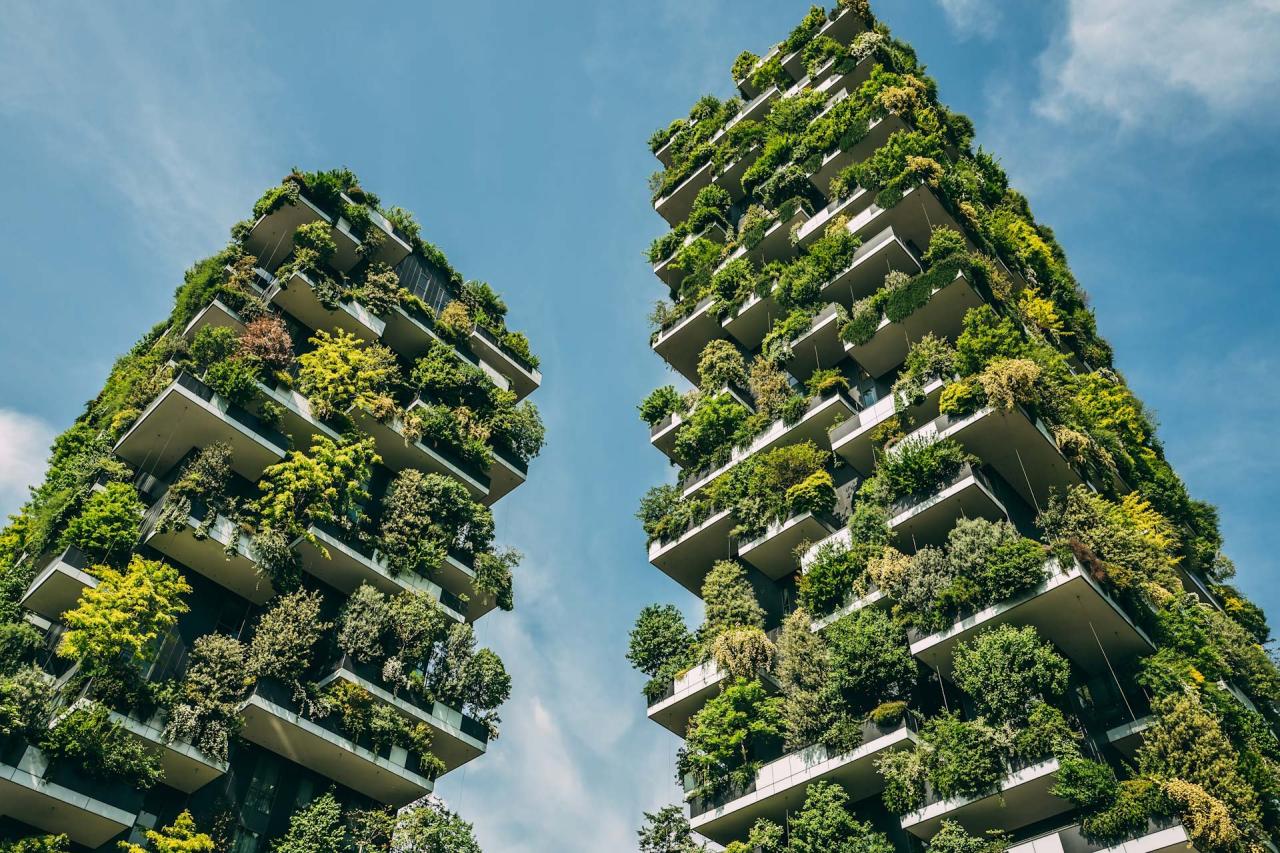
The frontier has moved beyond reducing harm to creating benefit.
-
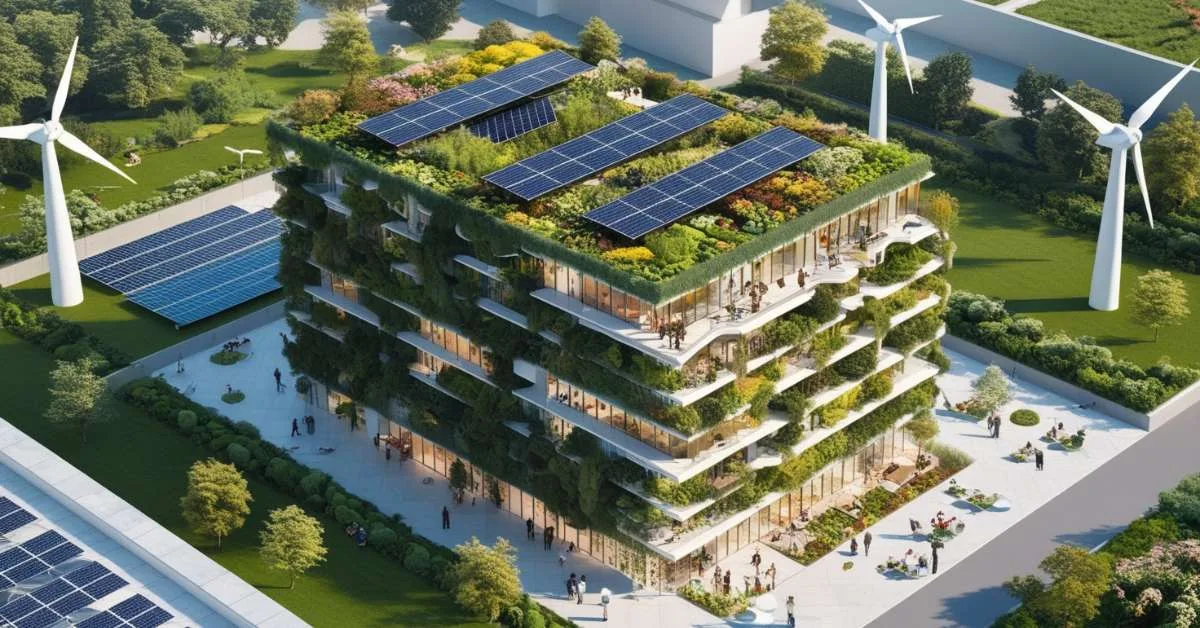
Positive Energy Buildings: Structures that generate more renewable energy than they consume.
-
Water-Positive Developments: Projects that collect, treat, and return more water to ecosystems than they use.
-
Biodiversity Net Gain: Designs that increase habitat and species richness compared to pre-development conditions.
C. Technological Enablers of Authentic Sustainability
Advanced technologies provide the tools to deliver and verify genuine environmental performance.
C.1. Performance Modeling and Simulation
Digital tools enable accurate prediction and optimization of building performance.
-
Computational Fluid Dynamics: Sophisticated modeling of air movement, temperature distribution, and comfort conditions.
-
Daylight and Solar Analysis: Precise prediction of natural lighting levels and solar heat gain to optimize building orientation and fenestration.
-
Energy Modeling: Whole-building energy simulation that accounts for complex interactions between systems, occupancy patterns, and local climate.
C.2. Building Performance Monitoring
Technology enables continuous verification of sustainability claims.
-
IoT Sensor Networks: Dense arrays of sensors that monitor energy flows, indoor environmental quality, and system performance in real-time.
-
Building Analytics Platforms: Software that processes performance data to identify optimization opportunities and maintenance needs.
-
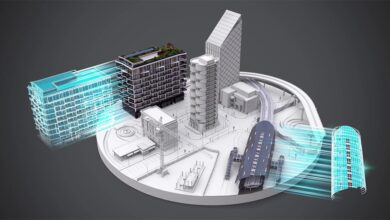
Digital Twin Technology: Virtual replicas of buildings that enable ongoing performance optimization throughout their lifecycle.
C.3. Material Science Innovations
New materials enable previously impossible sustainability achievements.
-
Carbon-Storing Materials: Products like cross-laminated timber and hempcrete that sequester atmospheric carbon.
-
Advanced Insulation Systems: High-performance materials that dramatically reduce heating and cooling demands.
-
Self-Healing and Adaptive Materials: Substances that extend building lifespan and reduce maintenance requirements through inherent durability.
D. Implementation Across Building Typologies and Scales
Authentic sustainability principles are being successfully applied across diverse project types.
D.1. Commercial and Office Buildings
Workplace projects demonstrate that sustainability and business objectives align.
-
The Bullitt Center, Seattle: Dubbed the “greenest commercial building in the world,” this structure generates its own electricity, captures and treats its own water, and processes its own waste.
-
Pixel Building, Melbourne: This office building achieves perfect scores in multiple green rating systems while providing a highly productive work environment.
-
VanDusen Botanical Garden Visitor Centre, Vancouver: This facility mimics natural systems while providing beautiful public spaces and educational opportunities.
D.2. Residential Developments
Housing projects prove sustainability enhances quality of life.
-
One Central Park, Sydney: This mixed-use development features vertical gardens, water recycling, and embedded power generation while creating desirable urban living.
-
Brock Commons Tallwood House, Vancouver: This student residence demonstrates mass timber’s potential for carbon-negative tall buildings.
-
C Beddington Zero Energy Development, London: One of the first large-scale carbon-neutral communities, providing affordable housing with minimal environmental impact.
D.3. Institutional and Cultural Buildings
Public buildings lead by example in sustainable design.
-
The California Academy of Sciences, San Francisco: Renzo Piano’s design incorporates a living roof, natural ventilation, and extensive sustainable systems while housing world-class research and exhibition facilities.
-
The Joyce Centre for Partnership & Innovation, Hamilton: Canada’s first net-zero carbon institutional building demonstrates how educational facilities can lead sustainability efforts.
-
The National Museum of Qatar, Doha: Jean Nouvel’s design responds to the extreme desert climate while creating a culturally significant landmark.
E. Challenges in Delivering Authentic Sustainability
Despite progress, significant barriers remain to widespread adoption of genuine sustainable design.
E.1. Economic Considerations and Value Recognition
The financial case for deep sustainability requires new assessment methods.
-
Lifecycle Cost Analysis: Demonstrating how higher initial investments yield long-term savings through reduced operating costs and extended building lifespan.
-
Health and Productivity Benefits: Quantifying how sustainable design improves occupant health, cognitive function, and productivity.
-
Risk Mitigation Value: Accounting for reduced regulatory, energy price, and climate-related risks in sustainable buildings.
E.2. Regulatory and Industry Practice Barriers
Existing systems often impede rather than support authentic sustainability.
-
First-Cost Bias: Procurement processes that prioritize initial cost over long-term value and performance.
-
Fragmented Project Delivery: Traditional design-bid-build approaches that hinder the integrated design essential for high performance.
-
Outdated Codes and Standards: Regulations that lag behind technological innovation and emerging best practices.
E.3. Technical and Knowledge Gaps
Delivering high-performance buildings requires specialized expertise.
-
Integrated Design Process: The need for architects, engineers, and builders to collaborate from project inception rather than sequentially.
-
Performance Gap Management: Addressing the common discrepancy between predicted and actual building performance.
-
Continuous Innovation Demands: The challenge of keeping pace with rapidly evolving technologies, materials, and methodologies.
F. Future Directions Beyond Current Practice
Sustainable architecture continues to evolve toward increasingly ambitious environmental goals.
F.1. Regenerative and Positive Impact Design
The frontier is shifting from minimizing harm to creating benefit.
-
Buildings as Ecological Contributors: Structures that actively enhance local ecosystems through habitat creation, water purification, and microclimate improvement.
-
Community Wellbeing Focus: Designs that measurably improve public health, social cohesion, and economic opportunity.
-
Cultural and Bioregional Expression: Architecture that responds to local climate, materials, and cultural practices while meeting global sustainability standards.
F.2. Circular Economy Integration
Transforming buildings from disposable products to reusable resource banks.
-
Design for Disassembly: Creating buildings that can be easily deconstructed and their components reused or recycled.
-
Material Passports and Digital Twins: Comprehensive documentation of all building materials to facilitate future reuse.
-
Buildings as Material Banks: Conceptualizing structures as temporary repositories of valuable materials rather than permanent constructions.
F.3. Climate Resilience and Adaptation
Preparing buildings for changing environmental conditions.
-
Passive Survivability: Ensuring buildings maintain safe conditions during power outages or extreme weather events.
-
Climate-Responsive Design: Creating structures that perform well across a range of potential future climate scenarios.
-
Adaptive Capacity: Designing buildings that can be easily modified as needs and conditions change.
Conclusion: The New Imperative of Authentic Sustainability
The movement of sustainable architecture beyond greenwashing represents a critical maturation of both the profession and broader societal understanding of our relationship with the natural world. This evolution from superficial environmental claims to verified performance reflects a growing recognition that genuine sustainability requires rigorous methodology, transparent accountability, and a fundamental rethinking of how buildings interact with ecological systems. The most compelling contemporary sustainable projects demonstrate that environmental responsibility need not compromise other design values—that the most sustainable buildings are often also the most beautiful, the most healthy, and the most economically viable over their full lifecycle. As climate urgency intensifies and greenwashing becomes increasingly unacceptable to clients, communities, and regulators, authentic sustainability is transitioning from leading-edge practice to essential professional standard. In this context, the architects and projects pioneering this transformation are establishing not just new technical approaches but a new ethical foundation for architecture—one that measures success not merely by aesthetic innovation or functional efficiency, but by demonstrable contribution to planetary health and human flourishing. The future of architecture lies not in buildings that simply look sustainable, but in those that genuinely are—creating a built environment that serves as a regenerative force within the broader ecological systems that sustain all life.
Tags: sustainable architecture, green building, environmental design, carbon neutral, regenerative design, sustainable materials, building performance, green certification, ecological architecture, climate-responsive design, sustainable construction, environmental impact