Virtual Reality Transforms Architectural Client Experience

The Immersive Design Revolution
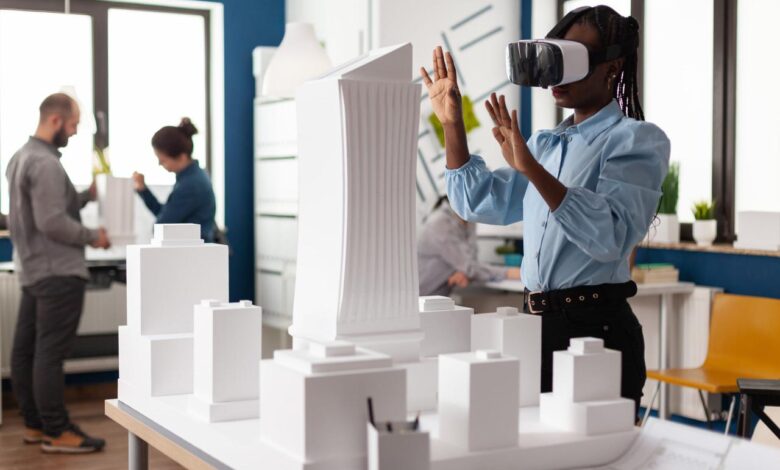
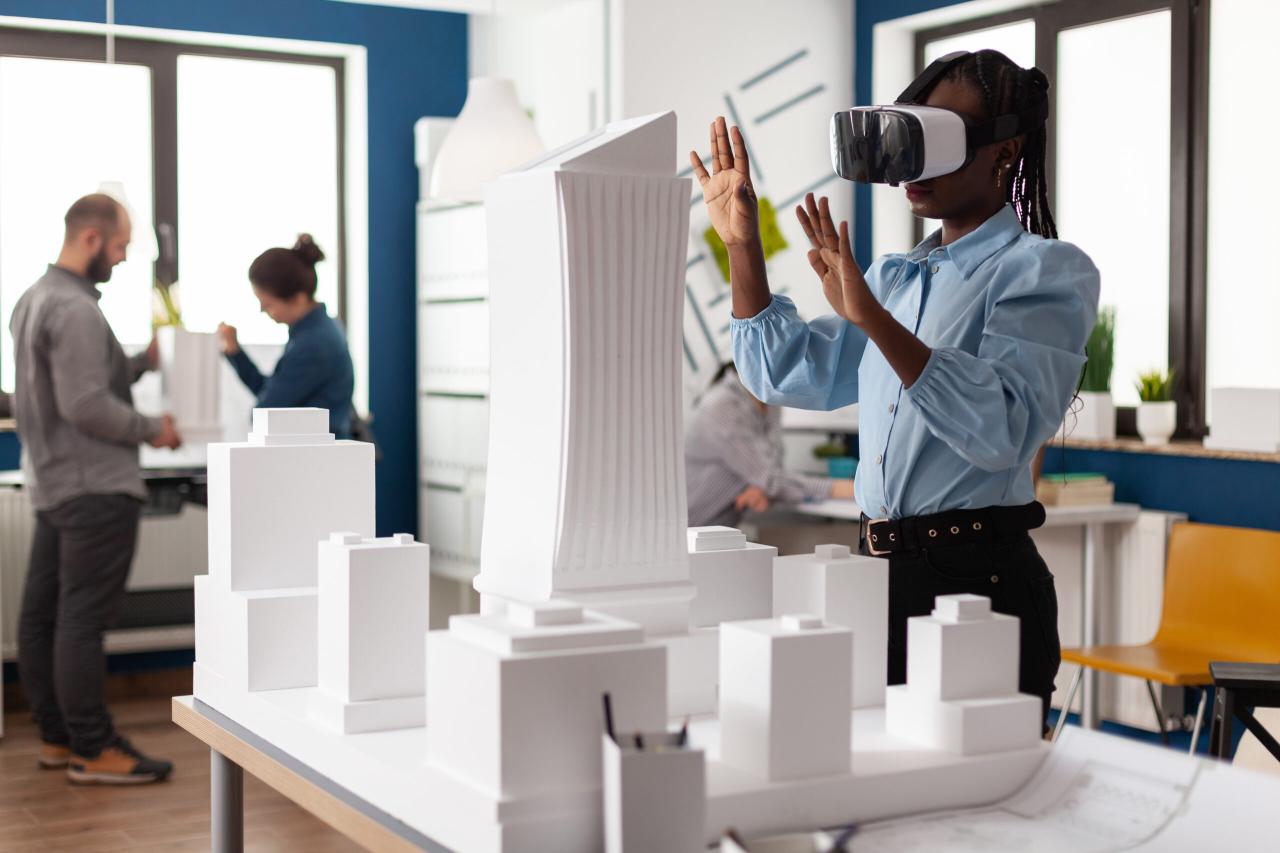
Virtual reality technology has fundamentally transformed how architects communicate with clients, moving beyond static renderings and physical models into fully immersive experiential environments. This technological revolution represents a paradigm shift in architectural practice, enabling clients to truly understand and experience architectural spaces before construction begins. VR has evolved from a novel visualization tool to an essential component of the design process, facilitating clearer communication, reducing costly changes, and creating more collaborative client-architect relationships. From walking through unbuilt homes to experiencing the acoustic properties of concert halls, virtual reality allows clients to make more informed decisions while empowering architects to convey spatial qualities that traditional media cannot capture. This comprehensive analysis explores how VR is reshaping client interactions in architecture, the technologies enabling this transformation, implementation strategies across project types, and the profound implications for design quality, client satisfaction, and architectural business models.
A. The VR Transformation of Architectural Communication
Virtual reality has addressed longstanding challenges in how architects convey spatial experiences to clients.
A.1. Bridging the Imagination Gap
Traditional architectural representations require significant interpretation that often leads to misunderstandings.
-
Spatial Comprehension Enhancement: VR allows clients with varying levels of spatial intelligence to understand proportions, scales, and relationships between spaces in ways that drawings and even physical models cannot convey.
-
Experiential Quality Communication: Aspects like daylight patterns, visual connections, and circulation flows become immediately apparent in VR, enabling clients to experience these qualities rather than just being told about them.
-
Emotional Response Generation: Walking through a virtual building generates genuine emotional reactions that help clients understand how they will feel in the actual space, leading to more confident decision-making.
A.2. Real-Time Design Iteration and Collaboration
VR has transformed the design process from sequential to interactive.
-
Instant Design Modification: Clients can request changes during VR sessions and immediately experience the results, creating a truly collaborative design process rather than the traditional cycle of presentation, feedback, and revision.
-
Comparative Analysis Capability: Multiple design options can be experienced sequentially or even simultaneously in split-screen VR, allowing clients to make direct comparisons between alternatives.
-
Stakeholder Alignment: For projects with multiple decision-makers, VR creates a shared understanding that aligns stakeholders more effectively than individual review of drawings.
A.3. Error Reduction and Cost Savings
Early spatial understanding prevents expensive changes during construction.
-
Design Flaw Identification: Clients often identify functional issues in VR that might have gone unnoticed until construction was complete, such as awkward circulation, insufficient storage, or problematic sightlines.
-
Furniture and Fixture Coordination: Experiencing spaces at full scale helps clients select appropriately sized furniture and equipment before purchase and installation.
-
Building System Integration Review: Complex intersections of structural, mechanical, and architectural elements can be reviewed in VR to identify conflicts before they become construction issues.
B. VR Technology Ecosystem in Architectural Practice
A range of technologies and software platforms enable VR implementation across architectural firm sizes and specialties.
B.1. Hardware Platforms and Display Technologies
The VR experience varies significantly based on hardware selection.
-
Desktop VR Systems: High-end systems like Varjo and HP Reverb provide photorealistic visuals suitable for detailed material and lighting studies, though requiring significant computing power and technical setup.
-
Standalone VR Headsets: Devices like Meta Quest Pro and HTC Vive Focus 3 offer cord-free mobility and ease of use, ideal for client presentations and collaborative sessions without complex technical requirements.
-
Mobile VR Solutions: Smartphone-based systems provide an accessible entry point for basic spatial understanding, though with limitations in visual quality and interactivity.
B.2. Software Platforms and Workflow Integration
VR implementation requires software that fits within existing design workflows.
-
Real-Time Rendering Engines: Platforms like Unreal Engine, Unity, and Twinmotion enable architects to create immersive experiences directly from their BIM or CAD models with increasingly automated workflows.
-
BIM-Integrated VR: Tools like Enscape and IrisVR plug directly into Revit, ArchiCAD, and SketchUp, allowing near-instant VR creation from working models without export or remodeling.
-
Collaborative VR Platforms: Systems like The Wild and InsiteVR enable multiple users to inhabit and discuss the same virtual space simultaneously, regardless of physical location.
B.3. Input Devices and Interaction Methods
How users navigate and interact with virtual environments significantly impacts the experience.
-
Controller-Based Navigation: Standard VR controllers allow teleportation, flying, and object manipulation, providing flexibility but sometimes causing disorientation for new users.
-
Natural Movement Systems: Omnidirectional treadmills and room-scale tracking enable more intuitive physical navigation that closely mimics real walking, though requiring more space and equipment.
-
Haptic Feedback Integration: Advanced systems provide tactile feedback when touching virtual surfaces, significantly enhancing the sense of materiality and physical presence.
C. Implementation Across Project Types and Scales
VR implementation strategies vary significantly based on project type, budget, and client needs.
C.1. Residential Architecture Applications
VR has proven particularly transformative for residential projects where personal experience is paramount.
-
Custom Home Design: Clients can experience their future homes at full scale, making confident decisions about room sizes, window placements, and material selections that align with their lifestyle.
-
Multi-Unit Development Sales: Developers use VR to market units before construction, allowing buyers to experience exact views, spatial relationships, and finish options rather than relying on generic show units.
-
Renovation and Addition Planning: Homeowners can understand how proposed changes will impact existing spaces, reducing anxiety about major renovations.
C.2. Commercial and Institutional Projects
Complex commercial projects benefit from VR’s ability to coordinate multiple stakeholders.
-
Workplace Design: Corporate clients can evaluate how office layouts support collaboration, focus work, and company culture before committing to construction.
-
Retail and Hospitality Planning: Store and restaurant owners can test customer flow, merchandise placement, and atmospheric qualities that directly impact business success.
-
Healthcare Facility Design: Medical staff can provide feedback on workflow efficiency, patient experience, and equipment placement in clinically accurate virtual environments.
C.3. Large-Scale and Urban Design
VR enables experiential understanding of projects at urban scale.
-
Master Planning Visualization: Developers and municipalities can experience entire neighborhoods before construction, evaluating pedestrian experience, public spaces, and massing relationships.
-
Infrastructure Project Communication: Complex civil projects can be made understandable to non-technical stakeholders through immersive visualization of bridges, transit systems, and public works.
-
Public Consultation Enhancement: Community members can experience and provide informed feedback on proposed developments rather than reacting to abstract plans.
D. Implementation Challenges and Strategic Solutions
Despite its benefits, VR implementation presents significant challenges that require strategic approaches.
D.1. Technical and Operational Hurdles
The technical complexity of VR systems can be daunting for architectural practices.
-
Hardware and Software Costs: High-quality VR requires significant investment in computers, headsets, and software licenses that must be justified through improved efficiency and client satisfaction.
-
Workflow Integration: Incorporating VR into established design processes requires rethinking how projects are structured, presented, and documented.
-
Content Creation Demands: Creating compelling VR experiences requires additional skills and time beyond traditional architectural visualization.
D.2. User Experience and Accessibility Considerations
VR experiences must be carefully designed to be effective rather than overwhelming.
-
Motion Sickness Management: Navigation methods, frame rates, and visual stability must be optimized to prevent discomfort, particularly for first-time users.
-
Interface Design for Non-Technical Users: Client VR experiences must be intuitive enough for those unfamiliar with gaming or VR conventions.
-
Accessibility Accommodation: VR systems must accommodate users with varying physical abilities, visual impairments, or other limitations.
D.3. Business Model and Service Integration
Effectively leveraging VR requires rethinking architectural service offerings.
-
Service Tier Development: Firms are creating tiered service offerings that include different levels of VR visualization based on project needs and client budgets.
-
Value Demonstration: Architects must clearly communicate how VR improves outcomes and reduces risks to justify associated costs.
-
Intellectual Property Management: VR content raises new questions about ownership, usage rights, and archival preservation.
E. Future Directions and Emerging Possibilities
VR technology continues to evolve with exciting implications for architectural practice.
E.1. Technological Advancements
Near-term developments will further enhance VR’s capabilities.
-
Photorealistic Real-Time Rendering: Improving visual quality to near-photographic levels will make VR experiences even more convincing and decision-reliable.
-
Multi-Sensory Integration: Adding haptic, thermal, and olfactory feedback will create more comprehensive virtual experiences.
-
Wireless and Lightweight Hardware: More comfortable, accessible hardware will make VR sessions longer and more productive.
E.2. Expanded Applications and Integration
VR is expanding beyond visualization into other aspects of architectural practice.
-
Construction Sequencing Simulation: Contractors and clients can visualize the construction process, identifying logistical challenges before they occur on site.
-
Building Performance Visualization: Complex data from energy, daylight, and acoustic analysis can be experienced intuitively in VR rather than viewed as abstract numbers.
-
Facility Management Integration: VR models used during design can become operational tools for building management and maintenance.
E.3. Transformative Business Implications
VR is changing how architectural services are delivered and valued.
-
Remote Client Services: High-quality VR enables architects to serve distant clients effectively without constant travel.
-
New Revenue Streams: Some firms are developing VR visualization as a standalone service for other architects or developers.
-
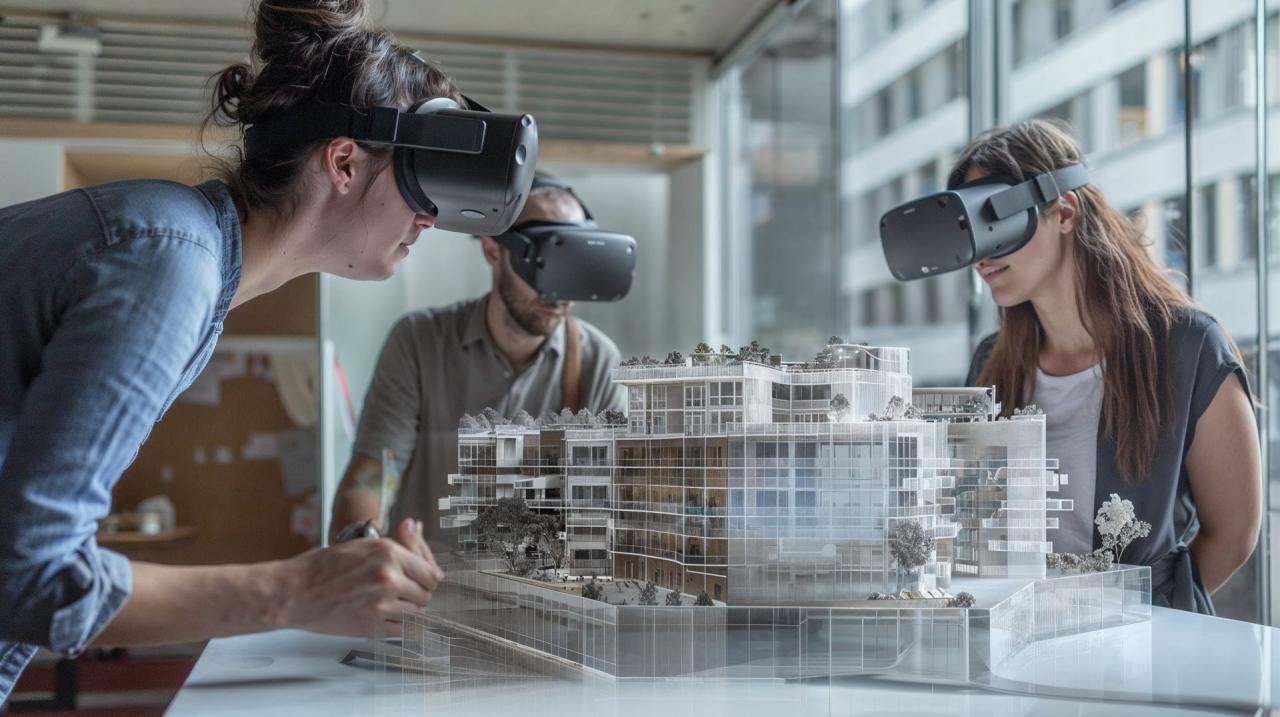
Design Quality Enhancement: The ability to thoroughly experience designs before construction inevitably leads to better-resolved architecture.
Conclusion: The New Reality of Architectural Practice
The integration of virtual reality into architectural client interactions represents far more than a technological upgrade—it signifies a fundamental transformation in how architecture is conceived, communicated, and experienced. VR has bridged the centuries-old gap between architectural representation and lived experience, enabling clients to become true collaborators in the design process rather than passive recipients of expert decisions. The most successful architectural practices are those that have embraced VR not as a mere presentation tool but as an integral component of their design methodology, creating more iterative, responsive, and client-centered processes. As VR technology continues to advance and become more accessible, it will inevitably transition from competitive advantage to standard practice, reshaping client expectations and architectural deliverables. In this future, the question won’t be whether to use VR, but how to most effectively leverage its unique capabilities to create architecture that is more thoughtful, more responsive to human experience, and more successfully aligned with client vision and needs. The virtual has become an essential pathway to the physical, and architects who master this new reality will lead the profession into its next chapter.
Tags: virtual reality architecture, VR design, architectural visualization, client experience, immersive design, architectural technology, 3D visualization, design communication, BIM VR, architectural presentation, virtual walkthrough, real-time rendering