Virtual Reality Transforms Architectural Practice

The Dawn of Immersive Architectural Design
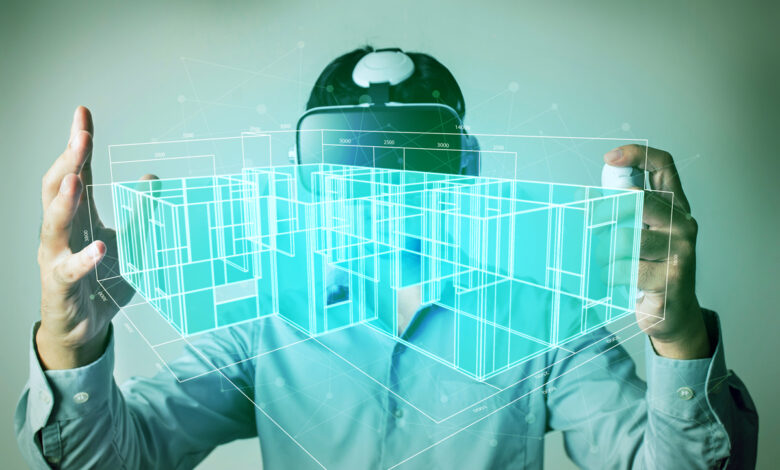
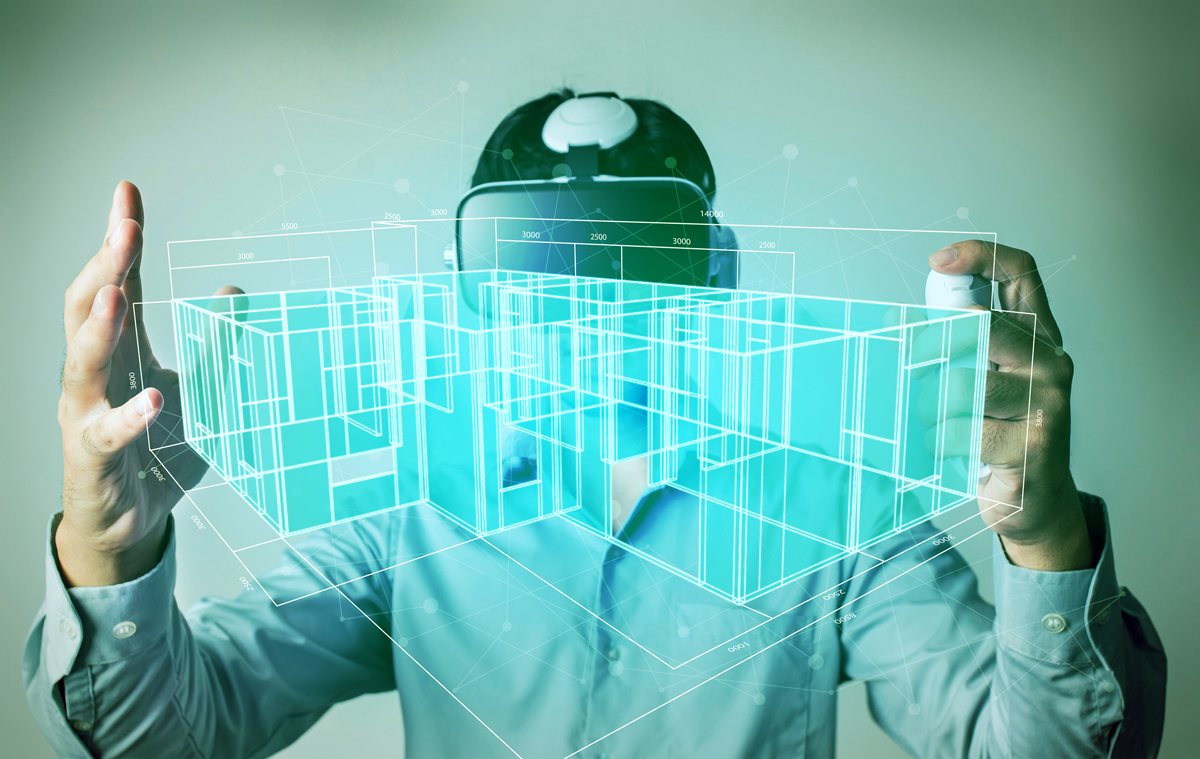
The convergence of architecture and virtual reality represents one of the most profound technological transformations in the history of building design. No longer confined to two-dimensional drawings or even sophisticated 3D models, architects now step inside their creations before the foundation is ever laid. This revolutionary integration is reshaping every phase of architectural practice, from initial concept development to client presentations and construction coordination. Virtual reality has evolved from a novel visualization tool to an essential component of the design process, enabling unprecedented levels of understanding, communication, and innovation. As we stand at this technological crossroads, the marriage of architectural expertise and immersive digital environments is not just enhancing traditional practices—it’s fundamentally redefining what’s possible in creating spaces that serve human needs while responding to complex environmental challenges.
A. The Evolution of Architectural Visualization
The journey from traditional drawing boards to immersive virtual environments represents a quantum leap in how architects communicate and develop ideas.
A. From Hand Drafting to Digital Immersion
The progression of architectural representation has been dramatic:
-
Manual Drafting Era: For centuries, architects communicated designs through painstaking hand drawings, with perspectives and renderings requiring artistic skill and significant time investment.
-
Computer-Aided Design Revolution: The 1980s introduced CAD systems that accelerated drafting but maintained the paradigm of flat representation.
-
3D Modeling Advancement: Software like 3D Studio and SketchUp added depth and dimension but still required mental translation from screen to reality.
-
Real-Time Rendering Breakthrough: Engines like Unreal Engine and Unity enabled instantaneous visualization changes but remained screen-bound.
-
Virtual Reality Integration: Today’s VR systems allow architects and clients to inhabit spaces at full scale during the earliest design phases.
B. Hardware Evolution for Architectural VR
The tools enabling architectural VR have matured dramatically:
-
Headset Technology: From clunky, low-resolution prototypes to sleek headsets with eye-tracking and 4K resolution per eye.
-
Controller Development: Evolution from simple pointers to sophisticated hand-tracking that captures natural gestures and movements.
-
Haptic Feedback Integration: Emerging technologies that provide tactile sensation, allowing users to “feel” virtual materials and surfaces.
B. Core Applications Transforming Architectural Practice
Virtual reality is revolutionizing multiple aspects of architectural work, from education to construction.
A. Design Development and Spatial Validation
VR enables unprecedented design exploration and verification:
-
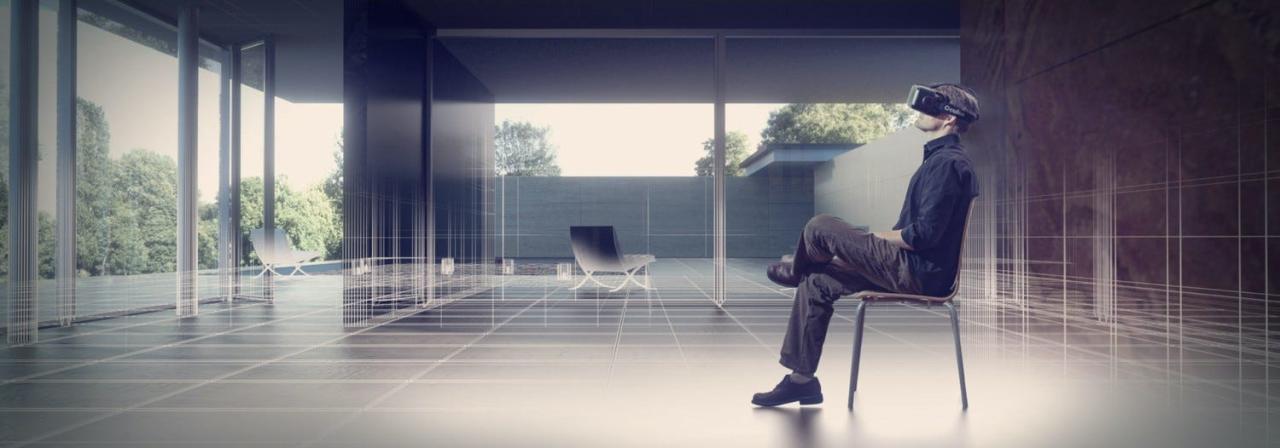
Human Scale Understanding: Architects experience spaces at actual scale, identifying proportion issues that might go unnoticed on screen.
-
Circulation Flow Testing: Designers can naturally walk through virtual buildings to evaluate movement patterns and wayfinding.
-
Detail Resolution: Complex connections and custom elements can be examined from any angle in immersive 3D.
B. Client Presentation and Stakeholder Engagement
VR transforms how architects communicate with non-technical audiences:
-
Emotional Connection: Clients experience emotional responses to spaces rather than just intellectual understanding of plans.
-
Instant Modification: Real-time changes during VR sessions allow immediate feedback incorporation.
-
Comparative Analysis: Multiple design options can be experienced sequentially for informed decision-making.
C. Construction Planning and Coordination
VR prevents costly errors before they reach the construction site:
-
Clash Detection: Contractors and subcontractors identify system conflicts in immersive environments.
-
Construction Sequencing: Virtual walkthroughs of construction phases improve scheduling and safety planning.
-
Prefabrication Verification: Complex prefabricated elements can be validated in their intended context.
C. Technological Framework for Architectural VR
Successful implementation requires understanding the complete technological ecosystem.
A. Software Platforms and Workflows
The VR landscape offers multiple pathways for architectural integration:
-
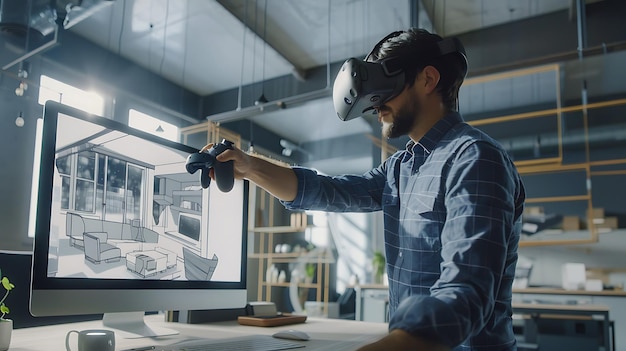
BIM Integration: Direct VR export from Revit, ArchiCAD, and other BIM platforms maintains data-rich models.
-
Specialized Architectural VR: Platforms like IrisVR and Enscape offer optimized workflows for architectural visualization.
-
Game Engine Power: Unreal Engine and Unity provide maximum flexibility and visual quality for complex projects.
B. Hardware Requirements and Considerations
Choosing the right hardware depends on project needs and firm size:
-
Standalone vs. Tethered Systems: Balancing mobility against rendering power and complexity.
-
Collaborative Setup: Multi-user VR environments requiring synchronized hardware and network infrastructure.
-
Mobile Alternatives: Smartphone-based VR solutions for client presentations and site use.
C. Content Creation Pipeline
Efficient workflow from model to immersive experience:
-
Model Optimization: Preparing architectural models for real-time performance without sacrificing quality.
-
Material and Lighting: Creating physically accurate representations that match intended real-world conditions.
-
Interaction Design: Programming meaningful user interactions beyond simple navigation.
D. Transformative Benefits Across Project Lifecycles
The implementation of VR delivers measurable advantages throughout architectural projects.
A. Design Phase Advantages
Early VR integration improves fundamental design decisions:
-
Reduced Design Errors: Spatial conflicts and scale issues are identified when changes are least costly.
-
Enhanced Creativity: Architects experiment more freely when consequences are immediately visible but easily reversed.
-
Stakeholder Alignment: Clients, consultants, and contractors develop shared understanding from project inception.
B. Client Relationship Improvements
VR transforms client-architect dynamics:
-
Confidence Building: Clients develop trust through clear understanding of proposed designs.
-
Engagement Enhancement: The excitement of VR experiences increases client involvement and enthusiasm.
-
Decision Acceleration: Reduced ambiguity leads to faster approvals and fewer redesign cycles.
C. Project Outcome Enhancements
The ultimate measure lies in improved built results:
-
Budget Adherence: Fewer change orders and construction surprises keep projects financially on track.
-
Schedule Compliance: Early problem identification prevents construction delays.
-
Quality Elevation: Comprehensive pre-construction understanding enables higher execution standards.
E. Case Studies: VR in Architectural Practice
Real-world examples demonstrate VR’s transformative impact across project types and scales.
A. Foster + Partners’ VR Implementation
The global firm has integrated VR across their diverse portfolio:
-
Spacecraft Interior Design: VR enabled NASA collaboration on crew habitat design where physical mockups were impractical.
-
Airport Terminal Planning: Complex passenger flow analysis in immersive environments improved operational efficiency.
-
Cultural Project Development: Museum designs evaluated for both curatorial needs and visitor experience.
B. Zaha Hadid Architects’ Computational VR
The firm’s parametric designs benefit particularly from VR visualization:
-
Complex Geometry Validation: Intricate curved surfaces and unusual spatial relationships are verified in immersive scale.
-
Materiality Studies: Virtual material applications inform decisions about expensive custom fabrications.
-
Lighting Simulation: Natural and artificial lighting effects are evaluated in real-time VR.
C. Local Firm Adoption Stories
Small and medium practices demonstrate accessible VR implementation:
-
Residential Design Enhancement: Custom home clients experience spaces before construction begins.
-
Historic Preservation: VR reconstructions of damaged or lost historical elements.
-
Community Engagement: Public projects presented through VR at town meetings and open houses.
F. Implementation Challenges and Solutions
Despite clear benefits, VR adoption faces significant hurdles that require strategic approaches.
A. Technical and Financial Barriers
Practical obstacles to implementation:
-
Hardware Costs: High-quality VR systems represent significant investment for smaller firms.
-
Computing Requirements: Powerful workstations needed for complex project visualization.
-
Software Learning Curve: Staff training requires time and temporary productivity reduction.
B. Human Factors and Adaptation
Psychological and practical user considerations:
-
Motion Sickness: Some users experience discomfort that requires careful management.
-
Technology Resistance: Team members may resist changing established workflows.
-
Accessibility Concerns: Ensuring VR experiences accommodate users with different physical abilities.
C. Workflow Integration Challenges
Incorporating VR into established processes:
-
Model Preparation Time: Optimizing architectural models for VR requires additional steps.
-
Version Control: Managing multiple iterations between BIM and VR environments.
-
Quality Standards: Maintaining consistent visual and technical quality across presentations.
G. Future Directions and Emerging Possibilities
The architecture-VR relationship continues evolving toward increasingly sophisticated integration.
A. Technology Convergence Trends
Multiple technologies are combining to enhance architectural VR:
-
Augmented Reality Integration: Overlaying virtual designs onto physical sites through AR headsets.
-
Haptic Feedback Development: Increasingly sophisticated tactile simulation for material and texture evaluation.
-
Biometric Response Tracking: Measuring user physiological responses to optimize designs for comfort and wellbeing.
B. Artificial Intelligence Enhancement
AI transforms VR from visualization tool to design partner:
-
Generative Design VR: AI-generated options experienced and evaluated in immersive environments.
-
Predictive User Behavior: Simulation of how people will naturally use and move through spaces.
-
Automated Model Optimization: AI handling technical preparation for VR presentation.
C. Industry-Wide Transformation
VR’s influence extends beyond individual firms to reshape architectural practice:
-
Remote Collaboration: Global design teams working together in shared virtual spaces.
-
Digital Twin Integration: VR experiences connected to real-time building performance data.
-
New Service Models: Architecture firms offering VR-based consulting beyond traditional services.
Conclusion: The New Architectural Reality
The integration of virtual reality into architectural practice represents far more than another technological tool—it constitutes a fundamental shift in how we conceive, communicate, and comprehend the built environment. This technology has democratized spatial understanding, allowing clients, communities, and collaborators to participate meaningfully in the creation of their environments. For architects, VR has become an indispensable extension of creative thought, enabling the evaluation of designs through embodied experience rather than abstract representation.
The most successful architectural practices of the coming decade will be those that fully embrace this immersive paradigm, not as a replacement for traditional skills and knowledge, but as a powerful amplifier of architectural intelligence. They will recognize that the value of VR lies not in technological spectacle but in its capacity to forge deeper connections between people and the spaces they inhabit—before those spaces ever exist in physical form.
As the technology continues advancing toward greater accessibility, realism, and integration with other digital tools, we stand at the threshold of a new era in architecture. An era where every stakeholder can truly understand and contribute to the creation of their environment. An era where design decisions are informed by comprehensive pre-construction experience. And ultimately, an era where better understanding leads to better architecture—more humane, more functional, and more beautiful spaces that enhance lives while respecting our planet. The virtual has become an essential pathway to improving the real.
Tags: Virtual Reality, Architectural Visualization, BIM Technology, Design Innovation, Immersive Technology, Architectural Practice, Digital Transformation, Client Engagement, Construction Planning, Future Architecture